1. Specifications Comparison
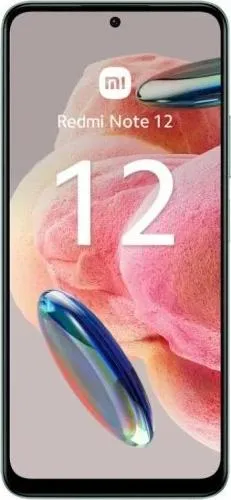
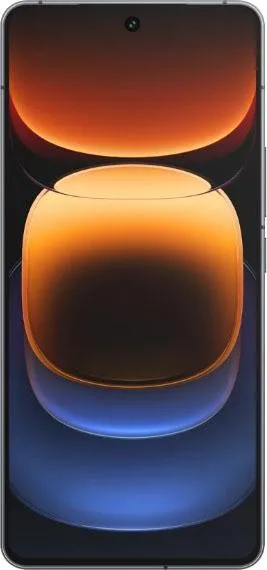
| Feature | Xiaomi Redmi Note 12 4G | vivo iQOO 12 | Practical Impact |
|---|---|---|---|
| Design | |||
| Dimensions (mm) | 165.7 x 76 x 7.9 | 163.2 x 75.9 x 8.1 | iQOO 12 is slightly shorter and narrower, but a bit thicker. Negligible difference in everyday use. |
| Weight (g) | 183.5 | 198.5 | Redmi Note 12 is noticeably lighter, reducing hand fatigue during extended use. |
| Display | |||
| Display Type | AMOLED, 120Hz | LTPO AMOLED, 144Hz | iQOO 12's LTPO panel allows for dynamic refresh rate adjustment, saving battery. Its higher peak brightness (3000 nits vs 1200 nits) ensures better outdoor visibility. |
| Display Size (inches) | 6.67 | 6.78 | iQOO 12 has a slightly larger display, offering a more immersive experience for media consumption. |
| Resolution | 1080 x 2400 | 1260 x 2800 | iQOO 12 has a sharper display with higher pixel density (453 ppi vs 395 ppi), resulting in crisper text and images. |
| Performance | |||
| Chipset | Snapdragon 685 (6nm) | Snapdragon 8 Gen 3 (4nm) | iQOO 12 boasts a significantly more powerful processor, enabling smoother multitasking, faster app loading, and superior gaming performance. |
| CPU | Octa-core (4x2.8 GHz Cortex-A73 & 4x1.9 GHz Cortex-A53) | Octa-core (1x3.3 GHz Cortex-X4 & 3x3.2 GHz Cortex-A720 & 2x3.0 GHz Cortex-A720 & 2x2.3 GHz Cortex-A520) | The difference in CPU architecture and clock speeds translates to a substantial performance gap in favor of the iQOO 12. |
| GPU | Adreno 610 | Adreno 750 | iQOO 12's superior GPU delivers significantly better graphics performance for demanding games and applications. |
| RAM | 4GB/6GB/8GB | 12GB/16GB | iQOO 12 offers substantially more RAM, enabling seamless multitasking and preventing app closures in the background. |
| Camera | |||
| Main Camera | 50MP | 50MP | While both have 50MP main sensors, the iQOO 12 uses a larger sensor (1/1.3" vs 1/2.76") with a wider aperture (f/1.69 vs f/1.8), potentially capturing more light and detail, especially in low-light conditions. |
| Video Recording | 1080p@30fps | Up to 8K@30fps | iQOO 12 offers vastly superior video recording capabilities, including higher resolution (up to 8K) and frame rates, along with Electronic Image Stabilization (EIS). |
| Battery | |||
| Capacity | 5000 mAh | 5000 mAh | Similar battery capacity. |
| Fast Charging | 33W | 120W | iQOO 12 supports significantly faster charging, drastically reducing charging times. |
2. Key Differences Analysis
Xiaomi Redmi Note 12 4G Advantages:
- Lighter and more affordable: Easier to handle and budget-friendly.
vivo iQOO 12 Advantages:
- Significantly more powerful: Superior performance for demanding tasks and gaming.
- Better display: Higher resolution, refresh rate, brightness, and LTPO technology.
- Superior camera system: Larger sensor, wider aperture, better low-light performance, and advanced video recording capabilities.
- Much faster charging: 120W fast charging drastically reduces downtime.
3. User Profiles & Recommendations
Redmi Note 12 4G: Budget-conscious users who prioritize basic functionality, light weight, and affordability for everyday tasks like calling, texting, browsing, and social media.
vivo iQOO 12: Users who demand top-tier performance, a premium display, advanced camera features, and fast charging. Ideal for mobile gamers, content creators, and power users.
4. Decision Framework
Key Questions:
- What is your budget? The Redmi Note 12 is significantly more affordable.
- What are your primary use cases? For basic tasks, the Redmi Note 12 suffices. For demanding tasks and gaming, the iQOO 12 is necessary.
- How important are camera and display quality? The iQOO 12 offers a substantial upgrade in both areas.
My Choice: vivo iQOO 12
While the Redmi Note 12 4G offers excellent value for its price, the vivo iQOO 12 is the clear winner for me. Its superior performance, stunning display, advanced camera system, and incredibly fast charging outweigh the higher price and slightly heavier weight. The Snapdragon 8 Gen 3 and ample RAM ensure a future-proof device capable of handling anything I throw at it. The LTPO AMOLED display with a 144Hz refresh rate promises a buttery smooth and visually immersive experience. As someone who values performance and cutting-edge technology, the iQOO 12 aligns perfectly with my needs. The significantly faster charging is a huge bonus, minimizing downtime. While the price difference is considerable, the iQOO 12's advancements justify the premium for a power user.
