1. Specifications Comparison
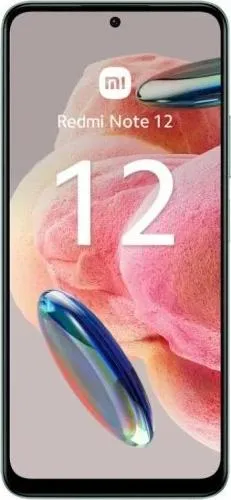
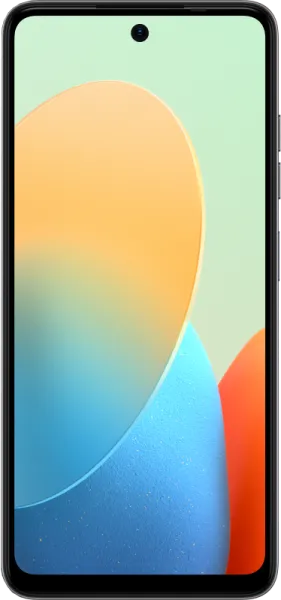
| Feature | Xiaomi Redmi Note 12 4G | Tecno Spark Go 2024 | Practical Impact |
|---|---|---|---|
| Design | |||
| Dimensions (mm) | 165.7 x 76 x 7.9 | 163.7 x 75.6 x 8.6 | Redmi is slightly thinner and taller. Spark Go might feel slightly bulkier. |
| Weight (g) | 183.5 | 0 (Missing data) | We cannot compare weight without the Spark Go's weight. |
| Display | |||
| Display Type | AMOLED, 120Hz | IPS LCD, 90Hz | Redmi offers significantly better contrast, colors, and potentially smoother scrolling thanks to AMOLED and higher refresh rate. Spark Go's LCD will be less vibrant and potentially show motion blur. |
| Resolution | 1080 x 2400 | 720 x 1612 | Redmi has a much sharper display, resulting in clearer text and images. Spark Go's display will appear pixelated in comparison. |
| PPI | 395 | 267 | Reinforces the sharpness difference; Redmi's display is significantly crisper. |
| Peak Brightness (nits) | 1200 | Missing data | Redmi's high peak brightness ensures better outdoor visibility. We cannot assess the Spark Go's outdoor performance without this data. |
| Performance | |||
| Chipset | Snapdragon 685 (6nm) | Unisoc T606 (12nm) | Redmi's Snapdragon chip generally offers better performance and efficiency due to its superior architecture and smaller manufacturing process node. |
| CPU | Octa-core (4x2.8 GHz Cortex-A73 & 4x1.9 GHz Cortex-A53) | Octa-core (2x1.6 GHz Cortex-A75 & 6x1.6 GHz Cortex-A55) | While Spark Go uses newer core designs (A75), Redmi's higher clock speeds on the performance cores (A73) likely result in faster overall performance. |
| GPU | Adreno 610 | Mali-G57 MP1 | Redmi's GPU is more powerful, leading to smoother gaming and faster graphics rendering. |
| RAM | 4GB (tested model) | 3/4GB (variant dependent) | The tested Redmi model has more RAM than the base Spark Go, contributing to better multitasking. However, a 4GB Spark Go variant exists. |
| Camera | |||
| Rear Camera | 50MP Main, 8MP Wide, 2MP Macro | 13MP Main, 0.1MP (Unknown) | Redmi offers a higher resolution main sensor, potentially capturing more detail. The purpose of Spark Go's 0.1MP sensor is unclear. Redmi also includes a dedicated wide-angle lens. |
| Front Camera | 13MP | 8MP | Redmi's selfie camera has a higher resolution. |
| Battery | |||
| Capacity | 5000 mAh | 5000 mAh | Similar battery capacity suggests comparable battery life, though actual usage will vary depending on other factors like display and chipset efficiency. |
| Fast Charging | 33W | 10W | Redmi charges significantly faster, minimizing downtime. |
2. Key Differences Analysis
Redmi Note 12 4G Advantages:
- Superior Display: AMOLED with 120Hz refresh rate offers vastly better visual quality and smoother scrolling.
- Better Performance: Snapdragon chipset and more RAM provide faster speeds and smoother multitasking.
- Stronger Camera System: Higher resolution sensors and a dedicated wide-angle lens offer greater versatility.
- Faster Charging: 33W fast charging significantly reduces charging times.
Tecno Spark Go 2024 Advantages:
- Potentially Lower Price: While pricing varies by region and RAM/storage configuration, the Spark Go is generally positioned as a more budget-friendly option.
3. User Profiles & Recommendations
Redmi Note 12 4G: Users who prioritize display quality, performance, camera capabilities, and faster charging. Suitable for gaming, media consumption, and general multitasking.
Tecno Spark Go 2024: Users on a tight budget who primarily need basic smartphone functionality. Suitable for calling, texting, browsing, and light social media use.
4. Decision Framework
Key Questions:
- What is your budget? The Spark Go is likely cheaper, while the Redmi Note 12 offers significantly better value if within budget.
- What are your primary smartphone uses? For demanding tasks, the Redmi is superior. For basic communication and light use, the Spark Go might suffice.
- How important is display quality? The Redmi's AMOLED display is a major advantage if visual quality is a priority.
Scenario-Based Recommendations:
- Limited Budget, Basic Use: Tecno Spark Go 2024
- Balanced Budget, Everyday Use: Redmi Note 12 4G
- Gaming and Media Consumption: Redmi Note 12 4G
My Choice: Xiaomi Redmi Note 12 4G
Reasoning: The Redmi Note 12 4G offers a significantly better user experience across the board. The superior display, performance, camera, and faster charging outweigh the potential price difference for most users. While the Spark Go might be acceptable for extremely budget-conscious buyers with basic needs, the Redmi provides much better value and longevity in the long run. The significant differences in display and performance alone make the Redmi a clear winner for me. A sharper, more vibrant display and smoother performance drastically improve daily usage, making the phone feel more responsive and enjoyable to use.
