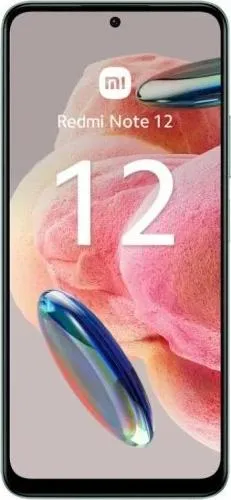
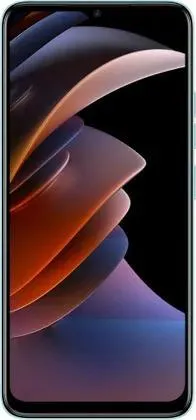
1. Specifications Comparison
| Feature | Xiaomi Redmi Note 12 4G | Tecno Spark 10 5G | Practical Impact |
|---|---|---|---|
| Design | |||
| Dimensions (mm) | 165.7 x 76 x 7.9 | 164.4 x 75.5 x 8.4 | Redmi is slightly taller and thinner, Spark 10 5G slightly thicker. Negligible difference in hand feel. |
| Weight (g) | 183.5 | 0 (Missing data) | Redmi's weight is known and average. Spark 10 5G weight unknown; can't compare. |
| Display | |||
| Display Type | AMOLED, 120Hz | IPS LCD, 90Hz | Redmi offers richer colors, deeper blacks, and smoother scrolling due to AMOLED and higher refresh rate. Spark's LCD might be slightly more visible in direct sunlight. |
| Resolution | 1080 x 2400 | 720 x 1612 | Redmi's significantly sharper display results in crisper text, images, and videos. Spark's lower resolution will appear pixelated, especially for media consumption. |
| PPI | 395 | 267 | Reinforces the sharpness difference; Redmi offers a much denser pixel arrangement. |
| Peak Brightness (nits) | 1200 | Missing data | Redmi's high peak brightness ensures better visibility outdoors. Can't compare to Spark without data. |
| Performance | |||
| Chipset | Snapdragon 685 (6nm) | Dimensity 6020 (7nm) | Dimensity 6020 generally offers better CPU performance, particularly in multi-core tasks. Snapdragon 685 might have slightly better efficiency due to smaller node size. |
| CPU | Octa-core (4x2.8 GHz A73 & 4x1.9 GHz A53) | Octa-core (2x2.2 GHz A76 & 6x2.0 GHz A55) | Spark 10 5G boasts more powerful A76 cores for demanding tasks. Real-world difference might be noticeable in app loading and multitasking speeds. |
| GPU | Adreno 610 | Mali-G57 MC2 | Mali-G57 MC2 generally provides better gaming performance than Adreno 610. |
| RAM | 4/6/8GB | 8GB | Spark 10 5G offers more RAM in the compared variant, beneficial for heavy multitasking and keeping apps in memory. |
| Camera | |||
| Main Camera | 50MP, f/1.8 | 50MP, f/1.6 | Spark's wider aperture potentially allows for better low-light performance. Other factors like sensor size and processing play a significant role, which are unknown for both. |
| Selfie Camera | 13MP, f/2.45 | 8MP, f/1.8 | Redmi has higher resolution for selfies. Spark's wider aperture might offer better low-light selfie performance. |
| Video Recording | 1080p@30fps | 1080p@30fps | Similar video recording capabilities on paper. |
| Battery | |||
| Capacity | 5000 mAh | 5000 mAh | Similar battery capacities suggest comparable battery life, though real-world usage can vary significantly based on software optimization and usage patterns. |
| Fast Charging | 33W | 18W | Redmi charges significantly faster, reducing downtime. |
| NFC | Yes | No | Redmi supports contactless payments and data transfer via NFC. Spark lacks this feature. |
2. Key Differences Analysis
Xiaomi Redmi Note 12 4G Advantages:
- Superior Display: Significantly sharper and smoother display due to higher resolution, AMOLED technology, and 120Hz refresh rate.
- Faster Charging: 33W fast charging significantly reduces charging time.
- NFC: Enables contactless payments and data transfer.
- More Affordable: Generally available at a lower price point for similar storage configurations.
Tecno Spark 10 5G Advantages:
- Better Performance: More powerful CPU and GPU, coupled with 8GB RAM, should deliver smoother multitasking and gaming.
- 5G Connectivity: Offers faster mobile data speeds and lower latency where 5G networks are available. Potentially more future-proof.
- Potentially Better Low-Light Camera: Main and selfie cameras with wider apertures (f/1.6 and f/1.8 respectively) might capture more light in dim conditions. This is based on limited information.
3. User Profiles & Recommendations
Xiaomi Redmi Note 12 4G: Ideal for users who prioritize display quality, fast charging, NFC functionality, and overall value. Best suited for everyday tasks, media consumption, and casual gaming.
Tecno Spark 10 5G: Suitable for users who value performance, future-proof connectivity with 5G, and potentially better low-light photography. Recommended for users who engage in more demanding tasks like gaming and multitasking, and those in areas with good 5G coverage.
4. Decision Framework
Key Questions for Buyers:
- Is display quality a top priority? If yes, the Redmi Note 12 4G's AMOLED display is the clear winner.
- Do you need 5G connectivity? If 5G is crucial in your area or for future-proofing, the Spark 10 5G is the better choice.
- What is your budget? The Redmi Note 12 4G generally offers better value for money due to its lower price and feature set.
Scenario-Based Recommendations:
- Limited Budget, Media Consumption Focus: Redmi Note 12 4G.
- Gamer on a Budget: Tecno Spark 10 5G.
- Future-Proofing and Performance Focus: Tecno Spark 10 5G.
My Choice: Xiaomi Redmi Note 12 4G
While the Tecno Spark 10 5G offers a performance advantage and 5G, the Redmi Note 12 4G provides a significantly better user experience in crucial areas for my personal needs. The superior display quality (AMOLED, 120Hz, higher resolution) is a major deciding factor. I value the sharpness, vibrant colors, and smooth scrolling experience. Additionally, faster charging and NFC functionality are important for my daily usage. The slight performance difference is less critical for my typical workload. Finally, the Redmi Note 12 4G's lower price makes it a more compelling value proposition for me. While 5G is attractive, its availability and my current reliance on stable 4G make it less of a deciding factor in this comparison.
