
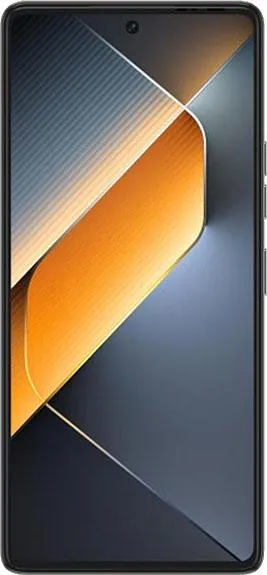
1. Specifications Comparison
| Feature | Xiaomi Redmi Note 12 4G | Tecno Pova 6 Pro | Practical Impact |
|---|---|---|---|
| Design | |||
| Dimensions (mm) | 165.7 x 76 x 7.9 | 165.5 x 76.1 x 7.9 | Virtually identical in size and thickness. |
| Weight (g) | 183.5 | 198 | Pova 6 Pro is noticeably heavier, potentially impacting one-handed use. |
| Display | |||
| Size (inches) | 6.67 | 6.78 | Pova 6 Pro offers a slightly larger screen for more immersive content consumption. |
| Resolution (px) | 1080 x 2400 | 1080 x 2436 | Negligible difference in resolution; both offer sharp visuals. |
| Panel Type | AMOLED, 120Hz | AMOLED, 120Hz | Both offer smooth scrolling and vibrant colors thanks to AMOLED and 120Hz refresh rate. |
| Peak Brightness (nits) | 1200 | 1300 | Pova 6 Pro might be slightly more readable in direct sunlight. |
| Performance | |||
| Chipset | Snapdragon 685 (6nm) | Dimensity 6080 (6nm) | Dimensity 6080 generally offers better CPU performance, especially in multi-core tasks. |
| CPU | Octa-core (4x2.8 GHz A73 & 4x1.9 GHz A53) | Octa-core (2x2.4 GHz A76 & 6x2.0 GHz A55) | Pova 6 Pro's CPU architecture is more modern and powerful. |
| GPU | Adreno 610 | Mali-G57 MC2 | Mali-G57 MC2 generally provides a slight edge in graphics performance. |
| RAM | 4/6/8GB | 12GB | Pova 6 Pro offers significantly more RAM, enabling better multitasking and smoother performance with demanding apps. |
| Camera | |||
| Main Camera (MP) | 50 | 108 | Pova 6 Pro boasts higher resolution, potentially capturing more detail. However, megapixel count isn't everything; image quality depends on sensor and processing. |
| Video Recording | 1080p@30fps | 1440p@30fps, 1080p@60fps | Pova 6 Pro offers superior video recording capabilities with higher resolution and frame rate options. |
| Battery | |||
| Capacity (mAh) | 5000 | 6000 | Pova 6 Pro offers significantly longer battery life. |
| Fast Charging (W) | 33 | 70 | Pova 6 Pro charges significantly faster. |
2. Key Differences Analysis
Xiaomi Redmi Note 12 4G Advantages:
- Potentially Lower Price: Likely more affordable based on historical pricing of the Redmi Note series.
Tecno Pova 6 Pro Advantages:
- Superior Performance: More powerful CPU, GPU, and significantly more RAM.
- Larger Battery and Faster Charging: Provides longer usage and quicker charging times.
- Better Video Recording: Higher resolution and frame rate options.
- Brighter Display: Enhanced outdoor visibility.
3. User Profiles & Recommendations
Redmi Note 12 4G: Budget-conscious users who prioritize basic functionality, casual gaming, and general everyday use.
Pova 6 Pro: Users who demand higher performance for demanding games, multitasking, content creation, and extended battery life. Ideal for power users and mobile gamers.
4. Decision Framework
Key Questions for Buyers:
- What is your budget? The Redmi Note 12 is likely more affordable.
- What are your primary use cases? Gaming, content creation, or basic everyday tasks?
- How important is battery life and charging speed? The Pova 6 Pro excels in this area.
My Choice: Tecno Pova 6 Pro
While pricing information for the Pova 6 Pro is limited (and seemingly high given the specs), purely based on specifications and performance, the Tecno Pova 6 Pro is the superior device. Its powerful processor, ample RAM, larger battery with faster charging, better video recording capabilities, and brighter display make it a more compelling overall package for a wider range of users. The Redmi Note 12 4G offers a good value proposition for budget-conscious buyers but compromises on performance and features. The significantly faster charging and larger battery of the Pova 6 Pro alone are major advantages in today's demanding mobile landscape. However, if budget is a major constraint, the Redmi Note 12 4G still offers a decent set of features for everyday use.
