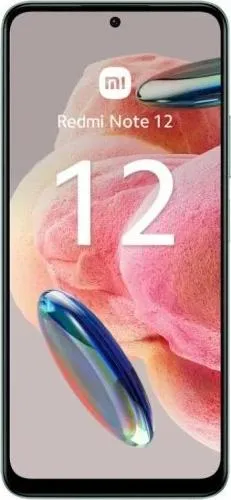
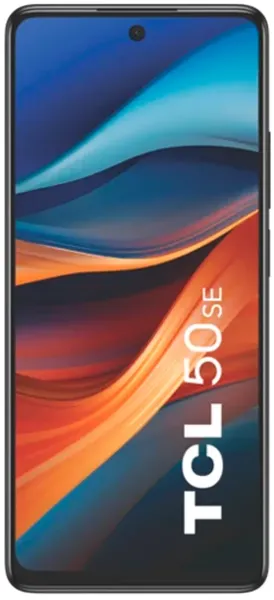
1. Specifications Comparison
| Feature | Xiaomi Redmi Note 12 4G | TCL 50 SE | Practical Impact |
|---|---|---|---|
| Design | |||
| Dimensions (mm) | 165.7 x 76 x 7.9 | 168.2 x 75.5 x 8.1 | Redmi is slightly smaller and thinner. Negligible difference in daily use. |
| Weight (g) | 183.5 | 195 | Redmi is noticeably lighter, improving one-handed use and portability. |
| Display | |||
| Display Type | AMOLED, 120Hz | IPS LCD, 90Hz | Redmi offers deeper blacks, more vibrant colors, and smoother scrolling due to AMOLED and higher refresh rate. TCL's LCD might be slightly better in direct sunlight. |
| Size (inches) | 6.67 | 6.78 | TCL has a slightly larger screen, offering marginally more viewing space. |
| Resolution | 1080 x 2400 | 1080 x 2460 | Virtually identical resolutions; sharpness difference is negligible. |
| Pixel Density (PPI) | 395 | 396 | Negligible difference in sharpness. |
| Peak Brightness (nits) | 1200 | 550 | Redmi's significantly higher brightness ensures better visibility outdoors. |
| Performance | |||
| Chipset | Snapdragon 685 (6nm) | Helio G88 (12nm) | Snapdragon 685 generally offers better performance and power efficiency due to the smaller manufacturing process. |
| CPU | Octa-core (4x2.8 GHz Cortex-A73 & 4x1.9 GHz Cortex-A53) | Octa-core (2x2.0 GHz Cortex-A75 & 6x1.8 GHz Cortex-A55) | While clock speeds appear similar, architectural differences favor the Snapdragon for sustained performance. Redmi likely handles demanding tasks and multitasking better. |
| GPU | Adreno 610 | Mali-G52 MC2 | Adreno 610 generally provides a smoother gaming experience compared to the Mali-G52 MC2. |
| RAM | 4GB/6GB/8GB | 4GB/6GB | More RAM options on the Redmi allows for better multitasking performance at higher tiers. |
| Camera | |||
| Rear Camera | 50MP Main, 8MP Wide, 2MP Macro | 50MP Main, 2MP Macro | Redmi has an ultrawide lens, providing more versatile shooting options. TCL lacks ultrawide capabilities. |
| Selfie Camera | 13MP | 8MP | Redmi offers a higher resolution selfie camera potentially capturing more detail. |
| Video Recording | 1080p@30fps | 1080p@30fps | Identical video recording capabilities. |
| Battery | |||
| Capacity (mAh) | 5000 | 5010 | Negligible difference in battery capacity. |
| Fast Charging | 33W | 33W | Identical fast charging speeds. |
2. Key Differences Analysis
Xiaomi Redmi Note 12 4G Advantages:
- Superior Display: AMOLED with 120Hz refresh rate provides a significantly better visual experience.
- Better Performance: Snapdragon 685 offers a smoother and more efficient performance.
- More Versatile Camera: Inclusion of an ultrawide lens expands photographic possibilities.
- Lighter and More Compact: Easier to handle and carry.
TCL 50 SE Advantages:
- Slightly Larger Display: Offers marginally more screen real estate.
- Potentially Lower Price: Depending on configuration and region, the TCL might be cheaper. (Specification sheet provides inconsistent pricing).
3. User Profiles & Recommendations
Xiaomi Redmi Note 12 4G: Suitable for users who prioritize display quality, performance, and camera versatility. Ideal for media consumption, gaming, and photography enthusiasts.
TCL 50 SE: Suitable for budget-conscious users who prioritize a large screen and basic functionality. Ideal for users primarily focused on communication, web browsing, and light media consumption. Best suited for those seeking maximum value at the lowest possible price.
4. Decision Framework
Key Questions for Buyers:
- What is your budget? The TCL 50 SE might be a better option for extremely tight budgets.
- How important is display quality and performance? If these are priorities, the Redmi Note 12 4G is the clear winner.
- What are your primary use cases? For demanding tasks and media consumption, choose the Redmi. For basic communication and web browsing, the TCL might suffice.
Scenario-Based Recommendations:
- Student on a Budget: TCL 50 SE
- Mobile Gamer: Xiaomi Redmi Note 12 4G
- Photography Enthusiast: Xiaomi Redmi Note 12 4G
- Casual User: Either phone could be suitable depending on budget and specific needs.
My Choice: Xiaomi Redmi Note 12 4G
While the TCL 50 SE might offer a slightly larger screen and potentially lower price, the Redmi Note 12 4G provides a significantly better overall user experience. The AMOLED display with a 120Hz refresh rate, the superior performance of the Snapdragon 685, the more versatile camera system, and the lighter, more compact design make it a compelling choice. The benefits in display quality, performance, and camera significantly outweigh the marginal differences in screen size and potential price. For the majority of users, the Redmi Note 12 4G offers a better balance of features and usability.
