1. Specifications Comparison
| Feature | Xiaomi Redmi Note 12 4G | TCL 40 SE | Practical Impact |
|---|---|---|---|
| Design | |||
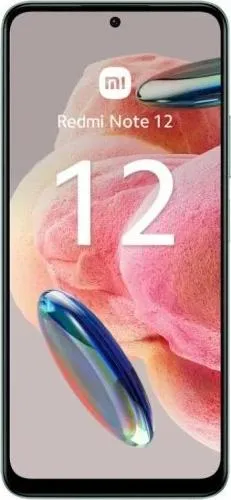
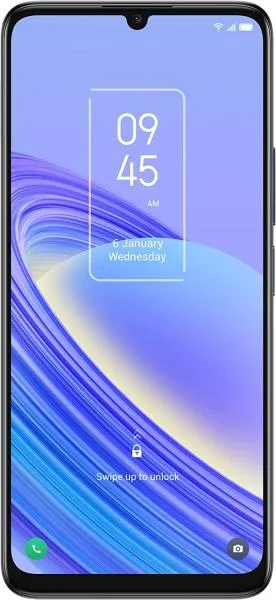
| Dimensions (mm) | 165.7 x 76 x 7.9 | 167.9 x 76.5 x 8.5 | Redmi Note 12 is slightly smaller and thinner. |
| Weight (g) | 183.5 | 190 | Redmi Note 12 is slightly lighter. Negligible difference in daily use. |
| Display | |||
| Display Type | AMOLED, 120Hz | IPS LCD, 90Hz | Redmi's AMOLED offers more vibrant colors, deeper blacks, and better power efficiency. 120Hz provides smoother scrolling and animations compared to 90Hz on the TCL. |
| Resolution | 1080 x 2400 | 720 x 1600 | Significantly sharper and more detailed visuals on the Redmi. TCL's display will appear pixelated, especially with text and fine details. |
| Pixel Density (PPI) | 395 | 260 | Noticeably higher pixel density on Redmi results in crisper images and text. |
| Peak Brightness (nits) | 1200 | 450 (typ), 900 (peak) | Redmi's display will be much more visible in direct sunlight. |
| Performance | |||
| Chipset | Snapdragon 685 (6nm) | Helio G37 (12nm) | Snapdragon 685 offers better performance and efficiency due to superior architecture and smaller manufacturing process. |
| CPU | Octa-core (4x2.8 GHz Cortex-A73 & 4x1.9 GHz Cortex-A53) | Octa-core (4x2.3 GHz Cortex-A53 & 4x1.8 GHz Cortex-A53) | Redmi has faster and more powerful CPU cores (Cortex-A73) leading to better multitasking and demanding application performance. |
| GPU | Adreno 610 | PowerVR GE8320 | Adreno 610 provides smoother gaming and graphics performance compared to the GE8320. |
| RAM | 4/6/8GB | 4/6GB | More RAM options available on the Redmi, with 8GB offering better multitasking. |
| Camera | |||
| Main Camera | 50MP | 50MP | While both have the same resolution, sensor quality and image processing will likely differ. We lack detailed sensor information to make a definitive comparison. |
| Video Recording | 1080p@30fps | 1080p@30fps | Similar video recording capabilities. |
| Battery | |||
| Capacity | 5000 mAh | 5010 mAh | Negligible difference in battery capacity. |
| Fast Charging | 33W | 18W | Redmi charges significantly faster. |
| Other | |||
| Price Range | Medium | Low | Redmi is more expensive but offers significantly better specifications. |
| NFC | Yes | Yes | Both support contactless payments. |
2. Key Differences Analysis
Xiaomi Redmi Note 12 4G Advantages:
- Superior Display: AMOLED with 120Hz refresh rate offers a significantly better visual experience with vibrant colors, deeper blacks, smoother scrolling, and higher brightness.
- Better Performance: Snapdragon 685 and Adreno 610 provide a noticeable performance advantage for demanding tasks and gaming.
- Faster Charging: 33W fast charging significantly reduces charging time.
TCL 40 SE Advantages:
- Lower Price: More budget-friendly option.
- Slightly Larger Battery: Negligibly larger battery capacity. However, real-world battery life depends heavily on optimization and usage patterns, and the Redmi's more efficient AMOLED display might offset this difference.
Trade-offs:
- The TCL 40 SE sacrifices display quality, performance, and charging speed for a lower price.
3. User Profiles & Recommendations
Xiaomi Redmi Note 12 4G: Users who prioritize display quality, performance, and a smooth user experience. Suitable for gaming, media consumption, and multitasking.
TCL 40 SE: Budget-conscious users who prioritize basic functionality and a large screen size over performance and display quality. Suitable for light usage, such as calls, messaging, and web browsing.
4. Decision Framework
Key Questions:
- What is your budget? The TCL 40 SE is a more affordable option.
- What are your primary smartphone usage patterns? For demanding tasks and media consumption, the Redmi is superior.
- How important is display quality? The Redmi's AMOLED display is a major advantage.
Scenario-Based Recommendations:
- Limited Budget: TCL 40 SE
- Balanced Needs: Xiaomi Redmi Note 12 4G
- Performance and Display Focused: Xiaomi Redmi Note 12 4G
My Choice: Xiaomi Redmi Note 12 4G
Reasoning: The Redmi Note 12 4G offers a significantly better overall user experience due to its superior AMOLED display, faster performance, and quicker charging. While the TCL 40 SE is more affordable, the compromises in display quality and performance are too significant for me. The difference in price is justified by the noticeable improvements in key areas that impact daily usage. A smooth, responsive display and strong performance are crucial for a satisfying smartphone experience.
