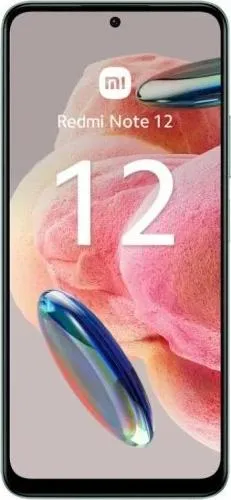
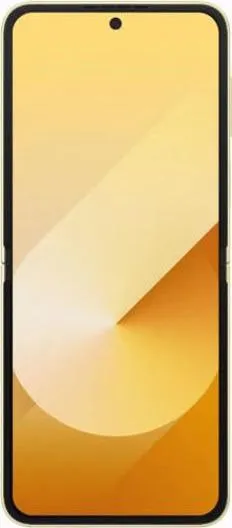
1. Specifications Comparison
| Feature | Xiaomi Redmi Note 12 4G | Samsung Galaxy Z Flip6 | Practical Impact |
|---|---|---|---|
| Design | |||
| Dimensions (mm) | 165.7 x 76 x 7.9 | 165.1 x 71.9 x 6.9 | Z Flip6 is slightly smaller and significantly thinner due to its foldable design. |
| Weight (g) | 183.5 | 187 | Negligible weight difference; both phones are relatively lightweight. |
| Foldable | No | Yes | Z Flip6's foldable design offers portability and a unique form factor. |
| Display | |||
| Display Type | AMOLED, 120Hz | Foldable Dynamic AMOLED 2X, 120Hz | Both offer smooth scrolling and vibrant colors with AMOLED technology; Z Flip6's foldable display is a key differentiator. |
| Size (inches) | 6.67 | 6.7 | Virtually identical screen sizes. |
| Resolution | 1080 x 2400 | 1080 x 2640 | Z Flip6 has a slightly taller aspect ratio and higher pixel density, resulting in marginally sharper visuals. |
| Peak Brightness (nits) | 1200 | Unspecified | Redmi Note 12's specified peak brightness suggests better outdoor visibility, but without Z Flip6's data, we can't be certain. |
| HDR | No Dolby Vision | HDR10+ | Z Flip6 supports HDR10+ for enhanced video content with wider color gamut and dynamic range. |
| Performance | |||
| Chipset | Snapdragon 685 (6nm) | Snapdragon 8 Gen 3 (4nm) | Z Flip6 boasts a significantly more powerful and efficient processor, leading to much faster performance in demanding tasks and gaming. |
| CPU | Octa-core (4x2.8 GHz Cortex-A73 & 4x1.9 GHz Cortex-A53) | Octa-core (1x3.39 GHz Cortex-X4 & 3x3.1 GHz Cortex-A720 & 2x2.9 GHz Cortex-A720 & 2x2.2 GHz Cortex-A520) | Z Flip6's newer CPU architecture and higher clock speeds deliver superior processing power. |
| GPU | Adreno 610 | Adreno 750 | Z Flip6's GPU provides a substantial leap in graphics performance, enabling smoother gaming and faster rendering. |
| RAM | 4/6/8GB | 12GB | Z Flip6 offers significantly more RAM for seamless multitasking and app switching. |
| Camera | |||
| Rear Camera | 50MP Main, 8MP Wide, 2MP Macro | 50MP Main, 12MP Wide | Both have comparable main cameras, but Z Flip6 lacks a dedicated macro lens. Z Flip6's wider secondary lens offers a broader field of view. |
| Front Camera | 13MP | 10MP | Redmi Note 12 has a slightly higher resolution selfie camera. |
| Video Recording | 1080p@30fps | Up to 4K@60fps, 720p@960fps | Z Flip6 offers significantly better video recording capabilities with higher resolution and frame rates, including slow-motion. |
| Battery | |||
| Capacity | 5000 mAh | 4000 mAh | Redmi Note 12 has a larger battery capacity, potentially leading to longer battery life. |
| Fast Charging | 33W | 25W | Redmi Note 12 offers faster wired charging. Z Flip6 offers wireless and reverse wireless charging. |
2. Key Differences Analysis
Xiaomi Redmi Note 12 4G Advantages:
- Longer Battery Life: The significantly larger battery capacity suggests longer usage time.
- Faster Wired Charging: 33W charging will top up the battery quicker than the Z Flip6's 25W.
- Lower Price: Positioned in the "medium price" range, it's significantly more affordable.
Samsung Galaxy Z Flip6 Advantages:
- Significantly More Powerful: The Snapdragon 8 Gen 3 chip provides a massive performance advantage for demanding tasks and gaming.
- Foldable Design: Offers unique portability and style.
- Superior Display: While similarly sized, the Z Flip6's display boasts HDR10+ support and a slightly higher resolution.
- Better Camera Features: Offers superior video recording capabilities and optical image stabilization.
- More Premium Features: Includes wireless charging, reverse wireless charging, and USB 3.2.
3. User Profiles & Recommendations
Xiaomi Redmi Note 12 4G:
- Budget-conscious users: Prioritize affordability and battery life.
- Casual users: Primarily use their phone for basic tasks like calling, texting, social media, and web browsing.
- Users needing long battery life: Suitable for those who are away from power outlets for extended periods.
Samsung Galaxy Z Flip6:
- Users seeking top-tier performance: Demand the best for gaming, multitasking, and demanding applications.
- Trendsetters and early adopters: Value the unique foldable design and portability.
- Content creators: Benefit from the enhanced camera features and video recording capabilities.
- Users who value a premium experience: Appreciate features like wireless charging and a flagship-level chipset.
4. Decision Framework
Key Questions for Buyers:
- What is your budget? The Redmi Note 12 offers excellent value for its price, while the Z Flip6 commands a premium.
- What level of performance do you need? Casual users will find the Redmi Note 12 sufficient, but power users will appreciate the Z Flip6's significantly faster processor.
- How important is portability and design? The Z Flip6's foldable design is a key differentiator.
Scenario-Based Recommendations:
- Limited budget, prioritize battery life: Redmi Note 12 4G
- Demand high performance and cutting-edge features: Samsung Galaxy Z Flip6
- Want a compact and stylish phone with good performance: Samsung Galaxy Z Flip6
My Choice: Samsung Galaxy Z Flip6
While the Redmi Note 12 offers excellent value, I would choose the Samsung Galaxy Z Flip6. The significantly more powerful processor, superior camera capabilities, foldable design, and premium features like wireless charging justify the higher price for me. The future-proofing offered by the Snapdragon 8 Gen 3 and ample RAM ensures a smooth user experience for years to come. While the smaller battery is a trade-off, the overall performance and feature set of the Z Flip6 outweigh this drawback for my personal needs and usage. I value having a powerful and portable device with the latest technology.
