1. Specifications Comparison
| Feature | Xiaomi Redmi Note 12 4G | Samsung Galaxy Tab S9 FE+ | Practical Impact |
|---|---|---|---|
| Design | |||
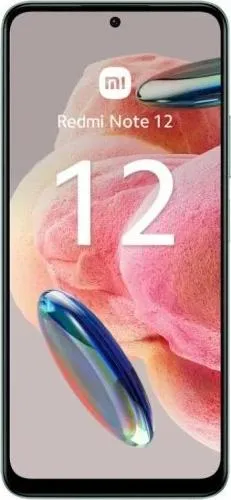
| Dimensions (mm) | 165.7 x 76 x 7.9 | 285.4 x 185.4 x 6.5 | Redmi Note 12 is a typical smartphone size, pocketable and one-hand usable. Tab S9 FE+ is a large tablet, requiring two hands and a bag for transport. |
| Weight (g) | 183.5 | 627 | Significant weight difference. Redmi Note 12 is comfortable for extended use; Tab S9 FE+ can be tiring to hold. |
| Display | |||
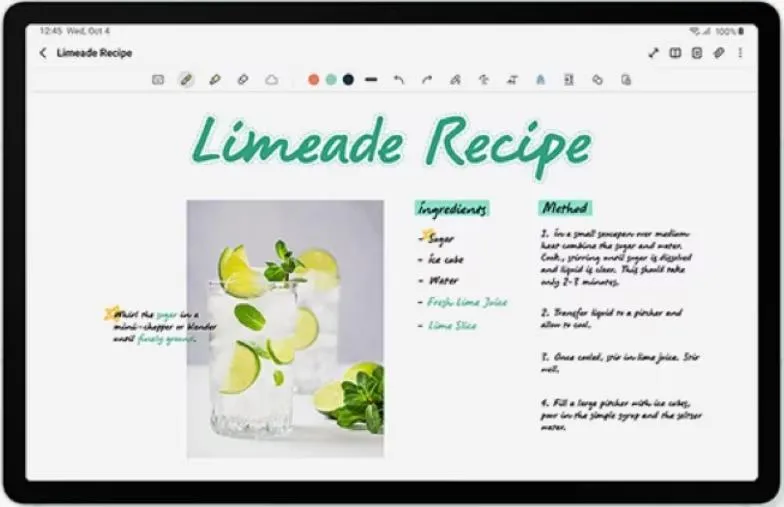
| Size (inches) | 6.67 | 12.4 | Larger display on Tab S9 FE+ offers more immersive content consumption but less portability. |
| Resolution | 1080 x 2400 | 1600 x 2560 | Despite lower pixel density (PPI), Tab S9 FE+ offers a sharper image due to its sheer size. Redmi Note 12's AMOLED provides richer colors and deeper blacks. |
| Refresh Rate | 120Hz | 90Hz | Smoother animations and scrolling on Redmi Note 12. |
| Display Type | AMOLED | IPS LCD | Redmi Note 12 benefits from AMOLED's vibrant colors, deeper blacks, and better power efficiency in dark mode. Tab S9 FE+'s LCD might offer better color accuracy for some users. |
| Performance | |||
| Chipset | Snapdragon 685 (6nm) | Exynos 1380 (5nm) | Exynos 1380 offers significantly better performance for demanding tasks and gaming. |
| CPU | Octa-core (4x2.8 GHz Cortex-A73 & 4x1.9 GHz Cortex-A53) | Octa-core (4x2.4 GHz Cortex-A78 & 4x2.0 GHz Cortex-A55) | Tab S9 FE+ has a more powerful and efficient CPU architecture. |
| GPU | Adreno 610 | Mali-G68 MP5 | Tab S9 FE+ has a more powerful GPU, suitable for demanding gaming and graphics-intensive tasks. |
| RAM | 4GB/6GB/8GB | 8GB/12GB | More RAM in Tab S9 FE+ allows for better multitasking and smoother performance with multiple apps. |
| Camera | |||
| Rear Camera | 50MP Main + 8MP Wide + 2MP Macro | 12MP Main + 8MP Wide | Redmi Note 12 boasts a higher resolution main sensor, but practical image quality differences need further review due to lacking sensor details for the Tab S9 FE+. Tab S9 FE+ likely prioritizes video recording with 4K capability. |
| Front Camera | 13MP | 8MP | Higher resolution on Redmi Note 12 for selfies. |
| Video Recording | 1080p@30fps | 4K@30fps, 1080p@30fps | Tab S9 FE+ allows for significantly higher resolution video recording. |
| Battery | |||
| Capacity (mAh) | 5000 | 10090 | Significantly larger battery in Tab S9 FE+ provides much longer usage time. |
| Charging | 33W Fast Charging | 45W Fast Charging | Faster charging on Tab S9 FE+, but the larger battery will still take longer to fully charge. |
2. Key Differences Analysis
Xiaomi Redmi Note 12 4G Advantages:
- Portability: Significantly more compact and lighter, ideal for one-handed use and portability.
- Display Quality: AMOLED display offers richer colors and deeper blacks. Higher refresh rate for smoother visuals.
- Affordability: Generally lower price point.
Samsung Galaxy Tab S9 FE+ Advantages:
- Larger Display: More immersive experience for content consumption, multitasking, and creative work.
- Superior Performance: More powerful processor and GPU for demanding tasks and gaming.
- Longer Battery Life: Significantly larger battery capacity for extended usage.
- Better Video Recording: 4K video recording capability.
3. User Profiles & Recommendations
Redmi Note 12 4G:
- Ideal User: Budget-conscious users seeking a reliable smartphone for everyday tasks, social media, and casual gaming. Users prioritizing portability and a vibrant display.
- Use Cases: Everyday communication, web browsing, social media, casual photography, light gaming.
Samsung Galaxy Tab S9 FE+:
- Ideal User: Users prioritizing a large screen for media consumption, productivity, creative tasks, and gaming. Students, artists, and professionals who benefit from a larger workspace.
- Use Cases: Watching movies/videos, reading ebooks, online learning, digital art creation, note-taking, mobile gaming, multitasking.
4. Decision Framework
Key Questions for Buyers:
- What is your primary use case? (Content consumption, communication, productivity, gaming)
- What is your budget?
- How important is portability?
Scenario-Based Recommendations:
- Limited budget, prioritize portability: Redmi Note 12 4G
- Need a large screen for productivity and entertainment: Samsung Galaxy Tab S9 FE+
- Heavy gamer or content creator: Samsung Galaxy Tab S9 FE+
My Choice: Samsung Galaxy Tab S9 FE+
While the Redmi Note 12 4G is a solid budget phone, I would choose the Samsung Galaxy Tab S9 FE+. The significantly larger display, superior performance provided by the Exynos 1380, and extended battery life are crucial for my workflow. I prioritize having a device for both consuming content and getting work done, and the tablet form factor combined with the Tab S9 FE+'s power makes it a better fit for my needs. While I sacrifice some portability, the trade-off is worth it for the enhanced productivity and entertainment experience. The inclusion of 4K video recording is another significant advantage for content creation. While price is a factor, the long-term value offered by the Tab S9 FE+'s powerful specifications and larger display outweighs the higher initial cost for my specific needs.
