1. Specifications Comparison
| Feature | Xiaomi Redmi Note 12 4G | Samsung Galaxy Tab S9 FE | Practical Impact |
|---|---|---|---|
| Design | |||
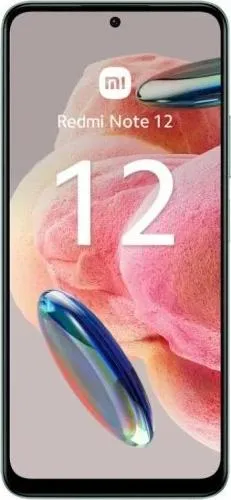
| Dimensions (mm) | 165.7 x 76 x 7.9 | 254.3 x 165.8 x 6.5 | Redmi Note 12 is a typical smartphone size, pocketable and one-hand usable. Tab S9 FE is a large tablet, requiring two hands and a bag for transport. |
| Weight (g) | 183.5 | 523 | Redmi Note 12 is much lighter and easier to hold for extended periods. Tab S9 FE is significantly heavier, impacting portability and comfort. |
| Display | |||
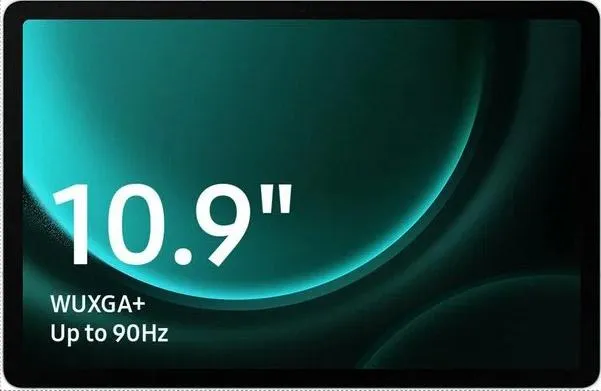
| Size (inches) | 6.67 | 10.9 | Redmi Note 12 offers a large smartphone screen suitable for media consumption. Tab S9 FE provides a much larger display area ideal for multitasking and content creation. |
| Resolution | 1080 x 2400 | 1440 x 2304 | Both offer sharp displays, but Tab S9 FE has a slightly higher resolution benefiting its larger size. |
| Type | AMOLED, 120Hz | IPS LCD, 90Hz | Redmi Note 12 benefits from AMOLED's vibrant colors and deep blacks, along with a smoother 120Hz refresh rate. Tab S9 FE's IPS LCD provides good color accuracy but lacks the punch of AMOLED. |
| Performance | |||
| Chipset | Snapdragon 685 (6nm) | Exynos 1380 (5nm) | Exynos 1380 is a more powerful chipset, delivering better performance for demanding tasks and gaming. Snapdragon 685 is sufficient for everyday use but might struggle with heavy workloads. |
| CPU | Octa-core (4x2.8 GHz Cortex-A73 & 4x1.9 GHz Cortex-A53) | Octa-core (4x2.4 GHz Cortex-A78 & 4x2.0 GHz Cortex-A55) | The Exynos 1380 in the Tab S9 FE utilizes more powerful Cortex-A78 cores, providing a performance advantage over the Redmi Note 12's Cortex-A73 cores. |
| GPU | Adreno 610 | Mali-G68 MP5 | Mali-G68 MP5 offers better graphics performance compared to Adreno 610, making the Tab S9 FE better suited for gaming. |
| RAM | 4/6/8GB | 6/8GB | Both offer sufficient RAM for multitasking, but higher RAM options on both devices provide better performance with numerous apps open. |
| Camera | |||
| Rear Camera | 50MP main, 8MP ultrawide, 2MP macro | 12MP main | Redmi Note 12 offers a more versatile camera system with an ultrawide lens. Tab S9 FE's single camera might be sufficient for basic photography but lacks flexibility. Megapixel count isn't everything, image quality details are missing. |
| Front Camera | 13MP | 8MP | Redmi Note 12 likely offers better selfie quality with a higher resolution sensor. |
| Battery | |||
| Capacity | 5000 mAh | 8000 mAh | Tab S9 FE's significantly larger battery capacity provides much longer usage time, especially considering its larger display. |
| Charging | 33W wired | 45W wired | Tab S9 FE supports faster charging despite its larger battery. |
2. Key Differences Analysis
Xiaomi Redmi Note 12 4G Advantages:
- Portability: Significantly smaller and lighter, easier to carry and use on the go.
- Display Vibrancy: AMOLED screen offers better colors and contrast.
- Versatile Camera: Offers ultrawide and macro lenses for different shooting scenarios.
- More Affordable: Generally priced lower than the Tab S9 FE.
Samsung Galaxy Tab S9 FE Advantages:
- Larger Display: Better for multitasking, media consumption, and content creation.
- Powerful Performance: Exynos 1380 chipset offers smoother performance for demanding tasks and gaming.
- Longer Battery Life: Significantly larger battery capacity for extended usage.
- Faster Charging: 45W wired charging replenishes the large battery quicker.
- Longer Software Support: Expected to receive more OS updates than the Redmi Note 12.
Trade-offs:
- Redmi Note 12: Less powerful, smaller battery, less future-proof in terms of software updates.
- Tab S9 FE: Less portable, heavier, potentially more expensive, less vibrant display.
3. User Profiles & Recommendations
Xiaomi Redmi Note 12 4G: Suitable for users who prioritize portability, affordability, a vibrant display, and a decent camera for everyday use. Ideal for social media, browsing, light gaming, and communication.
Samsung Galaxy Tab S9 FE: Best for users who need a large screen for productivity, media consumption, creative tasks, and gaming. Ideal for students, artists, and professionals who require a portable workstation.
4. Decision Framework
Key Questions:
- What is your primary use case? (e.g., communication, media consumption, productivity, gaming)
- How important is portability? (e.g., pocket-friendly vs. larger screen)
- What is your budget?
Scenario-based Recommendations:
- Limited Budget, On-the-Go User: Redmi Note 12 4G
- Student/Professional needing a portable workstation: Samsung Galaxy Tab S9 FE
- Heavy Media Consumer prioritizing large screen: Samsung Galaxy Tab S9 FE
- Gamer on a budget: Consider Redmi Note 12 4G for casual gaming, Tab S9 FE for more demanding titles.
My Choice: Samsung Galaxy Tab S9 FE
While I appreciate the Redmi Note 12 4G's portability and affordability, I would choose the Samsung Galaxy Tab S9 FE. The significantly larger display and more powerful processor are crucial for my workflow, which involves multitasking, content creation, and media consumption. The longer battery life ensures I can use the device throughout the day without constantly searching for a charger. The longer software support lifespan also aligns with my preference for a device that remains updated and secure for a longer period. While the larger size and weight are trade-offs, the benefits outweigh these drawbacks for my specific needs. I am willing to compromise on portability for the increased productivity and enjoyment provided by the Tab S9 FE's larger screen and better performance.
