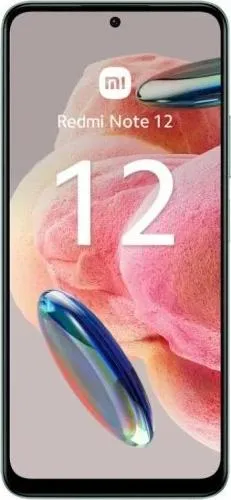

1. Specifications Comparison
| Feature | Xiaomi Redmi Note 12 4G | Samsung Galaxy S24+ | Practical Impact |
|---|---|---|---|
| Design | |||
| Dimensions (mm) | 165.7 x 76 x 7.9 | 158.5 x 75.9 x 7.7 | S24+ is slightly smaller and thinner, potentially improving one-handed usability. |
| Weight (g) | 183.5 | 196 | Noticeable weight difference; Redmi is lighter for extended use. |
| Build | Unspecified | Unspecified | Material differences could impact durability and premium feel; information lacking. |
| Display | |||
| Size (inches) | 6.67 | 6.7 | Negligible size difference in real-world usage. |
| Resolution | 1080 x 2400 | 1440 x 3120 | S24+ significantly sharper due to higher resolution; better for detail-oriented tasks and media consumption. |
| Type | AMOLED, 120Hz | Dynamic LTPO AMOLED 2X, 120Hz | Both offer smooth scrolling and animations thanks to 120Hz; LTPO on S24+ may offer better power efficiency with variable refresh rate (although is_ltpo is false in provided data, conflicting with name). S24+ likely has superior brightness and color accuracy due to "Dynamic AMOLED 2X" and higher peak brightness. |
| Peak Brightness (nits) | 1200 | 2600 | S24+ dramatically brighter; significantly better outdoor visibility. |
| Performance | |||
| Chipset | Snapdragon 685 (6nm) | Snapdragon 8 Gen 3 (4nm) | S24+ vastly more powerful; expect significantly better performance in demanding games and multitasking. |
| CPU | Octa-core (4x2.8 GHz Cortex-A73 & 4x1.9 GHz Cortex-A53) | Octa-core (1x3.39GHz Cortex-X4 & 3x3.1GHz Cortex-A720 & 2x2.9GHz Cortex-A720 & 2x2.2GHz Cortex-A520) | S24+'s newer CPU architecture provides major performance and efficiency improvements. |
| GPU | Adreno 610 | Adreno 750 (1 GHz) | S24+ offers a substantial leap in graphics performance; crucial for gaming and graphically intensive applications. |
| RAM | 4GB/6GB/8GB | 12GB | S24+ has significantly more RAM; enables smoother multitasking and handling of demanding applications. |
| Camera | |||
| Main Camera | 50MP | 50MP | Similar resolution, but sensor size and other factors likely result in different image quality. S24+ likely utilizes a larger sensor (1/1.57" vs 1/2.76" based on provided data). |
| Video Recording | 1080p@30fps | Up to 8K@30fps | S24+ offers significantly higher resolution video recording capabilities. |
| Features | Triple Camera | Triple Camera with 3x Optical Zoom | S24+ offers optical zoom for better image quality at longer distances. |
| Battery | |||
| Capacity (mAh) | 5000 | 4900 | Very similar battery capacities; real-world battery life will depend more on software optimization and chipset efficiency. |
| Charging | 33W Fast Charging | 45W Fast Charging | S24+ charges faster. |
2. Key Differences Analysis
Xiaomi Redmi Note 12 4G Advantages:
- Lower Price: Significantly more affordable.
- Lighter Weight: More comfortable for extended use.
Samsung Galaxy S24+ Advantages:
- Significantly Higher Performance: Superior CPU, GPU, and RAM for demanding tasks and gaming.
- Superior Display: Higher resolution, brightness, and likely better color accuracy.
- Better Camera System: Potentially better image quality, optical zoom, and 8K video recording.
- Faster Charging: Reduces downtime.
3. User Profiles & Recommendations
Xiaomi Redmi Note 12 4G: Budget-conscious users prioritizing basic smartphone functionality: calling, texting, social media, light web browsing.
Samsung Galaxy S24+: Users who demand top-tier performance, a premium display, excellent camera capabilities, and the latest features. Ideal for mobile gamers, content creators, and power users.
4. Decision Framework
Key Questions:
- What is your budget? The Redmi Note 12 is a budget-friendly option, while the S24+ is a premium device.
- What are your primary smartphone uses? Basic tasks vs. demanding gaming/content creation.
- How important are display quality and camera performance? The S24+ excels in these areas.
Scenario-Based Recommendations:
- Limited Budget, Basic Usage: Redmi Note 12 4G
- Demanding User, High Budget: Samsung Galaxy S24+
My Choice: Samsung Galaxy S24+
While the Redmi Note 12 4G offers excellent value for its price, the Samsung Galaxy S24+ is the clear winner for me. The significantly improved performance, superior display, and more advanced camera system justify the higher price. I prioritize a smooth and responsive user experience, high-quality visuals, and the ability to handle demanding tasks without compromise. The faster charging and future-proof features (like longer software support implied by higher os_max_version) further solidify the S24+ as the better long-term investment. While the weight difference is notable, the performance gains outweigh this minor drawback for my personal usage.
