1. Specifications Comparison
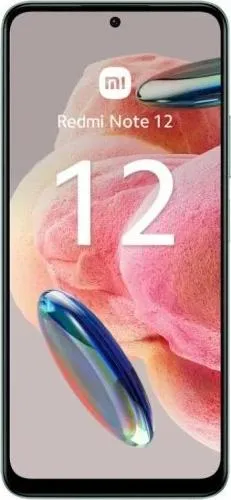
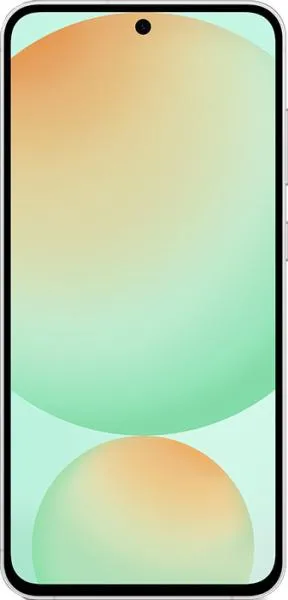
| Feature | Xiaomi Redmi Note 12 4G | Samsung Galaxy S24 FE | Practical Impact |
|---|---|---|---|
| Design | |||
| Dimensions (mm) | 165.7 x 76 x 7.9 | 162 x 77.3 x 8 | S24 FE slightly shorter and wider, negligible difference in thickness. |
| Weight (g) | 183.5 | 213 | Redmi Note 12 noticeably lighter, potentially more comfortable for extended use. |
| Build | Unspecified | Unspecified | Material differences unknown, impacting durability and premium feel. |
| Display | |||
| Display Type | AMOLED, 120Hz | Dynamic AMOLED 2X, 120Hz | Both offer smooth scrolling and animations with 120Hz. Dynamic AMOLED 2X generally implies better color accuracy and brightness. |
| Size (inches) | 6.67 | 6.7 | Negligible size difference. |
| Resolution | 1080 x 2400 | 1080 x 2340 | Virtually identical sharpness. |
| Peak Brightness (nits) | 1200 | 1900 | S24 FE significantly brighter, improving outdoor visibility. |
| HDR | No Dolby Vision, HDR10/10+ unspecified | HDR10+ | S24 FE offers better dynamic range and color accuracy in HDR content. |
| Performance | |||
| Chipset | Snapdragon 685 (6nm) | Exynos 2400e (4nm) | S24 FE's 4nm process likely translates to better efficiency and performance. |
| CPU | Octa-core (4x2.8 GHz Cortex-A73 & 4x1.9 GHz Cortex-A53) | 10-core (1x3.1 GHz + 2x2.9 GHz + 3x2.6 GHz + 4x1.95 GHz) | S24 FE boasts higher clock speeds and more cores, promising superior multitasking and demanding app performance. |
| GPU | Adreno 610 | Xclipse 940 | S24 FE's GPU significantly more powerful, ideal for gaming and graphics-intensive tasks. |
| RAM | 4/6/8GB | 8GB | S24 FE offers more RAM in its base configuration, beneficial for multitasking. |
| Camera | |||
| Main Camera | 50MP | 50MP | Resolution similar, but sensor size and other factors impact image quality. S24 FE utilizes a larger sensor (1/1.57" vs 1/2.76"). |
| Ultrawide | 8MP | 13MP | S24 FE offers higher resolution ultrawide. |
| Telephoto | 2MP Macro | 8MP Telephoto | S24 FE offers optical zoom, Redmi Note 12 only has a low-resolution macro lens. |
| Video Recording | 1080p@30fps | Up to 8K@30fps | S24 FE significantly more capable in video recording. |
| Battery | |||
| Capacity | 5000 mAh | 4700 mAh | Redmi Note 12 slightly larger battery capacity. |
| Fast Charging | 33W | 25W | Redmi Note 12 charges faster despite larger battery. |
2. Key Differences Analysis
Xiaomi Redmi Note 12 4G Advantages:
- Lighter and potentially more comfortable for one-handed use.
- Longer battery life (on paper).
- Faster wired charging.
- Lower price point.
Samsung Galaxy S24 FE Advantages:
- Significantly more powerful processor and GPU for demanding tasks and gaming.
- Brighter and more color-accurate display with HDR10+ support.
- Superior camera system with optical zoom and significantly better video recording capabilities.
- More future-proof with newer OS, 5G connectivity, and potentially longer software support.
3. User Profiles & Recommendations
Redmi Note 12 4G: Budget-conscious users prioritizing basic tasks like calling, texting, social media, and light web browsing. Students or individuals seeking a long-lasting battery are good candidates.
Samsung Galaxy S24 FE: Users who demand performance for gaming, content creation, and multitasking. Photography enthusiasts will appreciate the superior camera system. Individuals seeking a future-proof device with the latest technology would prefer the S24 FE.
4. Decision Framework
Key Questions for Buyers:
- What is your budget? The Redmi Note 12 is significantly more affordable.
- What are your primary smartphone usage patterns? Basic tasks vs. demanding applications and gaming.
- How important is camera quality and video recording capability? The S24 FE excels in this area.
Scenario-Based Recommendations:
- Tight Budget, Basic Usage: Redmi Note 12 4G
- Balanced Budget, Moderate Usage: Consider the Redmi Note 12 if battery life and price are top priorities, otherwise lean towards the S24 FE for better overall performance and future-proofing.
- Performance and Camera Focused: Samsung Galaxy S24 FE
My Choice: Samsung Galaxy S24 FE
While the Redmi Note 12 4G offers excellent value for its price, I would choose the Samsung Galaxy S24 FE. The significantly superior performance, brighter display with HDR10+, and much more capable camera system are compelling reasons. The future-proofing aspect with 5G, newer Bluetooth, Wi-Fi standards, and expected longer software updates makes it a better long-term investment, despite the higher price. The slightly heavier weight is a minor trade-off for the substantial performance and feature gains. For my usage, which includes photography, gaming, and demanding productivity tasks, the S24 FE is a clear winner. The superior user experience justifies the price premium.
