1. Specifications Comparison
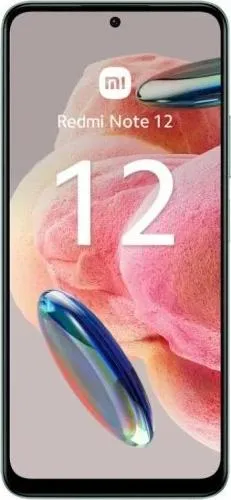
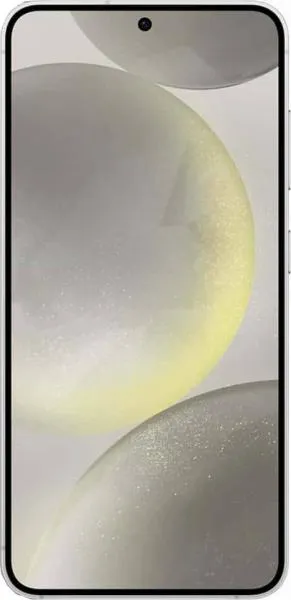
| Feature | Xiaomi Redmi Note 12 4G | Samsung Galaxy S24 | Practical Impact |
|---|---|---|---|
| Design | |||
| Dimensions (mm) | 165.7 x 76 x 7.9 | 147 x 70.6 x 7.6 | The S24 is significantly more compact and pocketable. |
| Weight (g) | 183.5 | 167 | The S24 is noticeably lighter, improving one-handed use. |
| Display | |||
| Size (inches) | 6.67 | 6.2 | The Redmi Note 12 has a larger screen for media consumption, while the S24 is more manageable. |
| Resolution | 1080 x 2400 | 1080 x 2340 | Similar sharpness; negligible real-world difference. |
| Type | AMOLED, 120Hz | Dynamic LTPO AMOLED 2X, 120Hz | Both offer smooth scrolling and animations. LTPO on the S24 potentially allows for more granular refresh rate adjustments for better battery life. Missing HDR specs for Redmi makes direct display quality comparisons difficult. |
| Peak Brightness | 1200 nits | 2600 nits | The S24 will be significantly more visible in direct sunlight. |
| Performance | |||
| Chipset | Snapdragon 685 (6nm) | Snapdragon 8 Gen 3 (4nm) | The S24 will offer dramatically better performance in demanding tasks and gaming due to a flagship-level processor. |
| CPU | Octa-core (4x2.8 GHz A73 & 4x1.9 GHz A53) | Octa-core (1x3.39GHz X4 & 3x3.1GHz A720 & 2x2.9GHz A720 & 2x2.2GHz A520) | The S24's CPU architecture is far more powerful and efficient. |
| GPU | Adreno 610 | Adreno 750 | The S24 will provide a significantly superior gaming and graphics experience. |
| RAM | 4GB/6GB/8GB | 8GB/12GB | More RAM in higher-end S24 models allows for better multitasking. |
| Camera | |||
| Main Camera | 50MP | 50MP | Resolution is similar, but sensor size (1/1.57" vs 1/2.76") and other features give the S24 a significant advantage in image quality. |
| Video | 1080p@30fps | Up to 8K@30fps | The S24 offers significantly higher resolution video recording with more advanced features. |
| Battery | |||
| Capacity | 5000 mAh | 4000 mAh | The Redmi Note 12 has a larger battery capacity, potentially leading to longer battery life despite its less efficient display. |
| Charging | 33W Fast Charging | 25W Fast Charging | The Redmi charges faster despite having a larger battery. |
2. Key Differences Analysis
Xiaomi Redmi Note 12 4G Advantages:
- Larger Battery: Potentially longer battery life.
- Faster Charging: Quicker top-ups.
- Lower Price: Significantly more affordable.
- Larger Display: More immersive for media consumption.
Samsung Galaxy S24 Advantages:
- Significantly Faster Performance: Smoother experience, better for demanding tasks and gaming.
- Superior Camera: Better image quality, higher resolution video recording capabilities.
- More Compact and Lighter: Easier to handle and carry.
- Brighter Display: Better outdoor visibility.
- More Premium Design & Features: Water resistance (not listed but typical for S series), newer Bluetooth version, DisplayPort over USB-C.
Trade-offs:
- The Redmi Note 12 sacrifices performance and camera quality for a lower price and larger battery.
- The S24 prioritizes performance and features but comes at a premium price with a smaller battery.
3. User Profiles & Recommendations
Redmi Note 12 4G: Budget-conscious users who prioritize battery life and a large screen for media consumption. Suitable for everyday tasks, social media, and light gaming.
Samsung Galaxy S24: Users who demand top-tier performance, a high-quality camera, and a premium experience. Ideal for power users, gamers, and content creators.
4. Decision Framework
Key Questions:
- What is your budget?
- What are your primary smartphone usage patterns (e.g., gaming, photography, social media)?
- How important is battery life to you?
Scenario-Based Recommendations:
- Tight Budget, Casual User: Redmi Note 12 4G
- Power User, High Budget: Samsung Galaxy S24
- Balanced Needs, Moderate Budget: Consider other options in the mid-range segment.
My Choice: Samsung Galaxy S24
While the Redmi Note 12 4G offers excellent value for its price, the Samsung Galaxy S24 is the better choice for me. I prioritize a smooth and responsive user experience, which the S24's powerful Snapdragon 8 Gen 3 chip guarantees. The superior camera system and brighter, higher quality display are also significant factors. While the battery is smaller, the overall user experience and longevity offered by the S24 outweigh the Redmi's advantages in battery capacity and charging speed. The more compact form factor is also appealing. I am willing to pay the premium for the significant performance and feature upgrades.
