1. Specifications Comparison
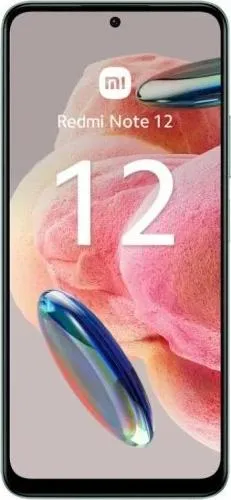
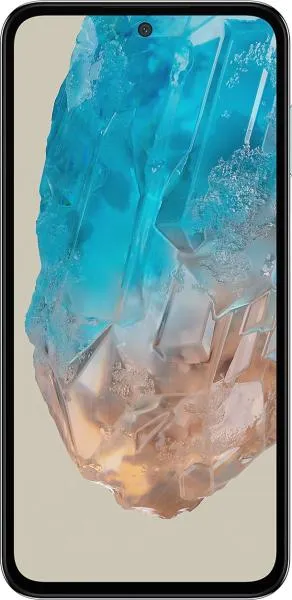
| Feature | Xiaomi Redmi Note 12 4G | Samsung Galaxy M35 | Practical Impact |
|---|---|---|---|
| Design | |||
| Dimensions (mm) | 165.7 x 76 x 7.9 | 162.3 x 78.6 x 9.1 | The Redmi is slightly taller and thinner, while the Galaxy M35 is wider and thicker. M35 may feel bulkier in hand. |
| Weight (g) | 183.5 | 222 | Redmi is significantly lighter, reducing hand fatigue during extended use. |
| Display | |||
| Display Type | AMOLED, 120Hz | Super AMOLED, 120Hz | Both offer vibrant colors and smooth scrolling thanks to 120Hz. The specific AMOLED implementations might have slight differences in color accuracy and peak brightness, but without HDR specs, it's hard to quantify. |
| Display Size (inches) | 6.67 | 6.6 | Negligible size difference in real-world usage. |
| Resolution | 1080 x 2400 | 1080 x 2340 | Virtually identical sharpness. |
| Peak Brightness (nits) | 1200 (peak) | Not specified | Redmi's higher peak brightness (at least in certain modes) should offer better visibility in direct sunlight. The lack of specific data for the M35 limits a complete comparison. |
| Performance | |||
| Chipset | Snapdragon 685 (6nm) | Exynos 1380 (5nm) | Exynos 1380 utilizes a more advanced 5nm process, suggesting better power efficiency and potentially higher performance than the Snapdragon 685. |
| CPU | Octa-core (4x2.8 GHz Cortex-A73 & 4x1.9 GHz Cortex-A53) | Octa-core (4x2.4 GHz Cortex-A78 & 4x2.0 GHz Cortex-A55) | The M35's Cortex-A78 cores are more powerful than the Redmi's A73 cores, translating to smoother multitasking and better performance in demanding apps. |
| GPU | Adreno 610 | Mali-G68 MP5 | Mali-G68 MP5 generally offers superior graphics performance compared to Adreno 610, beneficial for gaming and graphically intensive tasks. |
| RAM | 4/6/8GB | 8GB | M35's 8GB RAM ensures smooth multitasking, even with numerous apps open. The Redmi offers configurations with less RAM which may lead to performance limitations. |
| Camera | |||
| Main Camera | 50MP, f/1.8 | 50MP, f/1.8, OIS | Both have 50MP main sensors, but the M35 benefits significantly from Optical Image Stabilization (OIS), leading to sharper images, especially in low light and when recording video. |
| Video Recording | 1080p@30fps | 4K@30fps with EIS, 1080p@60fps with EIS, 720p@480fps | M35 offers significantly better video recording capabilities with higher resolution (4K), higher frame rates (60fps and 480fps slow-motion), and Electronic Image Stabilization (EIS). |
| Battery | |||
| Capacity | 5000 mAh | 6000 mAh | Larger battery in the M35 should provide longer usage time on a single charge. |
| Fast Charging | 33W | 25W | Redmi charges faster despite having a smaller battery. |
2. Key Differences Analysis
Xiaomi Redmi Note 12 4G Advantages:
- Lighter and More Compact: Easier to handle and carry.
- Faster Charging: Less downtime for charging.
- Lower Price: Offers good value for its features.
Samsung Galaxy M35 Advantages:
- Significantly More Powerful: Smoother performance for demanding tasks and gaming.
- Better Camera System: OIS for improved image and video quality, plus 4K video recording.
- Larger Battery: Longer battery life.
- 5G Connectivity: Future-proofed for faster network speeds (important regional consideration).
3. User Profiles & Recommendations
Redmi Note 12 4G: Budget-conscious users prioritizing a lightweight phone for everyday tasks like browsing, social media, and casual photography. Good for users who value fast charging.
Samsung Galaxy M35: Users who demand higher performance for gaming, multitasking, and media consumption. Also suitable for users who prioritize camera quality and longer battery life. Important for those who need 5G connectivity.
4. Decision Framework
Key Questions for Buyers:
- What is your budget? The Redmi Note 12 is generally more affordable.
- What are your primary use cases? (e.g., gaming, photography, social media)
- How important is battery life and charging speed? Larger battery vs. faster charging.
Scenario-Based Recommendations:
- Tight budget, basic usage: Redmi Note 12 4G
- Performance focused, mobile gamer: Samsung Galaxy M35
- Photography enthusiast, long battery life: Samsung Galaxy M35
My Choice: Samsung Galaxy M35
While the Redmi Note 12 4G offers excellent value, the Samsung Galaxy M35 is the better overall phone for my needs. The superior performance offered by the Exynos 1380 and larger RAM capacity is crucial for a smooth user experience in the long run. The inclusion of OIS in the camera and the ability to record 4K video significantly enhance the imaging capabilities. While the Redmi charges faster, the M35's larger battery capacity would likely result in fewer charging sessions overall. Finally, the inclusion of 5G ensures the phone is future-proofed for upcoming network advancements. The price difference is justified by these substantial improvements.
