1. Specifications Comparison
| Feature | Xiaomi Redmi Note 12 4G | Samsung Galaxy M15 | Practical Impact |
|---|---|---|---|
| Design | |||
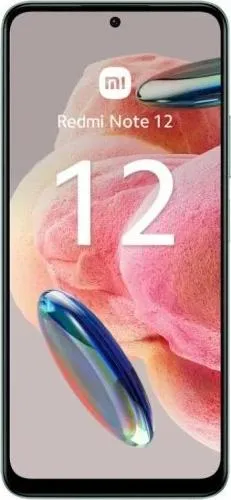
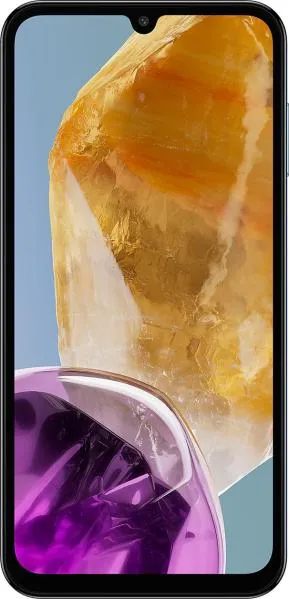
| Dimensions (mm) | 165.7 x 76 x 7.9 | 160.1 x 76.8 x 9.3 | M15 slightly shorter and wider, noticeably thicker. Redmi Note 12 feels slimmer in hand. |
| Weight (g) | 183.5 | 217 | Redmi Note 12 significantly lighter, reducing hand fatigue during extended use. |
| Display | |||
| Display Type | AMOLED, 120Hz | Super AMOLED, 90Hz | Both offer vibrant colors and deep blacks. Redmi Note 12's 120Hz provides smoother scrolling and animations but consumes more battery. |
| Peak Brightness (nits) | 1200 | 800 | Redmi Note 12 significantly brighter, ensuring better visibility in direct sunlight. |
| Display Size (inches) | 6.67 | 6.5 | Negligible difference in screen real estate. |
| Resolution | 1080 x 2400 | 1080 x 2340 | Virtually identical sharpness. |
| Performance | |||
| Chipset | Snapdragon 685 (6nm) | Dimensity 6100+ (6nm) | Dimensity 6100+ offers better CPU and GPU performance, resulting in smoother multitasking and gaming. |
| CPU | Octa-core (4x2.8 GHz A73 & 4x1.9 GHz A53) | Octa-core (2x2.2 GHz A76 & 6x2.0 GHz A55) | M15's more modern CPU architecture provides superior performance. |
| GPU | Adreno 610 | Mali-G57 MC2 | Mali-G57 MC2 delivers better graphics performance for gaming. |
| RAM | 4/6/8GB | 4/6GB | More RAM options available for Redmi Note 12, allowing for better multitasking. |
| OS | Android 13 | Android 14 | M15 ships with a newer Android version, potentially offering longer software support and newer features. |
| Camera | |||
| Main Camera | 50MP, f/1.8 | 50MP, f/1.8 | Comparable main camera specifications; real-world performance depends on image processing. |
| Video Recording | 1080p@30fps | 1080p@30fps with EIS | M15 offers Electronic Image Stabilization (EIS) for smoother video recording. |
| Slow Motion | No information | 240 fps | M15 boasts significantly better slow-motion capabilities. |
| Battery | |||
| Capacity | 5000 mAh | 6000 mAh | M15 offers significantly longer battery life. |
| Fast Charging | 33W | 25W | Redmi Note 12 charges faster despite smaller battery. |
2. Key Differences Analysis
Xiaomi Redmi Note 12 4G Advantages:
- Lighter and Slimmer: More comfortable for one-handed use and extended periods.
- Brighter Display: Better outdoor visibility.
- Faster Charging: Less downtime.
- Higher Refresh Rate: Smoother user interface, but potential trade-off with battery life.
- More RAM Options: Flexibility for users needing more multitasking power.
Samsung Galaxy M15 Advantages:
- Longer Battery Life: Fewer charges required.
- Better Performance: Smoother multitasking and gaming due to a newer chipset.
- Newer Android Version: Potential for longer software updates and latest features.
- Video Stabilization: Smoother video recording.
- Superior Slow Motion: Capture detailed slow-motion footage.
3. User Profiles & Recommendations
Xiaomi Redmi Note 12 4G: Users prioritizing a lightweight, slim design, bright display for outdoor use, and faster charging. Suitable for casual gaming and everyday tasks. Budget-conscious buyers seeking a good display.
Samsung Galaxy M15: Users prioritizing long battery life, better performance for demanding tasks and gaming, and smoother video recording. Suitable for users who value software updates and future-proofing.
4. Decision Framework
Key Questions for Buyers:
- What is your budget? Both are medium-priced, but specific configurations may vary.
- How important is battery life? M15 offers significantly longer battery life.
- What are your primary use cases? Gaming and demanding tasks favor the M15; casual use with a focus on display favors the Redmi Note 12.
My Choice: Samsung Galaxy M15
While the Redmi Note 12 4G offers a compelling display and faster charging, the Samsung Galaxy M15's superior performance, significantly longer battery life, newer Android version, and video stabilization make it a more well-rounded device for my needs. The slightly thicker and heavier design is a trade-off I'm willing to make for the performance and battery benefits. The future-proofing provided by the newer OS and the potential for longer software support also adds to the M15's value proposition in the long run. I prioritize performance and battery life over a slightly brighter display or faster charging.
