
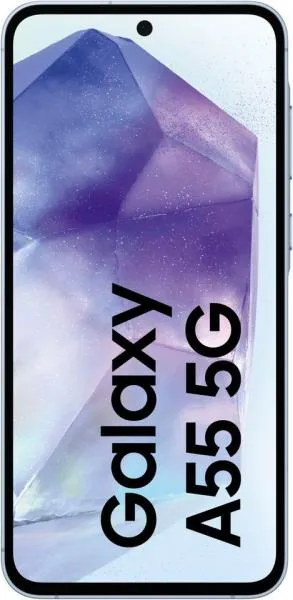
1. Specifications Comparison
| Feature | Xiaomi Redmi Note 12 4G | Samsung Galaxy A55 | Practical Impact |
|---|---|---|---|
| Design | |||
| Dimensions (mm) | 165.7 x 76 x 7.9 | 161.1 x 77.4 x 8.2 | A55 slightly shorter, wider, and thicker. Negligible difference in hand feel. |
| Weight (g) | 183.5 | 213 | Redmi noticeably lighter, reducing hand fatigue during extended use. |
| Build Material | Missing | Missing | Cannot compare build quality and durability. |
| Display | |||
| Display Type | AMOLED, 120Hz | Super AMOLED, 120Hz | Both offer smooth scrolling and animations thanks to 120Hz. Super AMOLED might offer slightly better contrast and outdoor visibility, but practical differences could be minor. |
| Display Size (inches) | 6.67 | 6.6 | Negligible difference in screen real estate. |
| Resolution | 1080 x 2400 | 1080 x 2340 | Virtually identical sharpness. |
| Peak Brightness (nits) | 1200 | 1000 (HBM), Missing standard peak brightness | Redmi's higher peak brightness should offer better visibility in direct sunlight. Lack of standard peak brightness data for A55 limits comparison. |
| HDR | No Dolby Vision, HDR10/10+ data missing | HDR10+ | A55 supports HDR10+ for enhanced video content on compatible platforms. Missing HDR data for Redmi limits full comparison. |
| Performance | |||
| Chipset | Snapdragon 685 (6nm) | Exynos 1480 (4nm) | A55's 4nm process and newer architecture likely translates to significantly better performance and power efficiency in demanding tasks and gaming. |
| CPU | Octa-core (4x2.8 GHz A73 & 4x1.9 GHz A53) | Octa-core (4x2.75 GHz A78 & 4x2.0 GHz A55) | A55 boasts more powerful CPU cores (A78 vs A73), leading to faster app loading, multitasking, and overall smoother performance. |
| GPU | Adreno 610 | Xclipse 530 | A55's GPU is expected to provide significantly better gaming performance and graphics rendering compared to the Redmi. |
| RAM | 4/6/8 GB | 8/12 GB | A55 offers more RAM in its base configuration, enabling better multitasking and preventing app closures in the background. |
| OS | Android 13 | Android 14 | A55 ships with a newer Android version and will receive longer software updates, ensuring security and access to new features. |
| Camera | |||
| Main Camera | 50MP, f/1.8 | 50MP, f/1.8, OIS | Both have same resolution, but A55 benefits from Optical Image Stabilization (OIS), resulting in sharper photos and videos, especially in low light and when recording video. |
| Video Recording | 1080p@30fps | 4K@30fps, 1080p@60fps | A55 offers superior video recording capabilities with higher resolution and frame rate options. |
| DXOMARK Score | 63 | 108 | A55 has significantly higher DXOMARK score, indicating superior overall camera quality. |
| Battery | |||
| Capacity | 5000 mAh | 5000 mAh | Similar battery capacity suggests comparable battery life. |
| Fast Charging | 33W | 25W | Redmi offers faster charging. |
2. Key Differences Analysis
Xiaomi Redmi Note 12 4G Advantages:
- Lighter: Easier to hold and use for extended periods.
- Faster Charging: Less downtime for charging.
- Potentially Lower Price: Depending on the specific RAM/storage configuration.
Samsung Galaxy A55 Advantages:
- Significantly Better Performance: Smoother multitasking, faster app loading, superior gaming due to a newer and more powerful chipset.
- Better Camera: OIS for sharper photos and videos, 4K video recording, higher DXOMARK score reflecting superior overall image quality.
- Longer Software Support: More Android updates and security patches, extending the phone's usable lifespan.
- 5G Connectivity: Offers faster download and upload speeds, lower latency in areas with 5G coverage.
3. User Profiles & Recommendations
Redmi Note 12 4G: Budget-conscious users who prioritize basic tasks like calling, messaging, social media browsing, and light photography. Suitable for users who value a lightweight phone and faster charging.
Samsung Galaxy A55: Users who demand smoother performance for demanding tasks, gaming, and multimedia consumption. Ideal for those who prioritize camera quality and longer software support. Best for users who need 5G connectivity.
4. Decision Framework
Key Questions:
- What is your budget? The Redmi is likely more affordable.
- What are your primary use cases? Gaming and demanding apps favor the A55. Basic tasks are well handled by both.
- How important are camera quality and long-term software updates? The A55 excels in these areas.
My Choice: Samsung Galaxy A55
While the Redmi Note 12 4G offers a lighter build and faster charging, the Samsung Galaxy A55 is the superior choice for me. The significantly improved performance from the Exynos 1480, coupled with the noticeably better camera system (OIS and 4K video), longer software support and 5G connectivity, outweigh the Redmi's advantages. The price difference is justifiable considering the substantial performance and feature upgrades. While I appreciate a lighter phone, the added weight of the A55 is not a deal-breaker given its overall superior package.
