1. Specifications Comparison
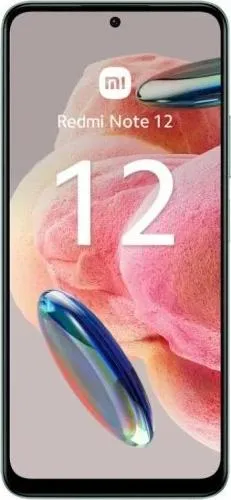
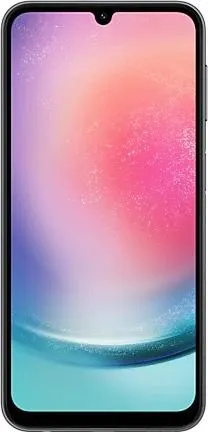
| Feature | Xiaomi Redmi Note 12 4G | Samsung Galaxy A24 4G | Practical Impact |
|---|---|---|---|
| Design | |||
| Dimensions (mm) | 165.7 x 76 x 7.9 | 162.1 x 77.6 x 8.3 | Redmi is slightly taller and thinner, Galaxy A24 slightly wider and thicker. Negligible difference in everyday use. |
| Weight (g) | 183.5 | 195 | Redmi is noticeably lighter, reducing hand fatigue during extended use. |
| Display | |||
| Display Type | AMOLED | Super AMOLED | Both offer vibrant colors and deep blacks. Marketing term "Super" doesn't guarantee a significantly better experience. |
| Display Size (inches) | 6.67 | 6.5 | Redmi offers slightly more screen real estate for media consumption. |
| Resolution (px) | 1080 x 2400 | 1080 x 2340 | Virtually identical sharpness due to similar pixel density. |
| Refresh Rate (Hz) | 120 | 90 | Redmi's 120Hz provides smoother scrolling and animations, enhancing perceived performance and gaming experience. |
| Peak Brightness (nits) | 1200 | 1000 | Redmi's higher peak brightness improves outdoor visibility in direct sunlight. |
| Performance | |||
| Chipset | Snapdragon 685 (6nm) | Helio G99 (6nm) | Both are mid-range chipsets. Helio G99 generally benchmarks slightly higher in CPU performance, while Snapdragon 685 may have a slight edge in GPU tasks. Real-world difference likely minimal for average users. |
| CPU | Octa-core (4x2.8 GHz Cortex-A73 & 4x1.9 GHz Cortex-A53) | Octa-core (2x2.2 GHz Cortex-A76 & 6x2.0 GHz Cortex-A55) | Helio G99's use of Cortex-A76 cores could offer better burst performance in demanding tasks. |
| GPU | Adreno 610 | Mali-G57 MC2 | Performance differences depend on specific tasks and game optimization. Expect comparable gaming performance in most titles. |
| RAM (GB) | 4/6/8 | 6/8 | More RAM options for Redmi allow users to choose based on their needs and budget. More RAM generally allows for smoother multitasking. |
| Camera | |||
| Main Camera (MP) | 50 | 50 | Megapixel count alone doesn't determine image quality. Need more sensor details for accurate comparison. |
| Video Recording | 1080p@30fps | 1080p@30fps with EIS | Galaxy A24 benefits from Electronic Image Stabilization (EIS) for smoother video recording. |
| Battery | |||
| Capacity (mAh) | 5000 | 5000 | Identical battery capacity suggests similar battery life, depending on usage patterns. |
| Fast Charging (W) | 33 | 25 | Redmi supports faster charging, reducing downtime. |
| Software | |||
| OS | Android 13 | Android 13 | Similar software experience out-of-the-box. |
| Max OS Version | 14 | 17 | Samsung commits to longer software updates, providing security and feature updates for a longer period. |
2. Key Differences Analysis
Xiaomi Redmi Note 12 4G Advantages:
- Higher Refresh Rate Display: Smoother user experience, especially noticeable in gaming and scrolling.
- Faster Charging: Less downtime spent charging.
- Lighter Weight: More comfortable for extended use.
- Brighter Display: Better visibility outdoors.
- More RAM options: Allows users to tailor the phone to their budget and performance needs.
Samsung Galaxy A24 4G Advantages:
- Electronic Image Stabilization (EIS): Smoother video recording.
- Longer Software Support: More years of security and feature updates.
- Slightly Better CPU Performance (Based on benchmarks): Potentially faster in demanding tasks, though real-world difference might be minimal.
3. User Profiles & Recommendations
Xiaomi Redmi Note 12 4G: Suitable for budget-conscious users who prioritize a smooth display experience, faster charging, and a lightweight design. Ideal for media consumption, gaming, and general use.
Samsung Galaxy A24 4G: Ideal for users who value software updates and stability, and prefer smoother video recording. Good choice for those who keep their phones for longer periods.
4. Decision Framework
Key Questions for Buyers:
- How important is long-term software support? If updates are crucial, the Galaxy A24 is the better choice.
- Is a smooth display experience a priority? Redmi's 120Hz display will be noticeable.
- What is your budget and required storage? The Redmi Note 12 offers broader configuration options.
My Choice: Samsung Galaxy A24 4G
While the Redmi Note 12 4G offers a compelling package with its 120Hz display and faster charging, the Samsung Galaxy A24 4G's significantly longer software support is the deciding factor for me. Receiving security and feature updates for a longer period ensures a more secure and up-to-date experience throughout the phone's lifespan. This, coupled with EIS for video recording, outweighs the benefits of the Redmi for my personal usage. I prioritize long-term value and stability over marginal performance or display improvements. Additionally, while benchmarks suggest a slight CPU advantage for the A24, real-world performance differences are likely to be minimal for my average use case.
