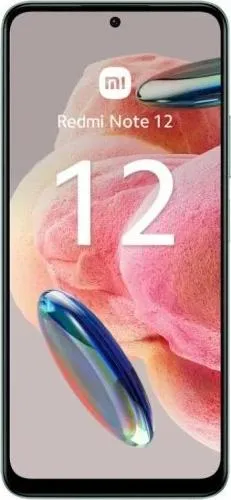
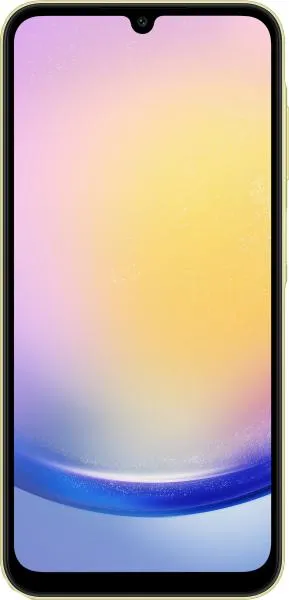
1. Specifications Comparison
| Feature | Xiaomi Redmi Note 12 4G | Samsung Galaxy A15 | Practical Impact |
|---|---|---|---|
| Design | |||
| Dimensions (mm) | 165.7 x 76 x 7.9 | 160.1 x 76.8 x 8.4 | Redmi is slightly taller and thinner, Galaxy A15 slightly wider and thicker. Negligible difference in hand feel. |
| Weight (g) | 183.5 | 200 | Redmi is noticeably lighter, reducing hand fatigue during extended use. |
| Display | |||
| Display Type | AMOLED, 120Hz | Super AMOLED, 90Hz | Both offer vibrant colors and deep blacks. Redmi's 120Hz provides smoother scrolling and animations. |
| Peak Brightness (nits) | 1200 | 800 | Redmi's display is significantly brighter, improving outdoor visibility. |
| Size (inches) | 6.67 | 6.5 | Redmi offers a slightly larger screen for more immersive content consumption. |
| Resolution | 1080 x 2400 | 1080 x 2340 | Virtually identical sharpness due to similar pixel density. |
| Performance | |||
| Chipset | Snapdragon 685 (6nm) | Mediatek Helio G99 (6nm) | Helio G99 generally benchmarks slightly higher in CPU performance, offering potentially faster app loading and multitasking. |
| CPU | Octa-core (4x2.8 GHz Cortex-A73 & 4x1.9 GHz Cortex-A53) | Octa-core (2x2.2 GHz Cortex-A76 & 6x2.0 GHz Cortex-A55) | Different core configurations; G99's A76 cores provide better burst performance. |
| GPU | Adreno 610 | Mali-G57 MC2 | Mali-G57 MC2 generally offers better gaming performance than Adreno 610. |
| RAM | 4/6/8GB | 4/6/8GB | Both offer various RAM options for different multitasking needs. |
| OS | Android 13 | Android 14 | Galaxy A15 ships with a newer Android version and will likely receive longer software updates. |
| Camera | |||
| Main Camera | 50MP | 50MP | Similar resolution, but image quality depends on sensor and processing, which is unclear from provided data. |
| Video Recording | 1080p@30fps | 1080p@30fps | Identical video resolution and frame rate. Galaxy A15 lists 240fps slow-mo, indicating potential advantages in video features. |
| Battery | |||
| Capacity | 5000 mAh | 5000 mAh | Identical battery capacity, expected similar battery life depending on usage. |
| Fast Charging | 33W | 25W | Redmi charges faster, minimizing downtime. |
2. Key Differences Analysis
Xiaomi Redmi Note 12 4G Advantages:
- Brighter Display: Significantly brighter for better outdoor visibility.
- Faster Refresh Rate: Smoother scrolling and animations with 120Hz.
- Faster Charging: Reduces charging time with 33W fast charging.
- Lighter Weight: More comfortable for extended use.
Samsung Galaxy A15 Advantages:
- Newer Android Version & Longer Update Support: More up-to-date software with potentially longer security and feature updates.
- Slightly Better Performance (CPU & GPU): Potentially faster app loading, multitasking, and gaming due to the Helio G99 chipset.
- Potentially Better Video Features: Specification indicates 240fps slow motion capability.
3. User Profiles & Recommendations
Redmi Note 12 4G: Users prioritizing media consumption (videos, games) in bright environments, and those sensitive to phone weight. Excellent value for its price.
Samsung Galaxy A15: Users prioritizing longer software support, slightly better overall performance for everyday tasks and gaming, and possibly better slow-motion video.
4. Decision Framework
Key Questions for Buyers:
- How important is software update longevity?
- Is a brighter display and faster refresh rate crucial?
- What is your budget and which phone offers better value for the price in your region? Price comparison across regions is crucial due to fluctuations.
My Choice:
I would choose the Xiaomi Redmi Note 12 4G. The brighter display and 120Hz refresh rate are significant factors for my personal preference, as I value a smooth and vibrant visual experience. The faster charging is also a plus. While the Galaxy A15 offers a newer Android version and potentially longer updates, and a slight performance advantage, these are less critical for me compared to the Redmi's superior display and charging speed. The lower weight of the Redmi is also appealing. Ultimately, the Redmi Note 12 4G offers a better combination of features that I prioritize for a slightly lower price, making it the better value proposition for me. However, users who highly value longevity and consistent performance might prefer the A15.
