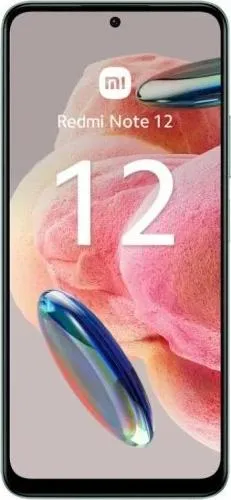
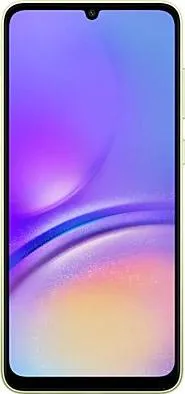
1. Specifications Comparison
| Feature | Xiaomi Redmi Note 12 4G | Samsung Galaxy A05 | Practical Impact |
|---|---|---|---|
| Design | |||
| Dimensions (mm) | 165.7 x 76 x 7.9 | 168.8 x 78.2 x 8.8 | Redmi Note 12 is slightly smaller and thinner. |
| Weight (g) | 183.5 | 195 | Redmi Note 12 is noticeably lighter, improving one-handed use. |
| Build | Not specified | Not specified | Build quality and materials cannot be compared. |
| Display | |||
| Display Type | AMOLED, 120Hz | PLS LCD | Redmi's AMOLED offers richer colors, deeper blacks, and better power efficiency in dark mode. 120Hz provides smoother scrolling and animations. |
| Display Size (inches) | 6.67 | 6.7 | Negligible size difference. |
| Resolution | 1080 x 2400 | 720 x 1600 | Redmi Note 12 has a significantly sharper display, resulting in clearer text and images. |
| Pixel Density (PPI) | 395 | 262 | Redmi Note 12's higher PPI translates to a noticeably sharper and more detailed display. |
| Peak Brightness (nits) | 1200 | Not specified | Redmi Note 12 likely offers better outdoor visibility, but a direct comparison is impossible without the A05's peak brightness. |
| Performance | |||
| Chipset | Snapdragon 685 (6nm) | Helio G85 (12nm) | Redmi Note 12's 6nm process likely offers better power efficiency. Performance differences require further benchmarking analysis. |
| CPU | Octa-core (4x2.8 GHz Cortex-A73 & 4x1.9 GHz Cortex-A53) | Octa-core (2x2.0 GHz Cortex-A75 & 6x1.8 GHz Cortex-A55) | Different core architectures make direct performance comparisons difficult without benchmarks. Redmi's higher clock speed on performance cores suggests better burst performance. |
| GPU | Adreno 610 | Mali-G52 MC2 | Gaming performance differences require further benchmarking analysis. |
| RAM | 4/6/8GB | 4/6GB | More RAM options on the Redmi Note 12 cater to users needing better multitasking. |
| Camera | |||
| Rear Camera | 50MP Main, 8MP Wide, 2MP Macro | 50MP Main, 2MP Depth | Both have a 50MP main camera, but the Redmi offers a wider field of view with its ultrawide lens, while the A05 has a dedicated depth sensor potentially improving portrait mode. |
| Front Camera | 13MP | 8MP | Redmi Note 12 has a higher resolution front camera, potentially resulting in better selfie quality. |
| Video Recording | 1080p@30fps | 1080p@30/60fps | A05 offers 60fps recording for smoother video. |
| Battery | |||
| Capacity | 5000 mAh | 5000 mAh | Similar battery capacities suggest comparable battery life, although real-world usage may vary. |
| Charging | 33W Fast Charging | 25W Fast Charging | Redmi Note 12 charges faster. |
2. Key Differences Analysis
Xiaomi Redmi Note 12 4G Advantages:
- Superior Display: AMOLED with 120Hz refresh rate provides a smoother, more vibrant, and responsive visual experience.
- Sharper Display: Higher resolution and pixel density result in significantly clearer content.
- Faster Charging: 33W fast charging reduces downtime.
- More RAM Options: Caters to power users and ensures smoother multitasking.
- NFC: Enables contactless payments and other convenient features.
Samsung Galaxy A05 Advantages:
- Potentially Lower Price: Positioned in a lower price range.
- 60fps Video Recording: Smoother video capture.
- Bluetooth 5.3: Slightly newer Bluetooth version with potential improvements in range and efficiency. Though practical differences compared to 5.0 are often negligible.
3. User Profiles & Recommendations
Xiaomi Redmi Note 12 4G: Suitable for users who prioritize display quality, performance, faster charging, and NFC functionality. Ideal for media consumption, gaming, and general multitasking.
Samsung Galaxy A05: Best suited for budget-conscious users who prioritize basic functionality and longer video recording capabilities. Good for casual users who mainly use their phones for calling, texting, and social media.
4. Decision Framework
Key Questions for Buyers:
- What is your budget? The Galaxy A05 is likely more affordable.
- How important is display quality? The Redmi Note 12 significantly outperforms in this area.
- What are your primary use cases? Gaming and media consumption favor the Redmi Note 12, while basic usage might make the A05 sufficient.
My Choice: Xiaomi Redmi Note 12 4G
While the Samsung Galaxy A05 offers a lower price point, the Xiaomi Redmi Note 12 4G provides significantly more value for the likely price difference. The superior display (AMOLED, 120Hz, higher resolution), faster charging, NFC functionality, and potentially better performance make it a more compelling overall package. The benefits in daily use from the smoother display, sharper visuals, and faster charging outweigh the marginal cost savings of the A05, especially for media consumption, gaming, and multitasking. The lack of specific brightness and detailed CPU/GPU information for the A05 makes a definitive performance comparison challenging, but the available data strongly favors the Redmi Note 12.
