
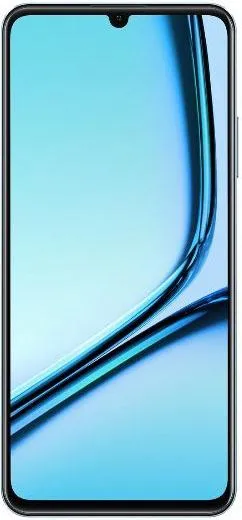
1. Specifications Comparison
| Feature | Xiaomi Redmi Note 12 4G | Realme Note 50 | Practical Impact |
|---|---|---|---|
| Design | |||
| Dimensions (mm) | 165.7 x 76 x 7.9 | 167.2 x 76.7 x 8 | Redmi is slightly smaller and thinner. Negligible difference in hand feel. |
| Weight (g) | 183.5 | 186 | Virtually identical weight. |
| Build | Unspecified | Unspecified | Material differences unknown, impacting durability and premium feel. |
| Display | |||
| Display Type | AMOLED, 120Hz | IPS LCD, 90Hz | Redmi offers significantly better contrast, colors, and smoother scrolling with AMOLED and 120Hz. Realme's LCD will be less vibrant and less responsive. |
| Resolution | 1080 x 2400 | 720 x 1600 | Redmi has a much sharper display, resulting in clearer text and images. Realme's lower resolution will appear pixelated. |
| Pixel Density (PPI) | 395 | 260 | Reinforces Redmi's sharpness advantage. |
| Peak Brightness (nits) | 1200 | 560 | Redmi will be much more visible in direct sunlight. Realme's display might be difficult to see outdoors. |
| Performance | |||
| Chipset | Snapdragon 685 (6nm) | Unisoc Tiger T612 (12nm) | Redmi's Snapdragon chip is more powerful and power-efficient due to the smaller manufacturing process. Expect smoother multitasking and better gaming performance on the Redmi. |
| CPU | Octa-core (4x2.8 GHz Cortex-A73 & 4x1.9 GHz Cortex-A53) | Octa-core (2x1.8 GHz Cortex-A75 & 6x1.8 GHz Cortex-A55) | Redmi's CPU configuration offers a better balance of performance and efficiency. |
| GPU | Adreno 610 | Mali-G57 | While Mali-G57 is newer architecture, the Adreno 610 coupled with the superior CPU will likely deliver better real-world gaming performance in the Redmi. |
| RAM | 4/6/8GB | 3/4GB | Redmi offers higher RAM configurations, improving multitasking capabilities. |
| Camera | |||
| Main Camera | 50MP, f/1.8 | 13MP, f/2.2 | Redmi boasts significantly higher resolution and a wider aperture, leading to better low-light performance and potentially more detailed photos. |
| Secondary Cameras | 8MP ultrawide, 2MP macro | 2MP B&W | Redmi offers a more versatile ultrawide lens. The practical use of a B&W sensor on the Realme is questionable. |
| Battery | |||
| Capacity | 5000 mAh | 5000 mAh | Identical battery capacity. |
| Fast Charging | 33W | 10W | Redmi charges significantly faster, minimizing downtime. |
2. Key Differences Analysis
Redmi Note 12 4G Advantages:
- Superior Display: AMOLED with 120Hz refresh rate provides a dramatically better visual experience.
- Stronger Performance: Snapdragon 685 and more RAM deliver smoother overall performance.
- Better Camera: 50MP main sensor and ultrawide lens offer versatility and improved image quality.
- Faster Charging: 33W fast charging significantly reduces charging time.
- NFC: Enables contactless payments and other convenient features.
Realme Note 50 Advantages:
- Lower Price: Positions itself in a more budget-friendly category.
Trade-offs:
- Realme sacrifices display quality, performance, camera capabilities, and charging speed for a lower price.
3. User Profiles & Recommendations
Redmi Note 12 4G: Users who value a smooth and responsive experience, a vibrant display, a good camera, and faster charging. Suitable for multimedia consumption, gaming, and general use.
Realme Note 50: Users on a tight budget who prioritize basic functionality over premium features. Best for simple tasks like calling, texting, and browsing.
4. Decision Framework
Key Questions:
- What is your budget? The Realme is significantly cheaper.
- How important is display quality and performance? The Redmi excels in these areas.
- What are your primary use cases? Gaming and media consumption favor the Redmi. Basic use might suffice with the Realme.
My Choice: Xiaomi Redmi Note 12 4G
While the Realme Note 50 offers a lower price, the Redmi Note 12 4G provides significantly better value for the money. The superior display, performance, camera, and faster charging drastically enhance the user experience. The price difference is justified by these substantial improvements. The Redmi's AMOLED display and 120Hz refresh rate alone create a vastly more enjoyable user experience for everyday tasks and multimedia consumption. For a relatively small increase in price, the Redmi delivers a far more compelling package.
