1. Specifications Comparison
| Feature | Xiaomi Redmi Note 12 4G | Realme C61 | Practical Impact |
|---|---|---|---|
| Design | |||
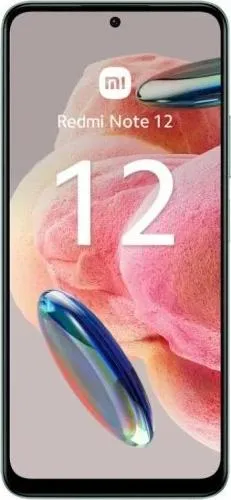
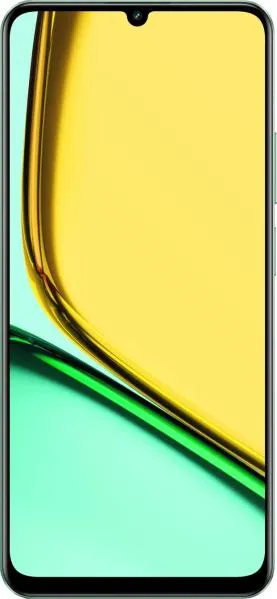
| Dimensions (mm) | 165.7 x 76 x 7.9 | 167.3 x 76.7 x 7.8 | Redmi is slightly smaller and thinner. Negligible difference in daily use. |
| Weight (g) | 183.5 | 188 | Virtually identical weight, unlikely to be noticeable. |
| Build Material | Missing | Missing | Cannot compare build quality and durability. |
| Display | |||
| Display Type | AMOLED, 120Hz | IPS LCD, 90Hz | Redmi offers significantly better contrast, deeper blacks, and smoother scrolling due to AMOLED and higher refresh rate. |
| Resolution | 1080 x 2400 | 720 x 1600 | Redmi has much sharper visuals due to higher resolution. Realme's display will appear pixelated in comparison. |
| Size (inches) | 6.67 | 6.74 | Realme has a slightly larger screen, but the Redmi's superior resolution makes it more enjoyable for media consumption. |
| PPI | 395 | 260 | Redmi's significantly higher PPI results in sharper text and images. |
| Peak Brightness (nits) | 1200 | Missing (stated as 560 nits HBM) | Redmi likely performs better in direct sunlight, though specific peak brightness for Realme is unclear. |
| Performance | |||
| Chipset | Snapdragon 685 (6nm) | Unisoc Tiger T612 (12nm) | Redmi's Snapdragon chip offers generally better performance and efficiency due to superior architecture and smaller manufacturing process. |
| CPU | Octa-core (4x2.8 GHz Cortex-A73 & 4x1.9 GHz Cortex-A53) | Octa-core (2x1.8 GHz Cortex-A75 & 6x1.8 GHz Cortex-A55) | Redmi's CPU configuration likely provides a better balance of performance and efficiency. Realme's use of older Cortex-A75 cores might not translate to real-world advantages. |
| GPU | Adreno 610 | Mali-G57 MP1 | Redmi's GPU is likely more powerful, enabling smoother gaming and graphics rendering. |
| RAM | 4/6/8GB | 6/8GB | Both offer ample RAM for multitasking, but Redmi offers a 4GB option for budget-conscious users. |
| Camera | |||
| Main Camera | 50MP | 32MP | Redmi has a higher resolution main sensor potentially capturing more detail. Image quality depends on processing, which cannot be compared solely on megapixels. |
| Other Cameras | 8MP ultrawide, 2MP macro | 2MP depth, 5MP selfie | Redmi offers a more versatile camera setup with an ultrawide lens. Realme has a dedicated depth sensor, but its practical benefit is questionable. |
| Video Recording | 1080p@30fps | 1080p@30fps | Identical video recording capabilities. |
| Battery | |||
| Capacity | 5000 mAh | 5000 mAh | Identical battery capacity. Real-world battery life will depend on software optimization and usage patterns. |
| Charging | 33W fast charging | 45W fast charging | Realme offers faster charging. |
| Other | Reverse Charging | Redmi can charge other devices. |
2. Key Differences Analysis
Redmi Note 12 4G Advantages:
- Superior Display: Significantly better display quality due to AMOLED technology, higher resolution, and faster refresh rate.
- Better Performance: More powerful and efficient processor and GPU.
- More Versatile Camera: Inclusion of an ultrawide lens.
- Reverse Charging: Can charge other devices.
Realme C61 Advantages:
- Faster Charging: Significantly faster charging speeds (45W vs. 33W).
- Potentially Lower Price: Positioned in a lower price bracket.
3. User Profiles & Recommendations
Redmi Note 12 4G: Users who prioritize display quality, performance, and camera versatility. Suitable for media consumption, gaming, and general use.
Realme C61: Budget-conscious users who prioritize fast charging and a large screen size. Acceptable for basic tasks and less demanding users.
4. Decision Framework
Key Questions:
- What is your budget? The Realme C61 is likely cheaper.
- What is most important to you in a smartphone? (e.g., display, performance, camera, battery life, charging speed).
- What are your primary use cases? (e.g., social media, gaming, photography, web browsing).
Scenario-Based Recommendations:
- Tight Budget, Basic Use: Realme C61
- Balanced Needs, Value for Money: Redmi Note 12 4G
- Prioritize Display and Performance: Redmi Note 12 4G
My Choice: Xiaomi Redmi Note 12 4G
Why: The Redmi Note 12 4G offers a significantly better user experience due to its superior display, performance, and more versatile camera. While the Realme C61 has faster charging, the trade-offs in display quality and performance are too significant for me. The slightly higher price of the Redmi is justified by the noticeable improvements in key areas that impact daily usage. A good display and smooth performance contribute heavily to overall satisfaction, making the Redmi Note 12 4G the better choice in my opinion.
