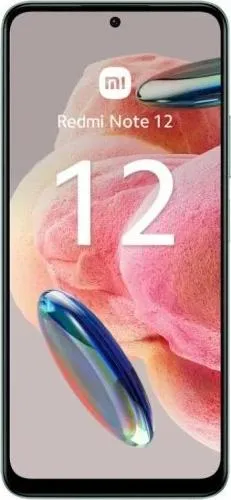
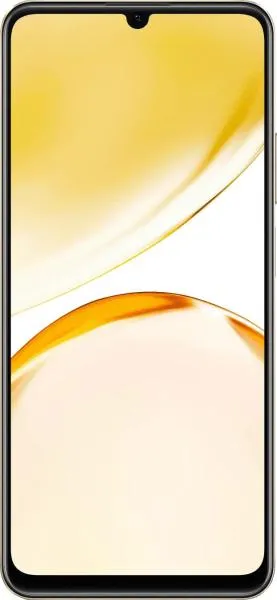
1. Specifications Comparison
| Feature | Xiaomi Redmi Note 12 4G | Realme C53 | Practical Impact |
|---|---|---|---|
| Design | |||
| Dimensions (mm) | 165.7 x 76 x 7.9 | 167.3 x 76.7 x 7.5 | Redmi is slightly smaller and thinner. Negligible difference in hand feel. |
| Weight (g) | 183.5 | 182 | Virtually identical weight. |
| Build | Unspecified | Unspecified | Build quality and materials cannot be compared due to missing information. |
| Display | |||
| Display Type | AMOLED, 120Hz | IPS LCD, 90Hz | Redmi's AMOLED offers richer colors, deeper blacks, and better power efficiency in dark mode. 120Hz provides smoother scrolling and animations compared to 90Hz on the Realme. |
| Display Size (inches) | 6.67 | 6.74 | Realme has a slightly larger display. |
| Resolution | 1080 x 2400 | 1080 x 2400 | Identical resolution, but Redmi has a higher pixel density (395 ppi vs. 390 ppi) due to slightly smaller screen size, leading to sharper text and images. |
| Peak Brightness (nits) | 1200 | 560 | Redmi's significantly higher peak brightness ensures better visibility outdoors and in bright conditions. |
| Performance | |||
| Chipset | Snapdragon 685 (6nm) | Unisoc Tiger T612 (12nm) | Snapdragon 685 generally offers better performance and efficiency due to a more advanced manufacturing process (6nm vs 12nm). |
| CPU | Octa-core (4x2.8 GHz Cortex-A73 & 4x1.9 GHz Cortex-A53) | Octa-core (2x1.8 GHz Cortex-A75 & 6x1.8 GHz Cortex-A53) | Redmi's CPU configuration with faster Cortex-A73 cores likely provides better performance in demanding tasks. |
| GPU | Adreno 610 | Mali-G57 | Adreno 610 generally offers better gaming performance compared to the Mali-G57. |
| RAM | 4/6/8GB | 6/8GB | Both offer sufficient RAM for multitasking, but the Redmi provides a lower-cost 4GB option. |
| Storage | 64/128/256GB | 128/256GB | Similar storage options, but Redmi offers a smaller 64GB variant for budget-conscious users. |
| Camera | |||
| Main Camera | 50MP, f/1.8 | 50MP, f/1.8 | Similar main camera specifications on paper, but image quality can vary significantly depending on sensor and image processing. No information on sensor specifics for the Realme makes comparison difficult. |
| Other Cameras | 8MP ultrawide, 2MP macro, 13MP selfie | 2MP depth, 8MP selfie | Redmi offers a more versatile camera setup with an ultrawide lens. |
| Battery | |||
| Capacity | 5000 mAh | 5000 mAh | Identical battery capacity. |
| Charging | 33W fast charging | 33W fast charging | Similar charging speeds. |
| Other | |||
| NFC | Yes | No | Redmi supports NFC for contactless payments and other functionalities. |
| OS Updates | Up to Android 14 | Unspecified maximum Android Version | Redmi has a clearer update path. |
2. Key Differences Analysis
Redmi Note 12 4G Advantages:
- Superior Display: AMOLED with 120Hz refresh rate provides a significantly better visual experience.
- Better Performance: Snapdragon 685 and Adreno 610 offer smoother performance for gaming and multitasking.
- More Versatile Camera: Ultrawide lens adds flexibility for photography.
- NFC: Enables contactless payments and other convenient features.
- Confirmed OS Updates: Guaranteed update to Android 14.
Realme C53 Advantages:
- Slightly Larger Display: Offers marginally more screen real estate.
- Potentially Lower Price: Depending on the specific variant, it might offer a slightly lower entry price for higher storage options.
3. User Profiles & Recommendations
Redmi Note 12 4G: Suited for users who prioritize display quality, performance, camera versatility, and features like NFC. Ideal for media consumption, gaming, and mobile photography.
Realme C53: Best for budget-conscious users who prioritize a large display and long battery life but are less demanding in terms of performance and camera features. Suitable for basic tasks like browsing, social media, and calling.
4. Decision Framework
Key Questions for Buyers:
- How important is display quality and smoothness?
- What is your budget and storage requirement?
- Do you need NFC for contactless payments?
My Choice: Xiaomi Redmi Note 12 4G
The Redmi Note 12 4G offers a significantly better overall package due to its superior AMOLED display, smoother performance, more versatile camera system, and inclusion of NFC. While the Realme C53 might be slightly cheaper in some configurations, the advantages of the Redmi Note 12 4G in terms of user experience outweigh the marginal price difference. The confirmed OS update path also provides longer-term value. For me, the display and performance differences alone are significant enough to justify choosing the Redmi.
