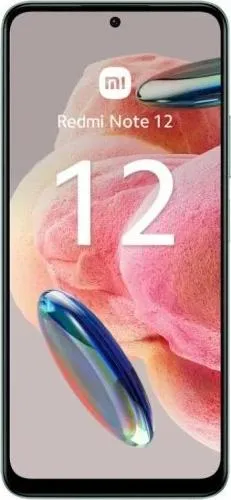
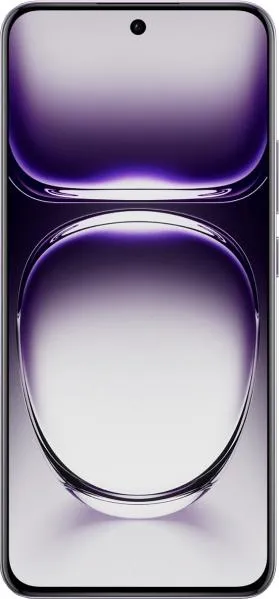
1. Specifications Comparison
| Feature | Xiaomi Redmi Note 12 4G | Oppo Reno12 Pro | Practical Impact |
|---|---|---|---|
| Design | |||
| Dimensions (mm) | 165.7 x 76 x 7.9 | 161.5 x 74.8 x 7.4 | Reno12 Pro is slightly smaller and thinner, potentially improving one-handed usability. |
| Weight (g) | 183.5 | 180 | Negligible weight difference. |
| Fingerprint Sensor | Side-mounted | Under-display | Preference-based; under-display is often considered more modern. |
| Display | |||
| Display Size (inches) | 6.67 | 6.7 | Virtually identical screen sizes. |
| Resolution (pixels) | 1080 x 2400 | 1080 x 2412 | Negligible resolution difference; both offer sharp visuals. |
| Panel Type | AMOLED, 120Hz | AMOLED, 120Hz, 1B colors, HDR10+ | Reno12 Pro supports HDR10+ for better dynamic range and potentially more vibrant colors thanks to the 10-bit color depth (1B colors). Its higher peak brightness (1400 nits vs 1200 nits) will make it more usable in direct sunlight. |
| Refresh Rate (Hz) | 120 | 120 | Both offer smooth scrolling and animations. |
| Performance | |||
| Chipset | Snapdragon 685 (6nm) | Dimensity 7300 (4nm) | Reno12 Pro's 4nm chipset and more powerful CPU cores will likely offer significantly better performance and efficiency. |
| CPU | Octa-core (4x2.8 GHz A73 & 4x1.9 GHz A53) | Octa-core (4x2.5 GHz A78 & 4x2.0 GHz A55) | Reno12 Pro utilizes newer and faster Cortex-A78 cores. |
| GPU | Adreno 610 | Mali-G615 MC2 | Reno12 Pro likely provides superior graphics performance. Specific benchmarks are needed for definitive comparison. |
| RAM | 4/6/8GB | 12GB | Significantly more RAM in the Reno12 Pro enables smoother multitasking and better handling of demanding applications. |
| Camera | |||
| Main Camera (MP) | 50 | 50 | Similar megapixel count, but sensor quality and other factors impact image quality. |
| Other Cameras | 8MP Wide, 2MP Macro | 8MP Wide, 50MP Telephoto | Reno12 Pro offers a dedicated telephoto lens for optical zoom, a significant advantage over the Redmi Note 12's macro lens. |
| Video Recording | 1080p@30fps | Up to 4K@30fps, Slow-mo up to 960fps | Reno12 Pro significantly outperforms in video recording capabilities with higher resolution and slow-motion options. It also features OIS and EIS for stable footage. |
| Battery | |||
| Capacity (mAh) | 5000 | 5000 | Identical battery capacity. |
| Fast Charging (W) | 33 | 80 | Reno12 Pro offers significantly faster charging. |
2. Key Differences Analysis
Xiaomi Redmi Note 12 4G Advantages:
- Potentially Lower Price: Likely more affordable given the specifications.
Oppo Reno12 Pro Advantages:
- Significantly Better Performance: Due to a more powerful chipset, CPU, GPU, and more RAM.
- Superior Camera System: Telephoto lens, higher resolution video recording (4K@30fps), and optical image stabilization (OIS).
- Faster Charging: 80W fast charging significantly reduces charging time.
- Better Display: HDR10+ support and higher peak brightness.
- More Recent Software: Ships with Android 14 with longer update support.
3. User Profiles & Recommendations
Xiaomi Redmi Note 12 4G: Budget-conscious users who prioritize basic functionality (calling, texting, web browsing, social media). Not recommended for demanding tasks like gaming or professional photography/videography.
Oppo Reno12 Pro: Users who value performance, a high-quality camera, and fast charging. Ideal for mobile gaming, content creation, and power users.
4. Decision Framework
Key Questions for Buyers:
- What is your budget? The Redmi Note 12 will be considerably cheaper.
- What are your primary smartphone usage patterns? Basic tasks vs. demanding applications and content creation.
- How important are camera quality and charging speed?
My Choice: Oppo Reno12 Pro
While the Redmi Note 12 4G might be a good budget option, the Reno12 Pro offers substantial upgrades in performance, camera capabilities, display quality, and charging speed. The Dimensity 7300, coupled with 12GB RAM, ensures a smooth and future-proof experience. The inclusion of a telephoto lens and significantly improved video recording capabilities greatly enhances the camera system's versatility. The faster charging is a major convenience. These advantages outweigh the likely price difference for me, making the Reno12 Pro a more compelling overall package. The longer software support also adds to its value in the long run.
