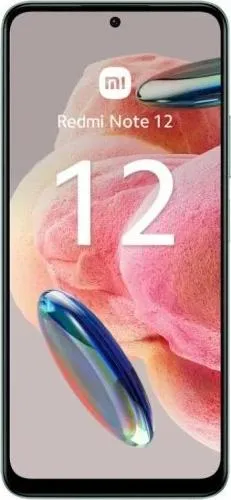

1. Specifications Comparison
| Feature | Xiaomi Redmi Note 12 4G | Oppo Reno12 | Practical Impact |
|---|---|---|---|
| Design | |||
| Dimensions (mm) | 165.7 x 76 x 7.9 | 161.4 x 74.1 x 7.6 | Oppo Reno12 is slightly smaller and thinner, potentially offering a better hand feel. |
| Weight (g) | 183.5 | 177 | Oppo Reno12 is noticeably lighter, improving one-handed use. |
| Fingerprint Sensor | Side-mounted | Under-display | Personal preference; under-display is often considered more modern. |
| Display | |||
| Display Size (inches) | 6.67 | 6.7 | Negligible size difference. |
| Resolution | 1080 x 2400 | 1080 x 2412 | Virtually identical resolutions; sharpness will be similar. |
| Display Type | AMOLED, 120Hz | AMOLED, 120Hz | Both offer smooth scrolling and vibrant colors thanks to AMOLED and 120Hz. |
| Peak Brightness (nits) | 1200 | 1400 | Oppo Reno12 should offer better visibility in direct sunlight. |
| HDR | No Dolby Vision, HDR10/10+ data missing | HDR10+ | Oppo Reno12 supports HDR10+ for enhanced video content. |
| Color Depth | Not specified | 1B | Oppo Reno 12 offers a wider color gamut, leading to more accurate and vibrant colors. |
| Performance | |||
| Chipset | Snapdragon 685 (6nm) | Dimensity 7300 (4nm) | Dimensity 7300 provides significantly better performance and efficiency due to the smaller process node and newer architecture. |
| CPU | Octa-core (4x2.8 GHz Cortex-A73 & 4x1.9 GHz Cortex-A53) | Octa-core (4x2.5 GHz Cortex-A78 & 4x2.0 GHz Cortex-A55) | Reno12 has more powerful CPU cores (Cortex-A78 vs A73), translating to faster app loading and multitasking. |
| GPU | Adreno 610 | Mali-G615 MC2 | Mali-G615 MC2 generally performs better in graphics-intensive tasks like gaming. |
| RAM | 4/6/8GB | 12GB | Reno12 offers substantially more RAM, ensuring smoother multitasking and preventing apps from closing in the background. |
| Camera | |||
| Main Camera | 50MP, f/1.8 | 50MP, f/1.8, OIS | Similar resolution; however, Reno12 benefits from Optical Image Stabilization (OIS) for sharper photos and videos, especially in low light. |
| Video Recording | 1080p@30fps | Up to 4K@30fps, Slow-mo up to 960fps | Reno12 boasts significantly better video recording capabilities with higher resolution, frame rates, and slow-motion options. |
| Battery | |||
| Capacity | 5000mAh | 5000mAh | Similar battery capacities. |
| Fast Charging | 33W | 80W | Reno12 charges significantly faster, minimizing downtime. |
2. Key Differences Analysis
Xiaomi Redmi Note 12 4G Advantages:
- Potentially Lower Price: Given the older chipset and less powerful features, it is likely priced lower than the Reno12.
Oppo Reno12 Advantages:
- Significantly Better Performance: The Dimensity 7300, coupled with 12GB RAM, delivers a substantial performance advantage for demanding tasks and gaming.
- Enhanced Camera Capabilities: OIS, higher resolution video recording (4K), and slow-motion capabilities make the Reno12 a much better choice for photography and videography enthusiasts.
- Faster Charging: 80W fast charging drastically reduces charging time compared to the 33W on the Redmi Note 12.
- Brighter Display: Offers better outdoor visibility.
- More Modern Design: Slightly lighter and thinner with an under-display fingerprint sensor.
Trade-offs:
- Price: The Oppo Reno12 is likely significantly more expensive.
3. User Profiles & Recommendations
Xiaomi Redmi Note 12 4G: Budget-conscious users who prioritize basic functionality: calling, texting, social media browsing, and light gaming.
Oppo Reno12: Users who demand high performance for gaming, multitasking, and media consumption. Photography and videography enthusiasts will also appreciate the superior camera features.
4. Decision Framework
Key Questions for Buyers:
- What is your budget? The Reno12 will command a premium price.
- What are your primary smartphone usage patterns? Heavy gaming, multitasking, and media consumption favor the Reno12.
- How important is camera quality and fast charging? The Reno12 offers substantial improvements in both areas.
My Choice: Oppo Reno12
While pricing information isn't complete enough to make a definitive value judgement, the Oppo Reno12 is the superior device in almost every aspect. The significantly improved performance, camera capabilities (especially with OIS), faster charging, and brighter display outweigh the likely price difference for me. The performance difference between the Snapdragon 685 and the Dimensity 7300 is substantial, especially for future-proofing. The 80W fast charging is a huge convenience. While the Redmi Note 12 4G is a decent budget option, the Reno12 offers a significant leap in user experience. Unless budget is an extremely tight constraint, the Reno12 is the better long-term investment.
