
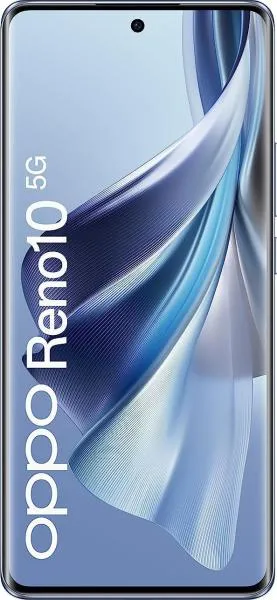
1. Specifications Comparison
| Feature | Xiaomi Redmi Note 12 4G | Oppo Reno10 | Practical Impact |
|---|---|---|---|
| Design | |||
| Dimensions (mm) | 165.7 x 76 x 7.9 | 162.4 x 74.2 x 8 | Reno10 slightly shorter and narrower, negligible difference in thickness. |
| Weight (g) | 183.5 | 185 | Virtually identical weight, no noticeable difference in hand. |
| Fingerprint Sensor | Side-mounted | Under-display | Preference-based, under-display often perceived as more premium. |
| Display | |||
| Size (inches) | 6.67 | 6.7 | Negligible size difference. |
| Resolution | 1080 x 2400 | 1080 x 2412 | Nearly identical resolution, sharpness will be similar. |
| Type | AMOLED, 120Hz | AMOLED, 120Hz | Both offer smooth scrolling and animations due to 120Hz. |
| Peak Brightness (nits) | 1200 | 950 | Redmi Note 12 brighter in direct sunlight. |
| HDR | No HDR10/10+ | HDR10+ | Reno10 offers better contrast and color accuracy in HDR content. |
| Color Depth | Not specified | 1B colors | Reno10 capable of displaying a wider range of colors, resulting in more vibrant visuals. |
| Performance | |||
| Chipset | Snapdragon 685 (6nm) | Dimensity 7050 (6nm) | Dimensity 7050 generally offers better CPU performance, especially in multi-core tasks. |
| CPU | Octa-core (4x2.8 GHz A73 & 4x1.9 GHz A53) | Octa-core (2x2.6 GHz A78 & 6x2.0 GHz A55) | Reno10 has more powerful cores (A78) leading to better performance in demanding applications. |
| GPU | Adreno 610 | Mali-G68 MC4 | Mali-G68 MC4 generally provides better gaming performance. |
| RAM | 4/6/8GB | 8GB | Reno10 offers more RAM in this comparison, enabling better multitasking. |
| Camera | |||
| Main Camera | 50MP | 64MP | Reno10's higher resolution main camera may offer slightly more detail in good lighting. |
| Ultrawide | 8MP | 8MP | Similar ultrawide capabilities. |
| Telephoto | 2MP Macro | 32MP Telephoto | Reno10 offers a dedicated telephoto lens for optical zoom, significantly better than a low-resolution macro lens. |
| Video Recording | 1080p@30fps | 4K@30fps, 1080p@ up to 480fps | Reno10 significantly better for video recording with 4K and high frame rate slow-motion. |
| Battery | |||
| Capacity | 5000 mAh | 5000 mAh | Identical battery capacity. |
| Fast Charging | 33W | 67W | Reno10 charges significantly faster. |
2. Key Differences Analysis
Xiaomi Redmi Note 12 4G Advantages:
- Brighter Display: Better visibility outdoors.
- Lower Price: Offers good value for its price range (based on provided data).
Oppo Reno10 Advantages:
- Superior Performance: Better CPU and GPU for smoother multitasking and gaming.
- Enhanced Camera System: Dedicated telephoto lens, 4K video recording, and higher resolution sensors.
- Faster Charging: Significantly reduced charging times.
- Wider Color Gamut: More vibrant and accurate colors on display.
3. User Profiles & Recommendations
Xiaomi Redmi Note 12 4G: Budget-conscious users prioritizing basic tasks like social media, browsing, and casual photography.
Oppo Reno10: Users who value performance, a versatile camera system for photography and videography, faster charging, and a more color-rich display. Suitable for mobile gaming, content creation, and demanding applications.
4. Decision Framework
Key Questions:
- What is your budget? The Redmi Note 12 offers better value in the lower price range.
- What are your primary use cases? Gaming, photography/videography, and demanding apps benefit from the Reno10's superior performance and camera.
- How important is fast charging? The Reno10's 67W charging is a major advantage for users who need quick top-ups.
My Choice: Oppo Reno10
While the Redmi Note 12 4G offers good value, the Oppo Reno10 provides a significantly better overall user experience. The performance difference, superior camera system with a dedicated telephoto lens and 4K video, faster charging, and HDR10+ display are compelling advantages. The slightly higher price is justified by the notable upgrades. The Reno10 offers a more future-proof and versatile device for a wider range of users.
