
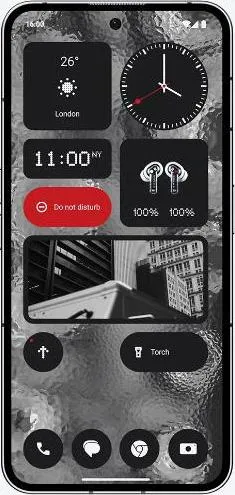
1. Specifications Comparison
| Feature | Xiaomi Redmi Note 12 4G | Nothing Phone (2) | Practical Impact |
|---|---|---|---|
| Design | |||
| Dimensions (mm) | 165.7 x 76 x 7.9 | 162.1 x 76.4 x 8.6 | Nothing Phone (2) is slightly shorter and thicker. Negligible difference in hand feel for most users. |
| Weight (g) | 183.5 | 201.2 | Redmi is noticeably lighter, reducing hand fatigue during extended use. |
| Build | Unspecified | Unspecified | Material differences could impact durability and premium feel; information lacking. |
| Display | |||
| Size (inches) | 6.67 | 6.7 | Virtually identical screen sizes. |
| Resolution | 1080 x 2400 | 1080 x 2412 | Negligible resolution difference. |
| Type | AMOLED, 120Hz | LTPO OLED, 120Hz | Both offer smooth scrolling with 120Hz. LTPO allows for dynamic refresh rate, potentially saving battery on Nothing Phone (2). Nothing Phone boasts higher peak brightness (1600 nits vs 1200 nits) improving outdoor visibility. |
| HDR | No Dolby Vision, HDR10/10+ unspecified | HDR10+, HDR10 | Nothing Phone (2) supports HDR10+, providing a wider color gamut and better contrast in supported content. |
| Performance | |||
| Chipset | Snapdragon 685 (6nm) | Snapdragon 8+ Gen 1 (4nm) | Significant performance difference. Nothing Phone (2) will handle demanding tasks and gaming much better. |
| CPU | Octa-core (4x2.8 GHz Cortex-A73 & 4x1.9 GHz Cortex-A53) | Octa-core (1x3.0 GHz Cortex-X2 & 3x2.5 GHz Cortex-A710 & 4x1.80 GHz Cortex-A510) | Nothing Phone (2)'s superior CPU architecture offers significantly faster processing speeds and better multi-tasking. |
| GPU | Adreno 610 | Adreno 730 | Nothing Phone (2)'s GPU provides a substantial leap in graphics performance, crucial for gaming and graphically intensive applications. |
| RAM | 4/6/8GB | 8/12GB | Nothing Phone (2) offers more RAM in its base configuration, ensuring smoother multitasking and better performance with memory-intensive apps. |
| Camera | |||
| Main Camera | 50MP, f/1.8 | 50MP, f/1.88, Sony IMX890 | Both have 50MP main sensors. Nothing Phone (2) utilizes a larger, more advanced sensor (Sony IMX890), potentially capturing better low-light photos and offering improved dynamic range. |
| Video Recording | 1080p@30fps | Up to 4K@60fps with OIS/EIS | Nothing Phone (2) significantly outperforms in video recording capabilities, offering higher resolution and frame rates, along with optical and electronic image stabilization. |
| Battery | |||
| Capacity | 5000 mAh | 4700 mAh | Redmi has slightly larger battery capacity, but real-world battery life depends on various factors like display and chipset efficiency. |
| Fast Charging | 33W | 45W | Nothing Phone (2) offers significantly faster charging. |
2. Key Differences Analysis
Xiaomi Redmi Note 12 4G Advantages:
- Lighter Weight: Noticeably lighter, enhancing comfort for extended use.
- Potentially Longer Battery Life: Slightly larger battery capacity, although real-world usage will vary.
- Lower Price: Expected to be significantly more affordable.
Nothing Phone (2) Advantages:
- Significantly Better Performance: Snapdragon 8+ Gen 1 provides a massive performance advantage for demanding tasks and gaming.
- Superior Display: LTPO panel allows for dynamic refresh rate, potentially saving battery. Brighter display for better outdoor visibility. HDR10+ support.
- Advanced Camera System: Larger, higher-quality main sensor, superior video recording capabilities with OIS and EIS, and more versatile secondary lens.
- Faster Charging: 45W fast charging significantly reduces downtime.
3. User Profiles & Recommendations
Xiaomi Redmi Note 12 4G: Budget-conscious users prioritizing basic tasks like calling, texting, social media browsing, and light photography. Suitable for users seeking a lightweight and affordable device without heavy gaming or demanding applications.
Nothing Phone (2): Users seeking a premium mid-range experience with excellent performance, a high-quality display, advanced camera features, and fast charging. Ideal for mobile gamers, content creators, and power users who demand smooth multitasking and top-tier hardware.
4. Decision Framework
Key Questions for Buyers:
- What is your budget? The Redmi Note 12 is significantly more affordable.
- What are your primary use cases? For basic tasks, the Redmi suffices. For demanding apps and gaming, the Nothing Phone (2) is necessary.
- How much do you value camera quality and performance? The Nothing Phone (2) significantly outperforms in these areas.
My Choice: Nothing Phone (2)
While the Redmi Note 12 4G offers a compelling value proposition for budget-conscious buyers, the Nothing Phone (2) is the superior device overall. The substantial performance difference, the higher quality display with LTPO and HDR10+, the more advanced camera system including OIS and 4K@60fps video recording, and the faster charging speeds justify the higher price for me. The slightly heavier weight is a minor trade-off for the significant gains in performance and features. I prioritize a smooth and responsive user experience, high-quality visuals, and the ability to handle demanding tasks without lag, making the Nothing Phone (2) the clear winner.
