1. Specifications Comparison
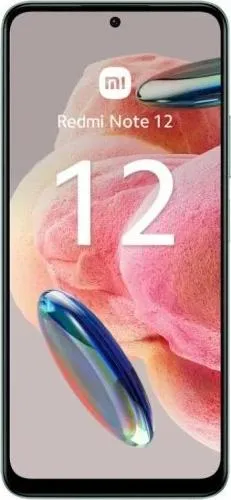
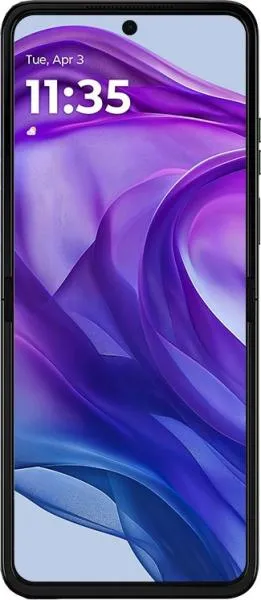
| Feature | Xiaomi Redmi Note 12 4G | Motorola Razr 50 Ultra | Practical Impact |
|---|---|---|---|
| Design | |||
| Dimensions (mm) | 165.7 x 76 x 7.9 | 171.4 x 74 x 7.1 | Razr 50 Ultra is slightly shorter, narrower, and significantly thinner due to its foldable design. Redmi Note 12 is lighter. |
| Weight (g) | 183.5 | 189 | Negligible weight difference in practical use. |
| Foldable | No | Yes | Razr 50 Ultra offers compact portability when folded, but is larger when unfolded. |
| Display | |||
| Display Type | AMOLED, 120Hz | Foldable LTPO AMOLED, 165Hz | Razr 50 Ultra's LTPO panel enables dynamic refresh rate adjustment for power saving. Higher refresh rate provides smoother visuals. Foldable design introduces a crease. |
| Size (inches) | 6.67 | 6.9 | Razr 50 Ultra has a slightly larger display when unfolded. |
| Resolution | 1080 x 2400 | 1080 x 2640 | Similar sharpness despite resolution difference due to the Razr's slightly larger screen. |
| Peak Brightness (nits) | 1200 | 3000 | Razr 50 Ultra offers significantly better outdoor visibility. |
| HDR | No Dolby Vision | Dolby Vision, HDR10+ | Razr 50 Ultra supports wider HDR formats for superior video playback quality. |
| Performance | |||
| Chipset | Snapdragon 685 (6nm) | Snapdragon 8s Gen 3 (4nm) | Razr 50 Ultra boasts significantly faster processing power, enabling smoother multitasking and demanding gaming. |
| CPU | Octa-core (4x2.8 GHz Cortex-A73 & 4x1.9 GHz Cortex-A53) | Octa-core (1x3.0 GHz Cortex-X4 & 4x2.8 GHz Cortex-A720 & 3x2.0 GHz Cortex-A520) | Razr 50 Ultra's more modern and powerful CPU architecture delivers substantial performance gains. |
| GPU | Adreno 610 | Adreno 735 | Razr 50 Ultra offers a much more capable GPU for superior gaming and graphics performance. |
| RAM | 4/6/8GB | 12GB | Razr 50 Ultra provides significantly more RAM for smoother multitasking and app switching. |
| Camera | |||
| Main Camera | 50MP | 50MP (GN8 Sensor) | Razr 50 Ultra utilizes a larger sensor (GN8) potentially offering better low-light performance and image quality. |
| Ultrawide | 8MP | Not specified | Redmi Note 12 offers an ultrawide lens, while the Razr 50 Ultra's secondary camera is a telephoto lens. |
| Telephoto | No | 50MP | Razr 50 Ultra offers optical zoom capabilities for better zoomed images. |
| Video | 1080p@30fps | Up to 4K@60fps, 1080p@960fps | Razr 50 Ultra offers significantly higher resolution and frame rate video recording capabilities including slow-motion. |
| Battery | |||
| Capacity | 5000mAh | 4000mAh | Redmi Note 12 provides longer battery life due to larger capacity. |
| Fast Charging | 33W | 45W | Razr 50 Ultra charges faster despite smaller battery capacity. |
2. Key Differences Analysis
Xiaomi Redmi Note 12 4G Advantages:
- Longer Battery Life: Significantly larger battery capacity.
- Lower Price: Positioned in a more affordable price bracket.
Motorola Razr 50 Ultra Advantages:
- Significantly More Powerful: Superior chipset, CPU, GPU, and more RAM.
- Foldable Design: Offers compact portability.
- Higher Quality Display: Brighter, smoother, and with better HDR support.
- More Versatile Camera System: Telephoto lens with optical zoom and superior video recording capabilities.
- Faster Charging: Charges quicker despite smaller battery.
3. User Profiles & Recommendations
Xiaomi Redmi Note 12 4G:
- Budget-conscious users: Prioritize affordability and long battery life.
- Light users: Primarily use phone for basic tasks like calling, texting, and social media.
Motorola Razr 50 Ultra:
- Power users: Demand high performance for gaming, multitasking, and demanding applications.
- Enthusiasts: Value cutting-edge technology and a unique foldable design.
- Content creators: Utilize advanced camera features for photos and videos.
4. Decision Framework
Key Questions for Buyers:
- What is your budget? The Razr 50 Ultra is significantly more expensive.
- What are your primary phone usage patterns? Basic tasks vs. demanding applications and content creation.
- How important is portability and form factor? Foldable design vs. traditional slab phone.
My Choice: Motorola Razr 50 Ultra
While the Redmi Note 12 4G offers excellent battery life and value, the Motorola Razr 50 Ultra is the superior device overall. Its significantly faster performance, stunning display, versatile camera system, and unique foldable design outweigh the smaller battery and higher price for me. I value a smooth and responsive user experience, high-quality media consumption, and the innovative form factor. The quick charging mitigates the smaller battery capacity to some extent. The Redmi Note 12 is a great budget option, but the Razr 50 Ultra offers a more compelling package for my needs and preferences.
