1. Specifications Comparison
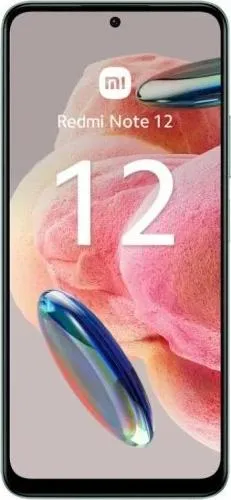
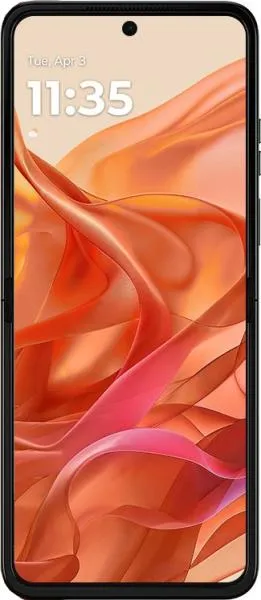
| Feature | Xiaomi Redmi Note 12 4G | Motorola Razr 50 | Practical Impact |
|---|---|---|---|
| Design | |||
| Dimensions (mm) | 165.7 x 76 x 7.9 | 171.3 x 74 x 7.3 | Razr 50 is slightly taller and thinner, but noticeably wider when unfolded. Redmi Note 12 is more pocketable in its standard form. |
| Weight (g) | 183.5 | 188.4 | Negligible weight difference in practical usage. |
| Foldable | No | Yes | Razr 50's foldable design offers a compact carrying size but a larger screen when unfolded. Redmi Note 12 offers a traditional smartphone experience. |
| Display | |||
| Display Size (inches) | 6.67 | 6.9 | Razr 50 offers a larger screen area for media consumption and multitasking when unfolded. |
| Resolution (pixels) | 1080 x 2400 | 1080 x 2640 | Similar pixel density, resulting in comparable sharpness. Razr 50's taller aspect ratio provides more vertical screen real estate. |
| Display Type | AMOLED, 120Hz | Foldable LTPO AMOLED, 120Hz | Both offer smooth scrolling and animations due to 120Hz refresh rate. Razr 50's LTPO panel can dynamically adjust refresh rate for power saving. The folding capability introduces a crease in the Razr's display. Razr 50 supports HDR10+, offering better dynamic range in compatible content. |
| Peak Brightness (nits) | 1200 | 3000 | Razr 50 offers significantly higher peak brightness, ensuring better visibility in direct sunlight. |
| Performance | |||
| Chipset | Snapdragon 685 (6nm) | Dimensity 7300X (4nm) | Dimensity 7300X offers significantly better performance and efficiency due to its more advanced architecture and manufacturing process. |
| CPU | Octa-core (4x2.8 GHz Cortex-A73 & 4x1.9 GHz Cortex-A53) | Octa-core (4x2.5 GHz Cortex-A78 & 4x2.0 GHz Cortex-A55) | Razr 50 has a more powerful CPU architecture, translating to smoother multitasking, faster app loading, and better gaming performance. |
| GPU | Adreno 610 | Mali-G615 MC2 | Razr 50's GPU provides a noticeable improvement in graphics performance, beneficial for gaming and demanding applications. |
| RAM (GB) | 4/6/8 | 8/12 | Razr 50 offers more RAM, enabling better multitasking and smoother performance with multiple apps open. |
| Camera | |||
| Rear Camera | 50MP Main, 8MP Wide, 2MP Macro | 50MP Main, 13MP Wide | Both have comparable main cameras. Information on Razr 50's sensor specifics are lacking, hindering detailed comparison. Razr 50 has optical image stabilization, enabling sharper images and videos, especially in low light. |
| Front Camera | 13MP | 32MP | Razr 50 boasts a much higher resolution front camera for better quality selfies and video calls. |
| Video Recording | 1080p@30fps | 4K@30fps | Razr 50 allows for much higher resolution video recording. |
| Battery | |||
| Capacity (mAh) | 5000 | 4200 | Redmi Note 12 has a larger battery capacity, potentially offering longer battery life. Razr 50's smaller battery might be impacted by the power demands of the foldable display. |
| Fast Charging | 33W | 30W | Similar fast charging speeds; real-world charging times might differ slightly. |
2. Key Differences Analysis
Xiaomi Redmi Note 12 4G Advantages:
- Longer Battery Life: Larger battery capacity suggests longer usage time.
- Lower Price: Positioned in a more budget-friendly price range.
- Traditional Form Factor: Familiar smartphone experience without the crease of a foldable screen.
Motorola Razr 50 Advantages:
- Significantly More Powerful: Superior chipset, CPU, and GPU for a smoother and faster user experience.
- Foldable Design: Offers portability and a larger screen when unfolded.
- Brighter Display: Much higher peak brightness for excellent outdoor visibility.
- Higher Resolution Front Camera: Better selfies and video calls.
- Higher Resolution Video Recording: Captures more detailed videos.
- Optical Image Stabilization: Sharper photos and videos, especially in low light.
- More RAM: Smoother multitasking and better performance.
- More modern connectivity: Wi-Fi 6E and Bluetooth 5.3
3. User Profiles & Recommendations
Xiaomi Redmi Note 12 4G: Budget-conscious users who prioritize battery life and a simple, reliable smartphone experience. Suitable for basic tasks like calling, texting, browsing, and social media.
Motorola Razr 50: Users who value portability and a large screen for media consumption and productivity. Ideal for those who want a unique, stylish device with strong performance and are willing to pay a premium for it. Suitable for demanding tasks like gaming, video editing, and multitasking. The foldable form factor is a key differentiator, appealing to users seeking innovation and portability.
4. Decision Framework
Key Questions for Buyers:
- Budget: How much are you willing to spend?
- Performance Needs: Do you require a high-performance device for demanding tasks or gaming?
- Form Factor Preference: Do you prioritize portability and a large screen offered by a foldable phone, or a traditional smartphone experience?
Scenario-Based Recommendations:
- Limited Budget, Basic Usage: Redmi Note 12 4G
- Demanding User, Valuing Performance and Portability: Razr 50
- Focus on Media Consumption and Multitasking, Budget Not a Primary Concern: Razr 50
My Choice: Motorola Razr 50
While the Redmi Note 12 4G offers good value for its price, the Motorola Razr 50 is the superior choice for me. The significantly improved performance, brighter and larger foldable display, better camera system (especially considering OIS and video capabilities), and more modern connectivity outweigh the price difference and smaller battery. The Razr 50's unique foldable design also aligns with my preference for innovative technology. While the battery is smaller, the performance gains from the Dimensity 7300X could potentially offset this in real-world usage. The lack of detailed camera sensor specifications for the Razr 50 is a limitation, but the inclusion of OIS and 4K video recording strongly suggests a superior camera experience. Ultimately, the Razr 50 provides a more future-proof and premium user experience.
