1. Specifications Comparison
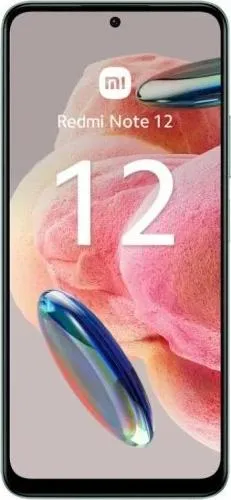
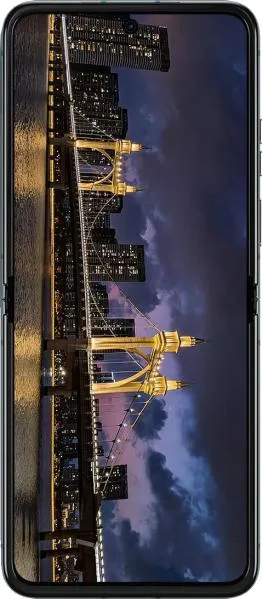
| Feature | Xiaomi Redmi Note 12 4G | Motorola Razr 40 Ultra | Practical Impact |
|---|---|---|---|
| Design | |||
| Dimensions (mm) | 165.7 x 76 x 7.9 | 170.8 x 74 x 7 | Razr 40 Ultra is slightly shorter, narrower, and significantly thinner due to its foldable design. Redmi Note 12 is larger. |
| Weight (g) | 183.5 | 184.5 | Negligible weight difference. |
| Foldable | No | Yes | Razr 40 Ultra offers greater portability when folded and a larger screen when unfolded. |
| Display | |||
| Display Size (inches) | 6.67 | 6.9 | Razr 40 Ultra has a slightly larger main display. |
| Resolution (px) | 1080 x 2400 | 1080 x 2640 | Similar sharpness due to similar pixel density; Razr has a slightly taller aspect ratio. |
| Display Type | AMOLED, 120Hz | Foldable LTPO AMOLED, 165Hz | Razr 40 Ultra's LTPO panel allows for variable refresh rate, potentially saving battery. Its higher refresh rate provides smoother animations and scrolling. Foldable screen introduces a crease. |
| Peak Brightness (nits) | 1200 | 1400 | Razr 40 Ultra should be more visible in direct sunlight. |
| Performance | |||
| Chipset | Snapdragon 685 (6nm) | Snapdragon 8+ Gen 1 (4nm) | Razr 40 Ultra offers significantly faster processing speeds, smoother multitasking, and better gaming performance. |
| CPU | Octa-core (4x2.8 GHz Cortex-A73 & 4x1.9 GHz Cortex-A53) | Octa-core (1x3.19 GHz Cortex-X2 & 3x2.75 GHz Cortex-A710 & 4x1.80 GHz Cortex-A510) | Razr 40 Ultra has a more powerful and efficient CPU architecture. |
| GPU | Adreno 610 | Adreno 730 | Razr 40 Ultra provides significantly better graphics performance for demanding games and applications. |
| RAM | 4GB/6GB/8GB | 8GB/12GB | Razr 40 Ultra offers more RAM, improving multitasking and overall system responsiveness. |
| Camera | |||
| Main Camera (MP) | 50 | 12 | Redmi Note 12 has a higher megapixel count; image quality depends on sensor size, processing, and other factors not fully specified. |
| Video Recording | 1080p@30fps | Up to 4K@60fps with HDR, EIS | Razr 40 Ultra offers significantly better video recording capabilities with higher resolution, frame rates, and stabilization. |
| Battery | |||
| Capacity (mAh) | 5000 | 3800 | Redmi Note 12 has significantly longer battery life. |
| Fast Charging (W) | 33 | 30 | Similar fast charging speeds; Redmi might charge slightly faster due to larger battery. |
2. Key Differences Analysis
Xiaomi Redmi Note 12 4G Advantages:
- Significantly longer battery life: The 5000mAh battery will easily last a full day even with heavy usage.
- Lower price: Offers good value for its features.
Motorola Razr 40 Ultra Advantages:
- Foldable design: Provides a unique form factor with portability and a large screen.
- Significantly more powerful: The Snapdragon 8+ Gen 1 offers flagship-level performance.
- Higher refresh rate display: Smoother and more responsive user experience.
- Superior video recording: Offers 4K resolution, higher frame rates, and stabilization.
- More premium materials and build quality: Expected given the higher price point.
Trade-offs:
- Razr 40 Ultra: Shorter battery life due to the foldable design and powerful processor, significantly higher price.
- Redmi Note 12 4G: Lower performance, less capable camera, lacks the novelty and portability of a foldable design.
3. User Profiles & Recommendations
Xiaomi Redmi Note 12 4G:
- Ideal User: Budget-conscious users who prioritize battery life and basic smartphone functionality. Students, casual users, or those seeking a secondary device.
- Use Cases: Everyday tasks like browsing, social media, communication, light gaming.
Motorola Razr 40 Ultra:
- Ideal User: Users who value cutting-edge technology, portability, and a premium experience, and are willing to pay a premium. Professionals, content creators, or those who want a unique device.
- Use Cases: Demanding tasks like gaming, video editing, multitasking, showcasing a stylish device.
4. Decision Framework
Key Questions for Buyers:
- What is your budget? The Razr 40 Ultra is significantly more expensive.
- How important is battery life? The Redmi Note 12 offers much longer battery life.
- Do you value portability and a unique design? The Razr 40 Ultra's foldable design offers both.
Scenario-Based Recommendations:
- Limited Budget: Redmi Note 12 4G
- Prioritize Performance and Latest Technology: Razr 40 Ultra
- Need All-Day Battery Life: Redmi Note 12 4G
- Want a Compact and Unique Device: Razr 40 Ultra
My Choice: Motorola Razr 40 Ultra
While the Redmi Note 12 4G offers excellent value, I would choose the Motorola Razr 40 Ultra. The significantly superior performance, smoother display, better video recording capabilities, and unique foldable design outweigh the shorter battery life and higher price for me. I am willing to compromise on battery life for the innovative form factor and flagship-level performance. The Razr 40 Ultra offers a more future-proof device with features that enhance productivity and entertainment. The compact size when folded is a major draw for me personally. I value having a powerful device that fits easily in my pocket. While the price is a significant factor, the overall user experience offered by the Razr 40 Ultra makes it a more compelling choice in my opinion.
