1. Specifications Comparison
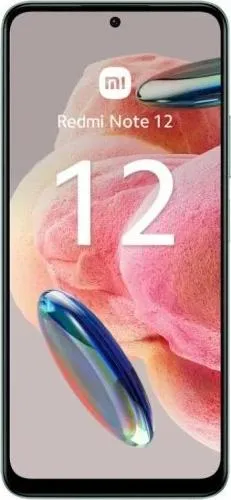
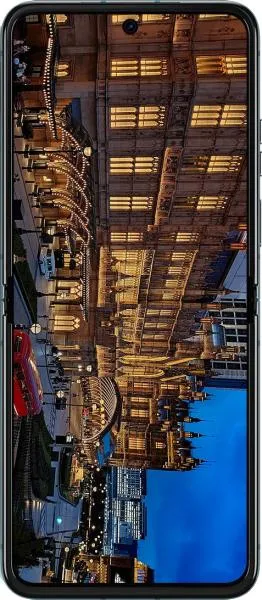
| Feature | Xiaomi Redmi Note 12 4G | Motorola Razr 40 | Practical Impact |
|---|---|---|---|
| Design | |||
| Dimensions (mm) | 165.7 x 76 x 7.9 | 170.8 x 74 x 7.4 | Razr 40 is slightly shorter and narrower but thicker when unfolded. Significantly smaller when folded. |
| Weight (g) | 183.5 | 188.6 | Negligible weight difference in hand. Razr 40's foldability offers portability advantage. |
| Foldable | No | Yes | Razr 40's foldable design significantly impacts portability and pocketability. |
| Display | |||
| Size (inches) | 6.67 | 6.9 | Razr 40 has a slightly larger main screen. |
| Resolution (px) | 1080 x 2400 | 1080 x 2640 | Razr 40 has a slightly taller aspect ratio and higher resolution. |
| Type | AMOLED, 120Hz | Foldable LTPO AMOLED, 144Hz | Razr 40's LTPO panel allows for variable refresh rate, potentially saving battery. Higher refresh rate provides smoother animations. Foldable screen introduces a crease. |
| Peak Brightness (nits) | 1200 | 1400 | Razr 40 offers better visibility in direct sunlight. |
| Performance | |||
| Chipset | Snapdragon 685 (6nm) | Snapdragon 7 Gen 1 (4nm) | Razr 40 has a significantly more powerful and efficient processor, resulting in smoother performance and better battery life under heavy load. |
| CPU | Octa-core (4x2.8 GHz A73 & 4x1.9 GHz A53) | Octa-core (1x2.4 GHz A710 & 3x2.36 GHz A710 & 4x1.8 GHz A510) | Razr 40's newer CPU architecture provides substantial performance gains in demanding tasks and multitasking. |
| GPU | Adreno 610 | Adreno 644 | Razr 40's superior GPU provides significantly better gaming and graphics performance. |
| RAM (GB) | 4/6/8 | 8 | Razr 40 offers more RAM, improving multitasking and app loading speeds. |
| Camera | |||
| Main Camera (MP) | 50 | 64 | Razr 40 has a higher resolution main sensor, potentially capturing more detail. |
| Selfie Camera (MP) | 13 | 32 | Razr 40 offers a much higher resolution selfie camera. |
| Video Recording | 1080p@30fps | 4K@30fps | Razr 40 allows for higher resolution video recording. |
| Optical Image Stabilization | No | Yes | Razr 40 offers OIS for steadier videos and potentially better low-light photos. |
| Battery | |||
| Capacity (mAh) | 5000 | 4200 | Redmi Note 12 has a larger battery capacity, potentially offering longer battery life with less demanding usage. |
| Fast Charging (W) | 33 | 33 | Both phones offer similar fast charging speeds. |
2. Key Differences Analysis
Redmi Note 12 4G Advantages:
- Larger Battery: Potentially longer battery life for basic tasks.
- Lower Price: Significantly more affordable.
Razr 40 Advantages:
- Significantly More Powerful: Superior performance for demanding tasks and gaming.
- Foldable Design: Enhanced portability and unique form factor.
- Better Display: Higher refresh rate, brighter screen, and improved color accuracy.
- Superior Camera System: Higher resolution sensors, OIS, and 4K video recording.
- More Future-Proof: Newer OS with longer support window and 5G connectivity.
3. User Profiles & Recommendations
Redmi Note 12 4G: Budget-conscious users prioritizing battery life for basic tasks like calling, texting, browsing, and social media.
Razr 40: Users who value cutting-edge technology, portability, a unique form factor, strong performance, and a great camera experience. Ideal for those who consume media, play games, and multitask heavily on their phones.
4. Decision Framework
Key Questions for Buyers:
- What is your budget? The Redmi Note 12 4G is significantly cheaper.
- How important is portability and form factor? The Razr 40's foldable design is a game-changer for some.
- What type of user are you? A power user will appreciate the Razr 40's performance, while a light user might prioritize the Redmi Note 12's battery life and affordability.
My Choice: Motorola Razr 40
While the Redmi Note 12 4G offers decent value for its price, the Motorola Razr 40 is the clear winner for me. The significantly improved performance, superior camera system, more future-proof specifications (including 5G which wasn't explicitly stated but implied by network band support), stunning display, and the innovative foldable design make it a compelling device. The higher price is justified by the substantial upgrade in almost every aspect. While battery capacity is smaller, the more efficient processor in the Razr 40 likely offsets this in real-world usage for my use case. The compact size when folded is a huge advantage for portability. As someone who values cutting-edge technology and appreciates a premium user experience, the Razr 40 aligns perfectly with my needs.
