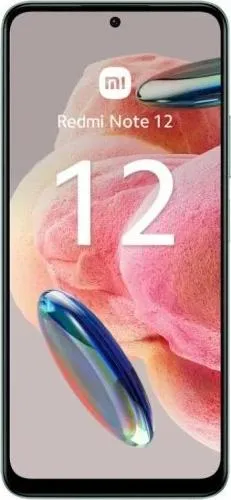
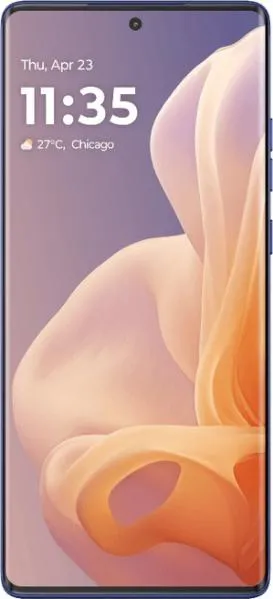
1. Specifications Comparison
| Feature | Xiaomi Redmi Note 12 4G | Motorola Moto G85 | Practical Impact |
|---|---|---|---|
| Design | |||
| Dimensions (mm) | 165.7 x 76 x 7.9 | 161.9 x 73.1 x 7.6 | Moto G85 is slightly smaller and thinner, potentially improving one-handed use. |
| Weight (g) | 183.5 | 171 | Moto G85 is noticeably lighter, reducing hand fatigue during extended use. |
| Display | |||
| Display Type | AMOLED, 120Hz | p-OLED, 120Hz | Both offer smooth scrolling and animations thanks to 120Hz. AMOLED generally offers better contrast and deeper blacks. p-OLED might be more power efficient in some scenarios, but without specific power consumption data, it's difficult to ascertain. Moto G85 has a higher peak brightness (1600 nits vs 1200 nits) making it more readable in direct sunlight. |
| Size (inches) | 6.67 | 6.67 | Identical screen sizes. |
| Resolution | 1080 x 2400 | 1080 x 2400 | Identical resolutions, resulting in similar sharpness. |
| Performance | |||
| Chipset | Snapdragon 685 (6nm) | Snapdragon 6s Gen 3 (6nm) | Snapdragon 6s Gen 3 features more powerful CPU cores (Cortex-A78 vs Cortex-A73) and a better GPU (Adreno 619 vs 610), translating to smoother performance in demanding tasks and games. |
| CPU | Octa-core (4x2.8 GHz A73 & 4x1.9 GHz A53) | Octa-core (2x2.3 GHz A78 & 6x2.0 GHz A55) | Moto G85 has a performance advantage due to newer CPU architecture. |
| RAM | 4/6/8 GB | 12GB (as reviewed) | Moto G85 offers significantly more RAM in this configuration, enabling superior multitasking and app switching. Note: Redmi Note 12 has other RAM configurations not included in this comparison. |
| OS | Android 13 | Android 14 | Moto G85 ships with a newer Android version, offering potential feature and security advantages. Redmi promises an update to Android 14, but timing is unknown. |
| Camera | |||
| Main Camera | 50MP, f/1.8 | 50MP, f/1.79, OIS | Similar resolution, but Moto G85 benefits from Optical Image Stabilization (OIS) for sharper images and videos, especially in low light. |
| Ultrawide | 8MP, f/2.2 | 8MP, f/2.2 | Similar ultrawide capabilities. |
| Macro | 2MP, f/2.4 | None | Redmi Note 12 has a dedicated macro lens, but its low resolution limits practical use. |
| Selfie | 13MP, f/2.45 | 32MP, f/2.4 | Moto G85 boasts a much higher resolution selfie camera. |
| DXOMARK Score | 63 | 88 | Moto G85 demonstrates significantly better overall camera performance according to DXOMARK's testing. |
| Battery | |||
| Capacity | 5000 mAh | 5000 mAh | Identical battery capacities. |
| Fast Charging | 33W | 30W | Redmi offers slightly faster wired charging. |
2. Key Differences Analysis
Motorola Moto G85 Advantages:
- Superior Performance: Newer, more powerful chipset and significantly more RAM.
- Better Camera System: OIS on the main camera and a higher resolution selfie camera. Higher DXOMARK score suggests significantly better image quality.
- Newer Android Version: Ships with Android 14.
- Lighter and More Compact: Easier to handle and carry.
Xiaomi Redmi Note 12 4G Advantages:
- Slightly Faster Charging: 33W vs 30W.
- Dedicated Macro Lens: Though its low resolution might limit practical usefulness.
- Potentially Lower Price: Depending on the specific RAM/storage configuration.
3. User Profiles & Recommendations
Moto G85: Users who prioritize performance, camera quality, and a more modern software experience. Ideal for gaming, photography, and demanding multitasking.
Redmi Note 12 4G: Budget-conscious users who prioritize battery life and fast charging. Suitable for everyday tasks, social media, and light gaming.
4. Decision Framework
Key Questions for Buyers:
- What is your budget? The Moto G85 is likely more expensive, especially with 12GB RAM.
- What are your primary use cases? Gaming and photography lean towards the Moto G85, while basic tasks and battery life favor the Redmi Note 12.
- How important is software longevity? Moto G85, with newer Android, might receive longer updates.
My Choice: Motorola Moto G85
While the Redmi Note 12 4G offers a slightly faster charging speed and a potentially lower price, the Moto G85 provides a significantly better overall package. The superior performance, significantly improved camera system (especially with OIS), newer Android version, and more modern design make it a more compelling choice for most users. The extra RAM in the Moto G85 ensures smooth multitasking for years to come. Although pricing wasn't directly compared due to varying RAM/storage configurations, the performance and camera advantages of the Moto G85 outweigh the marginal benefits of the Redmi Note 12 4G, even with a potential price premium.
