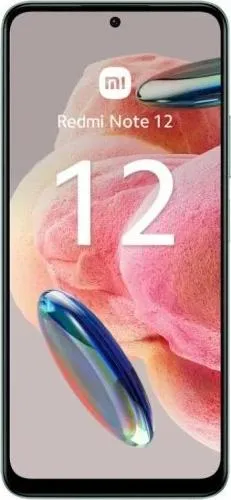
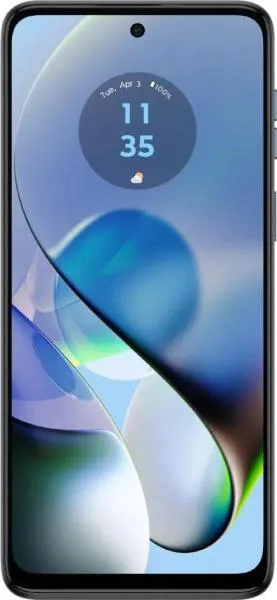
1. Specifications Comparison
| Feature | Xiaomi Redmi Note 12 4G | Motorola Moto G54 | Practical Impact |
|---|---|---|---|
| Design | |||
| Dimensions (mm) | 165.7 x 76 x 7.9 | 161.6 x 73.8 x 8 | Moto G54 is slightly smaller and might feel more comfortable in hand. |
| Weight (g) | 183.5 | 177 | Moto G54 is slightly lighter. |
| Build | Unspecified | Unspecified | Build materials impact durability and premium feel; information is missing for both. |
| Display | |||
| Display Type | AMOLED, 120Hz | IPS LCD, 120Hz | AMOLED generally offers deeper blacks and more vibrant colors; IPS LCDs often have better color accuracy in bright light. Both have smooth 120Hz refresh rates. |
| Size (inches) | 6.67 | 6.5 | Redmi Note 12 has a slightly larger screen for more immersive media consumption. |
| Resolution | 1080 x 2400 | 1080 x 2400 | Both have the same sharp resolution. |
| Peak Brightness (nits) | 1200 | Unspecified | Redmi Note 12's higher peak brightness ensures better visibility outdoors. Moto G54's unspecified brightness makes comparison impossible. |
| Performance | |||
| Chipset | Snapdragon 685 (6nm) | Dimensity 7020 (6nm) | Dimensity 7020 generally offers better CPU and GPU performance, leading to smoother multitasking and gaming. |
| CPU | Octa-core (4x2.8 GHz Cortex-A73 & 4x1.9 GHz Cortex-A53) | Octa-core (2x2.2 GHz Cortex-A78 & 6x2.0 GHz Cortex-A55) | Moto G54 has more powerful CPU cores (Cortex-A78) resulting in faster processing. |
| GPU | Adreno 610 | IMG BXM-8-256 | BXM-8-256 generally provides better graphics performance than Adreno 610 for gaming. |
| RAM | 4GB/6GB/8GB | 8GB/12GB | Moto G54 offers larger RAM options, enabling better multitasking and app performance. |
| Camera | |||
| Main Camera | 50MP | 50MP | Megapixel count is similar; image quality depends on sensor size, aperture, and processing, which are incomplete for both phones. |
| Other Cameras | 8MP ultrawide, 2MP macro | 2MP Macro, No ultrawide | Redmi Note 12 offers an ultrawide lens for broader shots. Moto G54 only has a macro. |
| Video Recording | 1080p@30fps | 1080p@30/60fps | Moto G54 can record smoother 60fps video. |
| Optical Image Stabilization | No | Yes | Moto G54's OIS will result in significantly more stable videos and potentially better low-light photos. |
| Battery | |||
| Capacity | 5000 mAh | 5000 mAh | Both have the same battery capacity, expected battery life depends on other factors like display and chipset efficiency. |
| Fast Charging | 33W | 15W | Redmi Note 12 charges significantly faster. |
2. Key Differences Analysis
Xiaomi Redmi Note 12 4G Advantages:
- Brighter Display: Better outdoor visibility.
- Faster Charging: Less downtime.
- Ultrawide Camera: More versatile photography.
- Potentially Lower Price: Depending on configuration.
Motorola Moto G54 Advantages:
- More Powerful Processor: Smoother performance for demanding tasks and gaming.
- Larger RAM Options: Better multitasking.
- Higher Quality Video Recording: Smoother 60fps recording.
- Optical Image Stabilization: Sharper photos and noticeably more stable video.
- 5G Connectivity: Much faster data speeds and lower latency (Significant advantage).
3. User Profiles & Recommendations
Xiaomi Redmi Note 12 4G: Budget-conscious users prioritizing a bright display, fast charging, and basic photography needs. Suitable for casual media consumption, social media, and light gaming.
Motorola Moto G54: Users who value performance, future-proof 5G connectivity, stable video recording, and smoother multitasking. Suitable for mobile gaming, content creation, and users who want a phone that will remain fast for longer.
4. Decision Framework
Key Questions for Buyers:
- Budget: How much are you willing to spend?
- Performance Needs: Do you need a phone for demanding tasks or casual use?
- 5G Importance: Is access to 5G networks crucial now or in the near future?
Scenario-Based Recommendations:
- Tight Budget, Basic Needs: Redmi Note 12 4G
- Performance and Longevity: Moto G54
- Future-Proofing and Fast Data: Moto G54
My Choice: Motorola Moto G54
While the Redmi Note 12 4G offers a brighter display and faster charging, the Moto G54's advantages in crucial areas like performance (CPU & GPU), RAM, optical image stabilization, and especially 5G connectivity make it the better overall choice for long-term use. The Dimensity 7020 provides a significant performance boost, making the Moto G54 more future-proof. The inclusion of OIS dramatically improves video quality and low-light photography. Lack of 5G in the Redmi Note 12 is a major drawback in today's market. The slightly smaller size of the Moto G54 is also preferable for me. Even if the Moto G54 is slightly more expensive, the extra investment is justified by its superior features and longevity.
