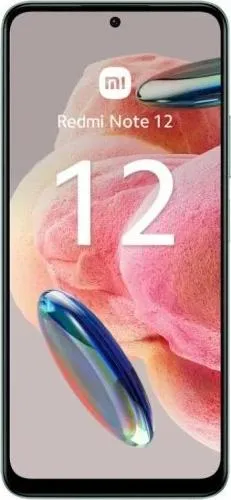
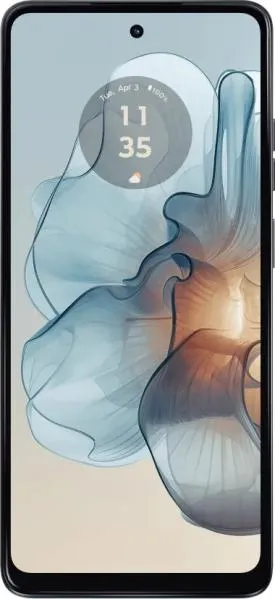
1. Specifications Comparison
| Feature | Xiaomi Redmi Note 12 4G | Motorola Moto G24 Power | Practical Impact |
|---|---|---|---|
| Design | |||
| Dimensions (mm) | 165.7 x 76 x 7.9 | 163.5 x 74.5 x 9 | Redmi is slightly taller and thinner, Moto is slightly wider and thicker. Negligible difference in hand feel. |
| Weight (g) | 183.5 | 197 | Redmi is noticeably lighter, reducing hand fatigue during extended use. |
| Display | |||
| Display Type | AMOLED, 120Hz | IPS LCD, 90Hz | Redmi offers more vibrant colors, deeper blacks, and smoother scrolling due to AMOLED and higher refresh rate. Moto's LCD is less power-hungry but visually inferior. |
| Resolution | 1080 x 2400 | 720 x 1612 | Redmi's significantly sharper display provides a more detailed and enjoyable viewing experience for media consumption and gaming. |
| PPI | 395 | 269 | Redmi's higher pixel density results in crisper text and images. Moto's lower PPI might show pixelation, especially noticeable when reading text. |
| Peak Brightness (nits) | 1200 | 537 | Redmi's much higher peak brightness ensures better visibility in direct sunlight. Moto's screen might be difficult to read outdoors. |
| Performance | |||
| Chipset | Snapdragon 685 (6nm) | Helio G85 (12nm) | Both offer decent performance for everyday tasks, but Snapdragon 685 generally provides slightly better efficiency due to the smaller manufacturing process. Real-world performance differences might be minimal for average users. |
| CPU | Octa-core (4x2.8 GHz Cortex-A73 & 4x1.9 GHz Cortex-A53) | Octa-core (2x2.0 GHz Cortex-A75 & 6x1.7 GHz Cortex-A55) | While the Moto has faster single-core speeds (Cortex-A75), the Redmi's overall CPU configuration might provide better sustained performance. More benchmarks are needed for a definitive conclusion. |
| GPU | Adreno 610 | Mali-G52 MC2 | Adreno 610 generally provides better gaming performance compared to Mali-G52 MC2. |
| RAM | 4GB/6GB/8GB | 8GB | Moto offers more RAM in this comparison, enabling better multitasking and potentially smoother performance with demanding apps. Redmi offers multiple RAM options for varying budgets. |
| Camera | |||
| Main Camera | 50MP | 50MP | Similar megapixel count, but sensor quality and image processing significantly impact final image quality. Missing sensor details for Moto limit in-depth comparison. |
| Selfie Camera | 13MP | 8MP | Redmi's higher resolution selfie camera likely captures more detail. |
| Video Recording | 1080p@30fps | 1080p@30fps | Both offer basic video recording capabilities. Moto advertises 120fps slow-motion, but resolution is not specified. |
| Battery | |||
| Capacity | 5000mAh | 6000mAh | Moto's larger battery capacity should translate to significantly longer battery life. |
| Fast Charging | 33W | 33W | Similar charging speeds, but Moto's larger battery will take longer to fully charge. |
2. Key Differences Analysis
Xiaomi Redmi Note 12 4G Advantages:
- Superior Display: AMOLED with higher resolution, refresh rate, and brightness. Provides a significantly better visual experience.
- Lighter and Slimmer: More comfortable for one-handed use and extended periods.
- Potentially Better Performance: More efficient chipset and potentially better sustained CPU performance. More benchmarks are needed.
- Higher Resolution Selfie Camera: Captures more detail for self-portraits.
Motorola Moto G24 Power Advantages:
- Significantly Larger Battery: Results in much longer usage time between charges, crucial for heavy users.
- More RAM: Better multitasking and smoother performance, especially with demanding applications.
- Lower Price: Offers good value for its price, focusing on essentials.
3. User Profiles & Recommendations
Xiaomi Redmi Note 12 4G: Users prioritizing display quality, smoother performance, and a lighter design. Suitable for media consumption, gaming, and moderate multitasking.
Motorola Moto G24 Power: Users prioritizing long battery life above all else. Ideal for users who are frequently away from a charger or heavily use their phones. Good for basic tasks and calls.
4. Decision Framework
Key Questions for Buyers:
- How important is display quality? Prioritize Redmi if a vibrant and sharp display is crucial.
- How important is battery life? Prioritize Moto if all-day battery life is a necessity.
- What is your budget? Moto generally offers a lower price point.
Scenario-Based Recommendations:
- Heavy Social Media User: Redmi Note 12 4G - Better display enhances the experience.
- Frequent Traveler: Moto G24 Power - Larger battery ensures power throughout the day.
- Budget-Conscious Buyer: Moto G24 Power - Provides good value for its price.
My Choice: Xiaomi Redmi Note 12 4G
While the Moto G24 Power boasts impressive battery life, the significantly better display and more comfortable design of the Redmi Note 12 4G are more compelling to me. I prioritize a good visual experience and comfortable handling. I am also willing to sacrifice some battery life for a lighter and slimmer phone. The slightly better performance and higher-resolution selfie camera further solidify my choice. The price difference is not significant enough to outweigh these advantages for my personal needs. However, if battery life is the absolute priority, the Moto G24 Power is a strong contender.
