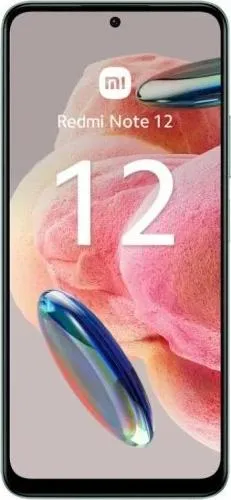
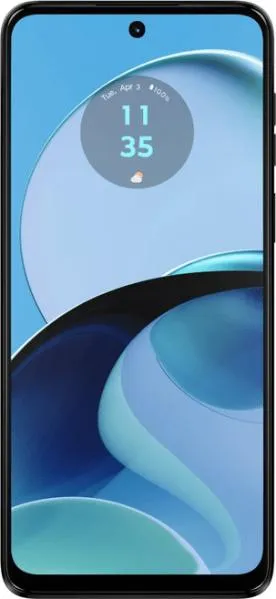
1. Specifications Comparison
| Feature | Xiaomi Redmi Note 12 4G | Motorola Moto G14 | Practical Impact |
|---|---|---|---|
| Design | |||
| Dimensions (mm) | 165.7 x 76 x 7.9 | 161.5 x 73.8 x 8 | Moto G14 is slightly smaller and may feel more comfortable in hand. |
| Weight (g) | 183.5 | 177 | Moto G14 is slightly lighter. Negligible difference in real-world usage. |
| Display | |||
| Display Type | AMOLED, 120Hz | IPS LCD | Redmi Note 12 offers deeper blacks, more vibrant colors, and smoother scrolling thanks to AMOLED and 120Hz. Moto G14's LCD is generally less power-efficient. Missing refresh rate info for Moto G14 limits comparison. |
| Size (inches) | 6.67 | 6.5 | Redmi Note 12 has a slightly larger screen. |
| Resolution | 1080 x 2400 | 1080 x 2400 | Identical resolution, resulting in similar sharpness. |
| Peak Brightness (nits) | 1200 | Not specified | Redmi Note 12's higher peak brightness ensures better visibility in direct sunlight. Missing Moto G14 data hinders full comparison. |
| Performance | |||
| Chipset | Snapdragon 685 (6nm) | Unisoc Tiger T616 (12nm) | Snapdragon 685 generally offers better performance and efficiency due to smaller node size. |
| CPU | Octa-core (4x2.8 GHz A73 & 4x1.9 GHz A53) | Octa-core (2x2.0 GHz A75 & 6x1.8 GHz A55) | While Moto G14 has faster individual cores (A75), Snapdragon's architecture and higher clock speed on performance cores likely result in better overall performance for Redmi Note 12. |
| GPU | Adreno 610 | Mali-G57 MP1 | Adreno 610 generally offers better gaming performance than Mali-G57 MP1. |
| RAM | 4/6/8GB | 4/8GB | Both offer various RAM options, impacting multitasking performance. More RAM generally allows for smoother app switching. |
| Camera | |||
| Rear Camera | 50MP Main + 8MP Wide + 2MP Macro | 50MP Main + 2MP Macro | Redmi Note 12 has a dedicated wide-angle lens, offering more versatile photography. Moto G14 boasts 120fps slow-motion, absent in Redmi Note 12. |
| Front Camera | 13MP | 8MP | Redmi Note 12 likely produces higher resolution selfies. |
| Battery | |||
| Capacity | 5000 mAh | 5000 mAh | Identical battery capacity suggesting similar potential battery life. |
| Fast Charging | 33W | 15W | Redmi Note 12 charges significantly faster. |
2. Key Differences Analysis
Redmi Note 12 Advantages:
- Superior Display: AMOLED with 120Hz refresh rate offers a significantly better visual experience with vibrant colors, smoother scrolling, and deeper blacks.
- Faster Performance: Snapdragon 685 and Adreno 610 provide a performance edge, particularly in gaming.
- Faster Charging: 33W fast charging significantly reduces downtime.
- More Versatile Camera: The inclusion of a wide-angle lens expands photographic capabilities.
Moto G14 Advantages:
- Lower Price: Positioned in the "low price" segment, offering greater affordability.
- Potentially Longer Software Support: Stock Android often receives quicker updates. Missing "os_max_version" for Moto G14 prevents definitive conclusion.
- 120fps Slow Motion: Offers higher frame rate slow-motion video recording.
- Slightly More Compact: Smaller dimensions might appeal to users preferring a more manageable phone.
3. User Profiles & Recommendations
Redmi Note 12: Suited for users who prioritize display quality, performance, and faster charging. Ideal for media consumption, gaming, and general multitasking.
Moto G14: Best for budget-conscious users who prioritize affordability and require a reliable smartphone for basic tasks. Suitable for calling, texting, browsing, and light media consumption.
4. Decision Framework
Key Questions for Buyers:
- What is your budget? Moto G14 offers significant cost savings.
- How important is display quality and performance? Redmi Note 12 excels in these areas.
- What are your primary use cases? Gaming and media consumption favor Redmi Note 12; basic communication and light usage favor Moto G14.
Scenario-Based Recommendations:
- Student on a Budget: Moto G14
- Mobile Gamer: Redmi Note 12
- Media Enthusiast: Redmi Note 12
My Choice: Xiaomi Redmi Note 12 4G
While the Moto G14 offers excellent value for its price, the Redmi Note 12's superior display, performance, and faster charging are decisive factors for me. The AMOLED screen with a 120Hz refresh rate provides a significantly more enjoyable user experience. The Snapdragon 685 offers a noticeable performance advantage for day-to-day tasks and gaming. The faster 33W charging is also a major convenience. While the Moto G14's lower price is tempting, the enhanced user experience offered by the Redmi Note 12 justifies the price difference for my personal needs. I frequently consume media and play mobile games, making the Redmi Note 12's strengths particularly appealing.
