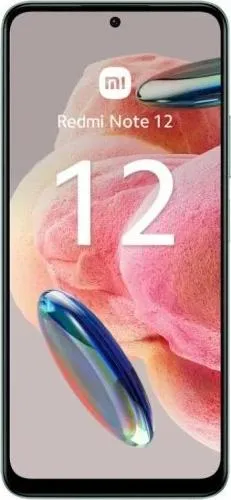
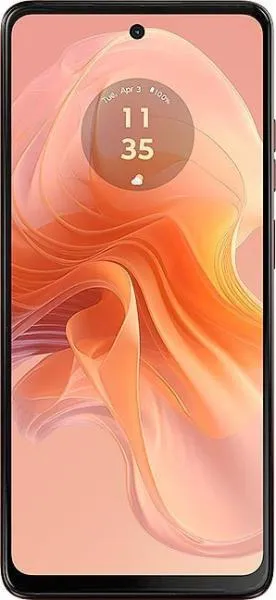
1. Specifications Comparison
| Feature | Xiaomi Redmi Note 12 4G | Motorola Moto G04s | Practical Impact |
|---|---|---|---|
| Design | |||
| Dimensions (mm) | 165.7 x 76 x 7.9 | 163.5 x 74.5 x 8 | Redmi is slightly taller and narrower. Negligible difference in hand feel. |
| Weight (g) | 183.5 | 178.8 | Moto is slightly lighter, but the difference is minimal. |
| Display | |||
| Display Type | AMOLED, 120Hz | IPS LCD, 90Hz | Redmi offers significantly better contrast, deeper blacks, and smoother scrolling thanks to AMOLED and 120Hz. Moto's LCD is less vibrant and has a lower refresh rate. |
| Resolution | 1080 x 2400 | 720 x 1612 | Redmi's display is much sharper and more detailed due to the higher resolution. Moto's display will appear pixelated in comparison. |
| PPI | 395 | 269 | Reinforces the sharpness difference; text and images will be clearer on the Redmi. |
| Peak Brightness (nits) | 1200 | Not specified | Redmi's higher peak brightness ensures better visibility in sunlight. Lack of data for Moto prevents direct comparison but given it's an LCD, it's likely lower. |
| Performance | |||
| Chipset | Snapdragon 685 (6nm) | Unisoc T606 (12nm) | Snapdragon 685 generally offers better performance and efficiency than the Unisoc T606. Redmi will likely handle demanding tasks and multitasking more smoothly. |
| CPU | Octa-core (4x2.8 GHz A73 & 4x1.9 GHz A53) | Octa-core (2x1.6 GHz A75 & 6x1.6 GHz A55) | While Moto uses newer A75 cores, the higher clock speed of Redmi's A73 cores and superior overall architecture likely results in better performance. |
| GPU | Adreno 610 | Mali-G57 MP1 | Adreno 610 generally provides a better gaming experience compared to the Mali-G57 MP1. |
| RAM | 4GB (Tested Model) | 4GB (Tested Model) | Both have the same RAM in the tested models, impacting multitasking capabilities equally. Both phones offer other RAM configurations. |
| Camera | |||
| Main Camera | 50MP, f/1.8 | 50MP, f/1.8 | Similar main camera specs on paper. Real-world performance will depend on image processing. |
| Ultrawide | 8MP, f/2.2 | Not specified | Redmi offers an ultrawide lens for wider shots, which the Moto lacks. |
| Macro | 2MP, f/2.4 | Not specified | Redmi has a dedicated macro lens, although its low resolution limits its usefulness. Lack of data for Moto prevents comparison. |
| Selfie Camera | 13MP, f/2.45 | 5MP, f/2.2 | Redmi has a significantly higher resolution selfie camera, likely resulting in better quality selfies. |
| Video Recording | 1080p@30fps | 1080p@30fps | Both offer basic video recording capabilities. |
| Battery | |||
| Capacity | 5000 mAh | 5000 mAh | Similar battery capacity, suggesting comparable battery life. Real-world usage will vary. |
| Fast Charging | 33W | 15W | Redmi supports significantly faster charging, reducing downtime. |
2. Key Differences Analysis
Redmi Note 12 4G Advantages:
- Superior Display: AMOLED with 120Hz refresh rate provides a significantly better visual experience.
- Better Performance: Snapdragon 685 and Adreno 610 offer smoother performance for everyday tasks and gaming.
- Faster Charging: 33W fast charging significantly reduces charging time.
- Higher Resolution Cameras: Front and ultrawide cameras offer higher resolution.
Moto G04s Advantages:
- Slightly Lighter: Minimal weight difference might be noticeable for some users.
- More Color Options: Offers a wider variety of color choices.
- Potentially Cleaner Software: Stock Android experience.
- Lower Price: Depending on the specific model and retailer, might be cheaper.
3. User Profiles & Recommendations
Redmi Note 12 4G: Suitable for users who prioritize display quality, performance, and faster charging. Ideal for media consumption, gaming, and multitasking.
Moto G04s: Best suited for budget-conscious users who prioritize basic functionality and a clean Android experience. Suitable for light usage like calling, texting, and browsing. Good for users sensitive to phone weight.
4. Decision Framework
Key Questions for Buyers:
- How important is display quality? If vibrant colors, deep blacks, and smooth scrolling are crucial, the Redmi is the better choice.
- What is your budget? The Moto G04s is likely the more affordable option.
- What is your typical phone usage? For demanding tasks and media consumption, the Redmi offers better performance. For basic usage, the Moto might suffice.
My Choice: Xiaomi Redmi Note 12 4G
While the Moto G04s offers a lower price point, the Xiaomi Redmi Note 12 4G provides a significantly superior user experience due to its vastly better display, stronger performance, and faster charging. The difference in display quality alone makes the Redmi the clear winner for me. The slightly higher price is well worth the investment for the long-term enjoyment and usability of the device. The 120Hz AMOLED display is a game changer for smooth scrolling and responsiveness. The improved performance ensures that the phone can handle day-to-day tasks and even some light gaming without lag. Finally, the faster charging is a major convenience in today's fast-paced world.
