1. Specifications Comparison
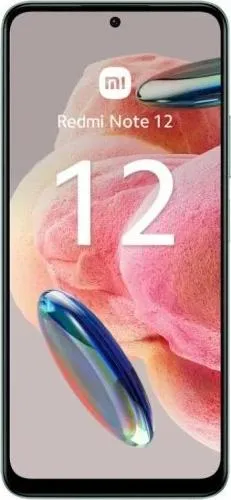
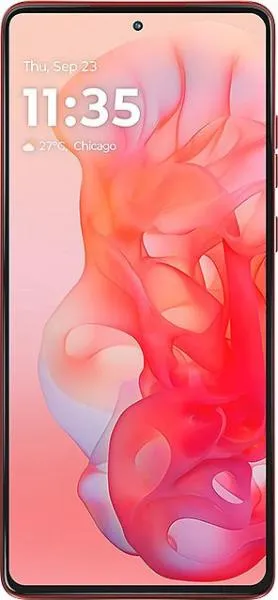
| Feature | Xiaomi Redmi Note 12 4G | Motorola Moto G Stylus 5G (2024) | Practical Impact |
|---|---|---|---|
| Design | |||
| Dimensions (mm) | 165.7 x 76 x 7.9 | 162.6 x 74.8 x 8.3 | Moto G Stylus is slightly shorter and narrower, but thicker. Negligible difference in everyday use. |
| Weight (g) | 183.5 | 190 | Moto G Stylus is slightly heavier, but the difference is minimal. |
| Build | Unspecified | Unspecified | Build quality cannot be compared due to missing information. |
| Display | |||
| Display Type | AMOLED, 120Hz | pOLED, 120Hz | Both offer smooth scrolling and animations thanks to 120Hz. pOLED generally offers better blacks and power efficiency but can be prone to burn-in. AMOLED often has higher peak brightness. |
| Size (inches) | 6.67 | 6.7 | Virtually identical screen sizes. |
| Resolution | 1080 x 2400 | 1080 x 2400 | Identical resolution, resulting in similar sharpness. |
| Peak Brightness (nits) | 1200 | 1200 | Both offer good outdoor visibility with equal peak brightness. |
| Performance | |||
| Chipset | Snapdragon 685 (6nm) | Snapdragon 6 Gen 1 (4nm) | Moto G Stylus has a significantly more powerful and efficient processor, leading to smoother performance, better multitasking, and improved battery life. |
| CPU | Octa-core (4x2.8 GHz Cortex-A73 & 4x1.9 GHz Cortex-A53) | Octa-core (4x2.2 GHz Cortex-A78 & 4x1.8 GHz Cortex-A55) | Moto G Stylus utilizes newer core architecture, providing a noticeable performance advantage in demanding tasks and gaming. |
| GPU | Adreno 610 | Adreno 710 | Moto G Stylus has a much more capable GPU, delivering significantly better gaming performance and graphics rendering. |
| RAM | 4GB/6GB/8GB | 8GB | Moto G Stylus offers more RAM in the compared variant, enabling better multitasking and smoother performance with multiple apps open. |
| Storage | 128GB/256GB | 256GB | Moto G Stylus offers more storage in the compared variant, allowing for more apps, photos, and videos. |
| Camera | |||
| Main Camera | 50MP | 50MP | Resolution is identical, but sensor and other features differ. Moto G Stylus uses a larger sensor (1/1.56" vs 1/2.76"), offering significantly better low-light performance and dynamic range. |
| Ultrawide | 8MP | 13MP (Wide + Macro) | Moto G Stylus offers a higher resolution ultrawide that also doubles as a macro lens, providing more versatility. |
| Selfie Camera | 13MP | 32MP | Moto G Stylus offers a much higher resolution selfie camera. |
| Video Recording | 1080p@30fps | 4K@30fps | Moto G Stylus offers superior video recording capabilities with 4K resolution. |
| Battery | |||
| Capacity | 5000mAh | 5000mAh | Identical battery capacity. However, the Moto G Stylus's more efficient processor likely translates to longer real-world battery life. |
| Charging | 33W Fast Charging | 30W Fast Charging +15W Wireless charging | Similar wired charging speeds, but the Moto G Stylus offers the added convenience of wireless charging. |
2. Key Differences Analysis
Xiaomi Redmi Note 12 4G Advantages:
- Potentially Lower Price: Depending on the specific RAM/Storage configuration, the Redmi Note 12 may be more affordable.
Motorola Moto G Stylus 5G (2024) Advantages:
- Significantly Better Performance: The Snapdragon 6 Gen 1, coupled with 8GB RAM and Adreno 710 GPU, offers a substantially smoother and faster experience.
- Enhanced Camera System: Larger main sensor, higher resolution ultrawide and selfie cameras, 4K video recording, and optical image stabilization provide a significant imaging advantage.
- 5G Connectivity: Offers faster data speeds and improved network reliability in areas with 5G coverage.
- Wireless Charging: Adds convenience for charging.
- Newer OS with Longer Support: Ships with Android 14 and is likely to receive more software updates than the Redmi Note 12.
- Stylus Support: Offers a built-in stylus for note-taking and drawing (not explicitly mentioned in the specs but implied by the name).
Trade-offs:
- The Moto G Stylus 5G (2024) is likely more expensive.
3. User Profiles & Recommendations
Xiaomi Redmi Note 12 4G: Budget-conscious users who prioritize basic smartphone functionality and a large display. Suitable for light web browsing, social media, and casual photography.
Motorola Moto G Stylus 5G (2024): Users who value performance, a versatile camera system, 5G connectivity, and the latest software features. Ideal for gaming, content creation, multitasking, and those seeking a longer software update cycle. Especially appealing to users who want a stylus for note-taking or drawing.
4. Decision Framework
Key Questions for Buyers:
- What is your budget? The Redmi Note 12 4G offers a lower entry price.
- What are your performance needs? The Moto G Stylus 5G (2024) significantly outperforms the Redmi Note 12.
- How important are camera quality and features? The Moto G Stylus 5G (2024) offers a noticeable step up in imaging capabilities.
My Choice: Motorola Moto G Stylus 5G (2024)
While the Xiaomi Redmi Note 12 4G may be more budget-friendly, the Motorola Moto G Stylus 5G (2024) offers a compelling combination of performance, camera quality, features, and future-proofing thanks to 5G and newer software. The significantly faster processor, better GPU, improved camera system with OIS and 4K video, and the added convenience of wireless charging make it a superior device overall. The longer software support also ensures a more up-to-date experience in the long run. While the price difference might be a factor, the Moto G Stylus 5G (2024)'s advantages justify the higher cost for most users looking for a well-rounded mid-range smartphone. The added stylus functionality, while not detailed in the provided specifications, further enhances its versatility for specific use cases.
