1. Specifications Comparison
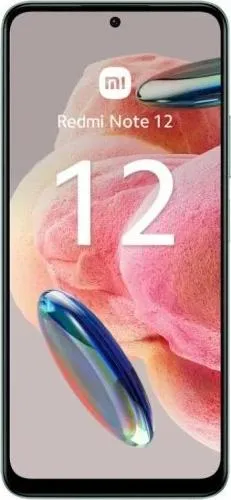
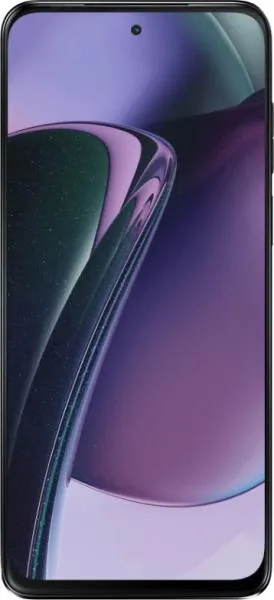
| Feature | Xiaomi Redmi Note 12 4G | Motorola Moto G Stylus 5G (2023) | Practical Impact |
|---|---|---|---|
| Design | |||
| Dimensions (mm) | 165.7 x 76 x 7.9 | 162.8 x 73.8 x 9.2 | Moto G Stylus is slightly shorter and narrower, but thicker. Redmi is lighter. |
| Weight (g) | 183.5 | 202 | Redmi is noticeably lighter for extended use. |
| Build | Not specified | Not specified | Build quality comparison impossible without further information. |
| Display | |||
| Display Type | AMOLED, 120Hz | IPS LCD, 120Hz | Redmi offers deeper blacks and more vibrant colors due to AMOLED. Moto G Stylus might be slightly better in direct sunlight. |
| Size (inches) | 6.67 | 6.6 | Negligible size difference. |
| Resolution | 1080 x 2400 | 1080 x 2400 | Identical resolution, resulting in similar sharpness. |
| Peak Brightness (nits) | 1200 | Not specified | Redmi's higher peak brightness ensures better visibility outdoors. |
| Performance | |||
| Chipset | Snapdragon 685 (6nm) | Snapdragon 6 Gen 1 (4nm) | Moto G Stylus has a significantly more powerful and efficient processor, leading to smoother multitasking and better gaming performance. |
| CPU | Octa-core (4x2.8 GHz Cortex-A73 & 4x1.9 GHz Cortex-A53) | Octa-core (4x2.2 GHz Cortex-A78 & 4x1.8 GHz Cortex-A55) | Moto G Stylus has a more modern CPU architecture, translating to improved performance and efficiency. |
| GPU | Adreno 610 | Adreno 710 | Moto G Stylus boasts a more capable GPU, providing a better gaming and graphics-intensive experience. |
| RAM | 4GB/6GB/8GB | 6GB/8GB | Both offer sufficient RAM for most users, though higher RAM options on both provide future-proofing. |
| Storage | 128GB/256GB | 128GB/256GB | Similar storage options. |
| Camera | |||
| Rear Camera | 50MP Main, 8MP Wide, 2MP Macro | 50MP Main, 8MP Wide+Macro | Moto G Stylus combines wide and macro into one lens; practical implications depend on individual usage. |
| Front Camera | 13MP | 16MP | Moto G Stylus has a higher resolution front camera, potentially resulting in slightly better selfies. |
| Video Recording | 1080p@30fps | 4K@30fps, 1080p@60fps | Moto G Stylus offers significantly better video recording capabilities with higher resolution and frame rate options. |
| Battery | |||
| Capacity | 5000 mAh | 5000 mAh | Identical battery capacity. |
| Fast Charging | 33W | 20W | Redmi charges significantly faster. |
2. Key Differences Analysis
Xiaomi Redmi Note 12 4G Advantages:
- Brighter Display: Better outdoor visibility.
- Faster Charging: Less downtime.
- Lighter Weight: More comfortable for extended use.
- AMOLED Display: Richer colors and deeper blacks.
Motorola Moto G Stylus 5G (2023) Advantages:
- Significantly Better Performance: Smoother multitasking, better gaming, and faster app loading.
- 5G Connectivity: Faster data speeds and improved network reliability in areas with 5G coverage.
- Higher Resolution Video Recording: Capture higher quality videos.
- Stylus Support: (Inferred from name) Enables note-taking and drawing.
Trade-offs:
- Redmi sacrifices performance for a brighter AMOLED display and faster charging.
- Moto G Stylus compromises on display quality and charging speed for better performance and 5G.
3. User Profiles & Recommendations
Xiaomi Redmi Note 12 4G:
- Ideal User: Budget-conscious users who prioritize media consumption, social media, and casual gaming. Users who need a bright display for outdoor use and value fast charging.
- Use Cases: Streaming videos, browsing social media, casual gaming, everyday communication.
Motorola Moto G Stylus 5G (2023):
- Ideal User: Users who demand smooth performance for multitasking, gaming, and demanding applications. Users who need 5G connectivity and value a stylus for note-taking or creative tasks.
- Use Cases: Mobile gaming, productivity tasks, using stylus for notes or drawing, leveraging 5G for fast downloads and streaming.
4. Decision Framework
Key Questions:
- What is your budget? The Redmi Note 12 is generally more affordable.
- Is 5G connectivity essential? Moto G Stylus offers 5G.
- What are your primary use cases? Gaming and productivity favor the Moto G Stylus; media consumption favors the Redmi Note 12.
Scenario-Based Recommendations:
- Tight Budget, Media Consumption Focus: Redmi Note 12 4G
- Performance Focused, Future-Proofing: Moto G Stylus 5G (2023)
- Need for Stylus, Note-Taking: Moto G Stylus 5G (2023)
My Choice: Motorola Moto G Stylus 5G (2023)
While the Redmi Note 12 4G offers a beautiful display and faster charging, the significantly superior performance of the Moto G Stylus 5G (2023), coupled with 5G connectivity and the likely inclusion of a stylus, makes it a more compelling choice for me. I prioritize long-term usability and a smooth user experience, which the Snapdragon 6 Gen 1 chip in the Moto G Stylus delivers. The added benefit of 5G future-proofs the device. While I appreciate the AMOLED display of the Redmi, the performance difference is substantial enough to sway my decision. The potential for stylus input adds a unique dimension for productivity and creativity. The slightly higher price is justified by these advantages.
