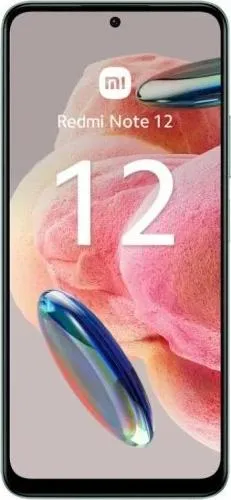
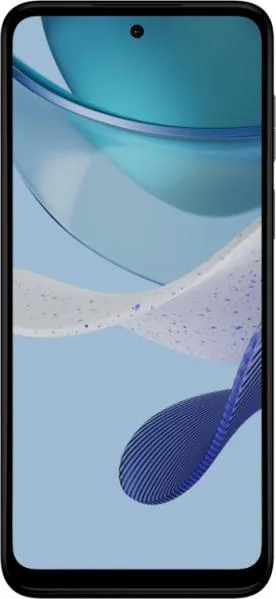
1. Specifications Comparison
| Feature | Xiaomi Redmi Note 12 4G | Motorola Moto G (2023) | Practical Impact |
|---|---|---|---|
| Design | |||
| Dimensions (mm) | 165.7 x 76 x 7.9 | 164 x 75 x 8.4 | Redmi is slightly taller and thinner, Moto G slightly thicker. Negligible difference in hand feel. |
| Weight (g) | 183.5 | 189 | Redmi is slightly lighter. |
| Build Materials | Not specified | Not specified | Cannot compare build quality and durability. |
| Display | |||
| Display Type | AMOLED, 120Hz | IPS LCD, 120Hz | Redmi's AMOLED offers richer colors, deeper blacks, and better power efficiency. Moto G's IPS LCD might offer better visibility in direct sunlight. |
| Resolution | 1080 x 2400 | 720 x 1600 | Redmi's significantly higher resolution provides sharper text and images. Noticeably better clarity for multimedia consumption. |
| Pixel Density (PPI) | 395 | 270 | Redmi's higher PPI further enhances sharpness and detail. |
| Peak Brightness | 1200 nits | Not specified | Redmi's higher peak brightness ensures better visibility outdoors. Moto G's unspecified brightness limits comparison. |
| Performance | |||
| Chipset | Snapdragon 685 (6nm) | Snapdragon 480+ 5G (8nm) | Redmi's 685 offers better CPU performance in demanding tasks. Moto G's 480+ has 5G connectivity. |
| CPU | Octa-core (4x2.8 GHz Cortex-A73 & 4x1.9 GHz Cortex-A53) | Octa-core (2x2.2 GHz Kryo 460 & 6x1.8 GHz Kryo 460) | Redmi's CPU configuration offers a stronger balance of performance and efficiency. Detailed comparison limited by lack of core details for Moto G. |
| GPU | Adreno 610 | Adreno 619 | Moto G's Adreno 619 provides slightly better graphics performance, especially noticeable in gaming. |
| RAM | 4GB/6GB/8GB | 4GB | Redmi offers more RAM options for better multitasking. |
| Camera | |||
| Rear Camera | 50MP Main, 8MP Wide, 2MP Macro | 48MP Main, 2MP Macro | Redmi offers a slightly higher resolution main sensor and a dedicated wide-angle lens, providing more versatility. |
| Front Camera | 13MP | 8MP | Redmi's higher resolution front camera should produce better selfies. |
| Video Recording | 1080p@30fps | 1080p@30fps | Both offer basic video recording capabilities. |
| Battery | |||
| Capacity | 5000 mAh | 5000 mAh | Both offer similar battery capacity. |
| Charging | 33W Fast Charging | 15W Fast Charging | Redmi charges significantly faster, reducing downtime. |
| Other | NFC | No NFC | Redmi supports contactless payments and data transfer via NFC. |
2. Key Differences Analysis
Xiaomi Redmi Note 12 4G Advantages:
- Superior Display: AMOLED with higher resolution and brightness.
- Better Performance: More powerful CPU and RAM options.
- More Versatile Camera: Dedicated wide-angle lens.
- Faster Charging: 33W vs 15W.
- NFC: Supports contactless payments.
Motorola Moto G (2023) Advantages:
- 5G Connectivity: Future-proof networking.
- Slightly Better GPU: Potentially smoother gaming experience.
3. User Profiles & Recommendations
Xiaomi Redmi Note 12 4G: Suitable for users prioritizing display quality, overall performance, camera versatility, and faster charging. Ideal for multimedia consumption, mobile photography, and everyday tasks.
Motorola Moto G (2023): Best for users who prioritize 5G connectivity and budget-conscious buyers who don't need top-tier performance or display quality. Suitable for basic tasks, web browsing, and casual gaming.
4. Decision Framework
Key Questions for Buyers:
- Is 5G connectivity crucial? If yes, the Moto G is the only option.
- What is your budget? The Moto G is generally more affordable.
- Which aspects of the phone are most important to you? (e.g., display, performance, camera, battery life).
My Choice: Xiaomi Redmi Note 12 4G
While the Motorola Moto G (2023) offers 5G, the Xiaomi Redmi Note 12 4G provides a significantly better overall user experience due to its superior AMOLED display, stronger performance, more versatile camera system, faster charging, and NFC functionality. The higher resolution and brighter display alone make a substantial difference in daily use. While I value 5G, the trade-offs in other areas are too significant for me. The Redmi Note 12 4G offers better value for its price. If 5G is an absolute necessity, waiting for a more well-rounded phone with 5G might be a better option in the long run.
