1. Specifications Comparison
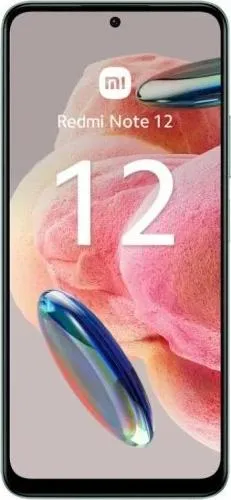
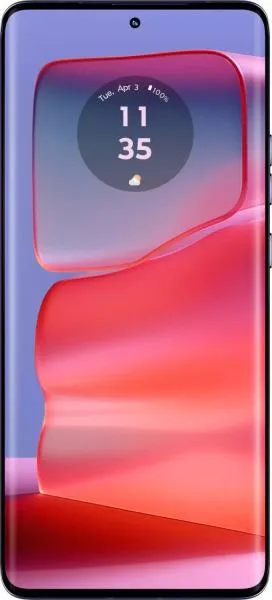
| Feature | Xiaomi Redmi Note 12 4G | Motorola Edge 50 Pro | Practical Impact |
|---|---|---|---|
| Design | |||
| Dimensions (mm) | 165.7 x 76 x 7.9 | 161.2 x 72.4 x 8.2 | Edge 50 Pro slightly smaller and potentially more comfortable to hold. |
| Weight (g) | 183.5 | 186 | Negligible weight difference. |
| Build Material | Not specified | Not specified | Cannot compare build quality and durability. |
| Display | |||
| Display Type | AMOLED, 120Hz | pOLED, 144Hz | Edge 50 Pro offers smoother scrolling and animations with higher refresh rate; potentially better blacks and power efficiency with pOLED. |
| Display Size (inches) | 6.67 | 6.7 | Negligible size difference. |
| Resolution | 1080 x 2400 | 1220 x 2712 | Edge 50 Pro has a sharper display with higher pixel density (446 ppi vs 395 ppi). |
| Peak Brightness (nits) | 1200 | 2000 | Edge 50 Pro significantly brighter, improving outdoor visibility. Also supports HDR10+ for better dynamic range in compatible content. |
| Performance | |||
| Chipset | Snapdragon 685 (6nm) | Snapdragon 7 Gen 3 (4nm) | Edge 50 Pro significantly more powerful, enabling smoother multitasking, faster app loading, and better gaming performance. |
| CPU | Octa-core (4x2.8 GHz Cortex-A73 & 4x1.9 GHz Cortex-A53) | Octa-core (1x2.63 GHz Cortex-A715 & 4x2.4 GHz Cortex-A715 & 3x1.8 GHz Cortex-A510) | Edge 50 Pro has a more modern and powerful CPU architecture. |
| GPU | Adreno 610 | Adreno 720 | Edge 50 Pro offers a significantly more powerful GPU for improved gaming and graphics-intensive tasks. |
| RAM | 4/6/8GB | 12GB | Edge 50 Pro offers much more RAM for significantly improved multitasking and app performance. |
| Camera | |||
| Main Camera | 50MP | 50MP | Similar megapixel count, but sensor details are missing for the Edge 50 Pro, making detailed comparison impossible. |
| Additional Cameras | 8MP Wide, 2MP Macro | 13MP Wide, 10MP Telephoto | Edge 50 Pro offers optical zoom with the telephoto lens, providing versatility in photography. |
| Video Recording | 1080p@30fps | Up to 4K@30fps with HDR, EIS | Edge 50 Pro offers superior video recording capabilities with higher resolution and frame rates, along with HDR and EIS. |
| Battery | |||
| Capacity | 5000 mAh | 4500 mAh | Redmi Note 12 has a larger battery, potentially offering longer battery life. |
| Fast Charging | 33W | 125W | Edge 50 Pro charges significantly faster. |
2. Key Differences Analysis
Xiaomi Redmi Note 12 4G Advantages:
- Larger Battery: Potentially longer battery life.
- Lower Price: Significantly more affordable.
Motorola Edge 50 Pro Advantages:
- Significantly More Powerful: Better performance in all aspects due to superior chipset, CPU, GPU, and more RAM.
- Sharper and Brighter Display: Higher resolution, refresh rate, and peak brightness, resulting in a smoother and more vibrant visual experience.
- Superior Camera System: Offers optical zoom and higher quality video recording capabilities.
- Faster Charging: Significantly reduced charging times.
- More Modern Connectivity: Wi-Fi 7, Bluetooth 5.4, and USB 3.1 with DisplayPort support.
3. User Profiles & Recommendations
Redmi Note 12 4G: Budget-conscious users prioritizing battery life for basic tasks like calling, browsing, and social media.
Edge 50 Pro: Users demanding high performance for gaming, multitasking, and media consumption; those who value a high-quality display and camera system.
4. Decision Framework
Key Questions for Buyers:
- What is your budget? The Redmi Note 12 is significantly cheaper.
- What are your primary use cases? Basic tasks vs. demanding applications.
- How important is future-proofing? The Edge 50 Pro offers more advanced connectivity and newer hardware.
My Choice: Motorola Edge 50 Pro
While the Redmi Note 12 4G offers a larger battery and lower price, the Motorola Edge 50 Pro presents a significantly more compelling package overall. The superior performance, display, camera system, and fast charging make it a much more capable and future-proof device. The higher price is justified by the substantial improvements in key areas. The 12GB of RAM ensures smooth multitasking for years to come, and the Snapdragon 7 Gen 3 chip provides ample power for demanding applications and gaming. The brighter, sharper display with a 144Hz refresh rate will deliver a noticeably better visual experience. Although the battery is smaller, the 125W fast charging mitigates this difference by drastically reducing charging time. Finally, the more advanced connectivity options further solidify its position as a more future-proof device. While individual preferences and budget constraints will play a role, the Edge 50 Pro offers a more well-rounded and compelling user experience for most users.
