1. Specifications Comparison
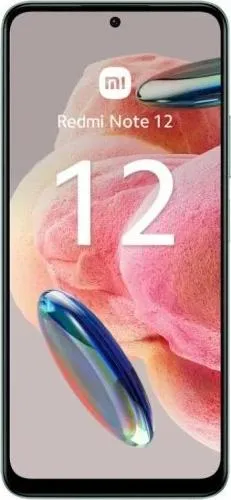
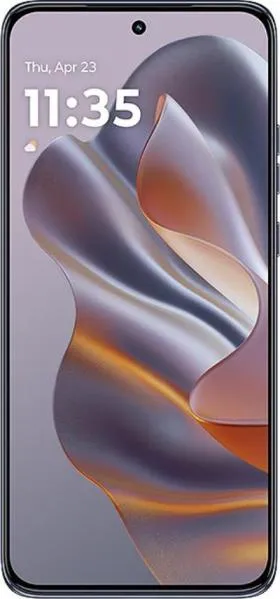
| Feature | Xiaomi Redmi Note 12 4G | Motorola Edge 50 Neo | Practical Impact |
|---|---|---|---|
| Design | |||
| Dimensions (mm) | 165.7 x 76 x 7.9 | 154.1 x 71.2 x 8.1 | Edge 50 Neo is slightly smaller and might feel more comfortable in hand. |
| Weight (g) | 183.5 | 171 | Edge 50 Neo is noticeably lighter, reducing hand fatigue. |
| Display | |||
| Display Type | AMOLED, 120Hz | LTPO P-OLED, 120Hz | Both offer smooth scrolling; P-OLED generally offers better blacks and power efficiency due to LTPO. |
| Display Size (inches) | 6.67 | 6.4 | Redmi Note 12 has a slightly larger screen for more immersive content consumption. |
| Resolution | 1080 x 2400 | 1256 x 2760 | Edge 50 Neo has a sharper display with higher pixel density (474 ppi vs 395 ppi). |
| Peak Brightness (nits) | 1200 | 3000 | Edge 50 Neo is significantly brighter, ensuring better visibility outdoors. |
| HDR | No Dolby Vision mentioned | HDR10+ | Edge 50 Neo supports HDR10+ for enhanced video quality with compatible content. |
| Performance | |||
| Chipset | Snapdragon 685 (6nm) | Dimensity 7300 (4nm) | Dimensity 7300 is significantly more powerful and power-efficient due to the smaller process node. |
| CPU | Octa-core (4x2.8 GHz A73 & 4x1.9 GHz A53) | Octa-core (4x2.5 GHz A78 & 4x2.0 GHz A55) | Edge 50 Neo has a more modern and powerful CPU architecture, resulting in smoother multitasking and faster app loading. |
| GPU | Adreno 610 | Mali-G615 MC2 | Edge 50 Neo likely has a stronger GPU, enabling better gaming performance. |
| RAM | 4/6/8GB | 8/12GB | Edge 50 Neo offers more RAM in its configurations, beneficial for heavy multitasking. |
| OS Updates | Up to Android 14 | Up to Android 19 | Edge 50 Neo will receive software updates for a significantly longer period, ensuring security and new features. |
| Camera | |||
| Main Camera | 50MP | 50MP | Resolution is similar, but sensor quality details for Redmi Note 12 may affect actual performance. Edge 50 Neo has a slightly larger sensor (1/1.56" vs 1/2.76"). |
| Ultrawide | 8MP | 13MP, Macro functionality | Edge 50 Neo offers a higher resolution ultrawide and combines it with macro functionality. |
| Telephoto | No | 10MP with 3x optical zoom | Edge 50 Neo has a dedicated telephoto lens for optical zoom, absent in the Redmi Note 12. |
| Video Recording | 1080p@30fps | Up to 4K@30fps with EIS | Edge 50 Neo offers significantly better video recording capabilities with higher resolution and Electronic Image Stabilization (EIS). |
| Battery | |||
| Capacity | 5000 mAh | 4310 mAh | Redmi Note 12 has a larger battery capacity, potentially offering longer battery life. |
| Fast Charging | 33W | 68W | Edge 50 Neo charges significantly faster. |
| Wireless Charging | No | 15W (mentioned in extras) | Edge 50 Neo supports wireless charging, offering convenience. |
2. Key Differences Analysis
Motorola Edge 50 Neo Advantages:
- Significantly more powerful: The Dimensity 7300 chipset, more RAM, and faster CPU cores offer a noticeable performance advantage in daily use and gaming.
- Better display: Brighter, sharper, with HDR10+ support, and more power-efficient due to LTPO technology.
- Superior camera system: Higher resolution ultrawide, dedicated telephoto lens with 3x optical zoom, 4K video recording, and EIS.
- Faster charging and wireless charging: 68W fast charging and 15W wireless charging offer added convenience.
- Longer software support: Guaranteed updates up to Android 19.
Xiaomi Redmi Note 12 4G Advantages:
- Larger battery: Potentially longer battery life.
- Slightly larger display: More immersive for media consumption. (subjective preference)
3. User Profiles & Recommendations
Xiaomi Redmi Note 12 4G: Budget-conscious users prioritizing battery life and a large display for basic tasks like browsing, social media, and casual video watching.
Motorola Edge 50 Neo: Users who value performance, a high-quality display, a versatile camera system, faster charging, and longer software updates. Suitable for gaming, photography enthusiasts, and those seeking a future-proof device.
4. Decision Framework
Key Questions for Buyers:
- What is your budget? The Edge 50 Neo is priced higher.
- What are your primary use cases? (Gaming, photography, basic tasks)
- How important are long-term software updates?
Scenario-Based Recommendations:
- Limited budget, basic usage: Redmi Note 12 4G
- Balanced performance and features: Motorola Edge 50 Neo
- Power user, gamer, photographer: Motorola Edge 50 Neo
My Choice: Motorola Edge 50 Neo
While the Redmi Note 12 4G offers a larger battery and slightly larger screen, the Motorola Edge 50 Neo provides a significantly superior overall package. The performance difference due to the Dimensity 7300 is substantial, and the improved display, camera system, faster charging, wireless charging, and longer software support make it a much more compelling device for the long term. The slightly higher price is justified by the notable upgrades. The future-proofing offered by extended software updates and the powerful chipset would be a deciding factor for me.
