1. Specifications Comparison
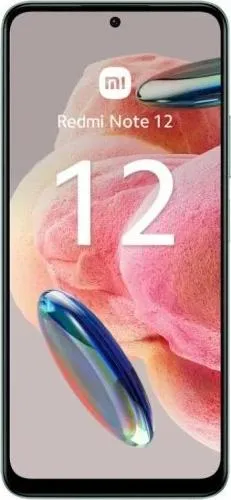
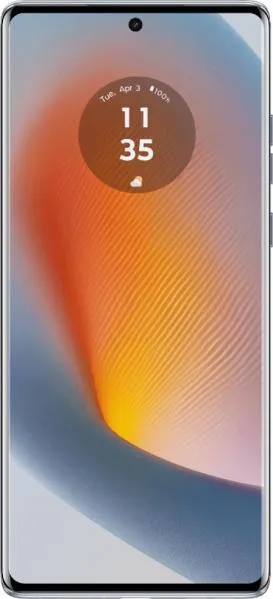
| Feature | Xiaomi Redmi Note 12 4G | Motorola Edge 50 Fusion | Practical Impact |
|---|---|---|---|
| Design | |||
| Dimensions (mm) | 165.7 x 76 x 7.9 | 161.9 x 73.1 x 7.9 | Edge 50 Fusion is slightly smaller and might feel more comfortable in hand. |
| Weight (g) | 183.5 | 174.9 | Edge 50 Fusion is noticeably lighter, reducing hand fatigue during extended use. |
| Fingerprint Sensor | Side-mounted | Under-display | Preference-based, but under-display is often perceived as more modern. |
| Display | |||
| Display Type | AMOLED, 120Hz | pOLED, 120/144Hz | Both offer smooth scrolling, but pOLED generally provides deeper blacks and better power efficiency. The higher refresh rate on the Edge 50 Fusion (in some regions) offers a slightly smoother experience. |
| Peak Brightness (nits) | 1200 | 1600 | Edge 50 Fusion offers significantly better outdoor visibility. |
| Color Depth | Not specified | 1B | Edge 50 Fusion supports a wider color gamut, resulting in more vibrant and accurate colors. |
| Performance | |||
| Chipset | Snapdragon 685 (6nm) | Snapdragon 7s Gen 2 (4nm) | Edge 50 Fusion boasts a significantly more powerful and efficient processor, enabling smoother multitasking, faster app loading, and better gaming performance. |
| CPU | Octa-core (4x2.8 GHz A73 & 4x1.9 GHz A53) | Octa-core (4x2.4 GHz A78 & 4x1.95 GHz A55) | Edge 50 Fusion uses newer and more powerful CPU cores, resulting in a noticeable performance difference. |
| GPU | Adreno 610 | Adreno 710 | Edge 50 Fusion has a much more capable GPU, delivering significantly better gaming and graphics performance. |
| RAM | 4/6/8GB | 8/12GB | Edge 50 Fusion offers more RAM in its base configuration, enhancing multitasking capabilities. |
| OS Updates | Up to Android 14 | Up to Android 17 | Edge 50 Fusion will receive software updates for a longer period, ensuring security and new features. |
| Camera | |||
| Main Camera | 50MP, f/1.8 | 50MP, f/1.8, OIS | Both have similar resolution, but Edge 50 Fusion benefits from Optical Image Stabilization (OIS) for sharper photos and videos, especially in low light. |
| Video Recording | 1080p@30fps | Up to 4K@30fps with EIS | Edge 50 Fusion offers significantly better video recording capabilities with higher resolution and Electronic Image Stabilization (EIS). |
| Selfie Camera | 13MP | 32MP | Edge 50 Fusion has a much higher resolution selfie camera. |
| Battery | |||
| Capacity | 5000 mAh | 5000 mAh | Similar battery capacity on both phones. |
| Fast Charging | 33W | 68W | Edge 50 Fusion charges significantly faster. |
2. Key Differences Analysis
Motorola Edge 50 Fusion Advantages:
- Significantly better performance: The Snapdragon 7s Gen 2, coupled with more RAM, provides a substantial performance advantage for demanding tasks and gaming.
- Superior camera system: OIS on the main camera and higher resolution video recording make a noticeable difference in image and video quality.
- Faster charging: 68W fast charging significantly reduces downtime.
- Longer software support: Guaranteed updates to Android 17 ensure a longer lifespan.
- Brighter Display: Better visibility in direct sunlight.
Xiaomi Redmi Note 12 4G Advantages:
- Potentially Lower Price: Depending on the specific RAM/storage configuration, the Redmi Note 12 may be more affordable.
3. User Profiles & Recommendations
Xiaomi Redmi Note 12 4G: Budget-conscious users who prioritize basic functionality (calling, texting, social media) and light gaming.
Motorola Edge 50 Fusion: Users who demand smoother performance, better camera quality, faster charging, and longer software updates. Ideal for mobile gaming, photography enthusiasts, and power users.
4. Decision Framework
Key Questions for Buyers:
- What is your budget? The Redmi Note 12 4G is likely the more affordable option.
- What are your performance needs? For demanding tasks and gaming, the Edge 50 Fusion is the clear winner.
- How important is camera quality? The Edge 50 Fusion offers superior camera features, particularly with OIS and 4K video recording.
My Choice: Motorola Edge 50 Fusion
The Motorola Edge 50 Fusion is the superior device overall. While potentially more expensive, the significant improvements in performance, camera quality, charging speed, and software support justify the price difference for most users. The Snapdragon 7s Gen 2 provides a much smoother and more responsive user experience compared to the Redmi Note 12 4G's Snapdragon 685. The addition of OIS to the main camera and the capability to record 4K video are significant advantages for anyone who values photography and videography. Finally, the longer software update commitment from Motorola provides peace of mind and ensures the device remains secure and up-to-date for a longer period. The Redmi Note 12 4G is a viable option only for extremely budget-conscious buyers who prioritize price above all else.
