
1. Specifications Comparison
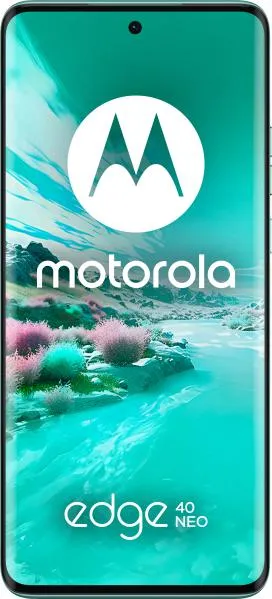
| Feature | Xiaomi Redmi Note 12 4G | Motorola Edge 40 Neo | Practical Impact |
|---|---|---|---|
| Design | |||
| Dimensions (mm) | 165.7 x 76 x 7.9 | 159.6 x 72 x 7.9 | Edge 40 Neo is slightly smaller and may be more comfortable for one-handed use. |
| Weight (g) | 183.5 | 170 | Edge 40 Neo is noticeably lighter, reducing hand fatigue. |
| Display | |||
| Display Type | AMOLED, 120Hz | pOLED, 144Hz | Both offer smooth scrolling and animations, but the Edge 40 Neo's 144Hz might be slightly smoother for gaming. P-OLED generally offers better blacks and power efficiency. |
| Display Size | 6.67" | 6.55" | Negligible difference in screen real estate. |
| Resolution | 1080 x 2400 | 1080 x 2400 | Identical resolution, resulting in similar sharpness. |
| Peak Brightness | 1200 nits | 1300 nits | Edge 40 Neo should be slightly more visible in direct sunlight. |
| HDR | No Dolby Vision, HDR10/10+ unclear | HDR10+ | Edge 40 Neo offers better dynamic range and color accuracy in HDR content. |
| Performance | |||
| Chipset | Snapdragon 685 (6nm) | Dimensity 7030 (6nm) | Dimensity 7030 generally offers better CPU and GPU performance, leading to faster app loading, smoother multitasking, and better gaming capabilities. |
| CPU | Octa-core (4x2.8 GHz A73 & 4x1.9 GHz A53) | Octa-core (2x2.5 GHz A78 & 6x2.0 GHz A55) | Edge 40 Neo has more powerful cores (A78 vs A73) for demanding tasks. |
| GPU | Adreno 610 | Mali-G610 MC3 | Mali-G610 MC3 generally outperforms Adreno 610 in graphics-intensive tasks like gaming. |
| RAM | 4/6/8GB | 12GB | Significantly more RAM in Edge 40 Neo enables superior multitasking and reduces app closures. |
| Camera | |||
| Rear Camera | 50MP Main, 8MP Wide, 2MP Macro | 50MP Main, 13MP Wide+Macro | Edge 40 Neo's combined wide and macro lens could offer more versatility, but image quality depends on sensor and processing. |
| Front Camera | 13MP | 32MP | Edge 40 Neo likely produces higher resolution selfies. |
| Video Recording | 1080p@30fps | Up to 4K@30fps, 1080p@240fps | Edge 40 Neo offers significantly better video recording capabilities with higher resolution and slow-motion options. |
| OIS | No | Yes | Edge 40 Neo's optical image stabilization results in smoother videos and potentially better low-light photos. |
| Battery | |||
| Capacity | 5000 mAh | 5000 mAh | Similar battery capacity suggests comparable battery life. |
| Fast Charging | 33W | 68W | Edge 40 Neo charges significantly faster. |
2. Key Differences Analysis
Motorola Edge 40 Neo Advantages:
- Significantly better performance: The Dimensity 7030, coupled with 12GB RAM, provides a smoother and faster user experience for demanding tasks and gaming.
- Superior camera features: OIS, 4K video recording, and a higher-resolution front camera offer greater versatility and quality.
- Faster charging: 68W fast charging significantly reduces downtime.
- More modern connectivity: Supports WiFi 6 and Bluetooth 5.4
- Brighter display: Better visibility in bright sunlight
Xiaomi Redmi Note 12 4G Advantages:
- Potentially lower price: Depending on the specific configuration, the Redmi Note 12 could be more affordable. (Specific prices not directly comparable in the given data).
3. User Profiles & Recommendations
Redmi Note 12 4G: Budget-conscious users who prioritize basic functionality and long battery life over high performance and advanced features. Ideal for casual web browsing, social media, and light gaming.
Edge 40 Neo: Users who demand a smooth and responsive experience for multitasking, gaming, and media consumption. Content creators will appreciate the superior camera features.
4. Decision Framework
Key Questions for Buyers:
- What is your budget? The Redmi Note 12 4G likely offers a lower entry price.
- What are your primary use cases? For demanding tasks and gaming, the Edge 40 Neo is superior.
- How important are camera features and quality? The Edge 40 Neo significantly outperforms the Redmi Note 12 in this area.
My Choice: Motorola Edge 40 Neo
While price is always a factor, the Motorola Edge 40 Neo offers a significantly better overall package. The superior performance, camera capabilities (especially video recording with OIS), faster charging, and brighter display make it a more compelling device for a wider range of users. The 12GB RAM is a major advantage for future-proofing and ensuring smooth multitasking. While the Redmi Note 12 4G offers a decent budget option, the Edge 40 Neo provides a more enjoyable and versatile user experience. The performance difference between the Snapdragon 685 and Dimensity 7030, combined with the RAM disparity, would noticeably impact daily usage. The improved camera features of the Edge 40 Neo are also substantial for anyone who values photography and videography.
