
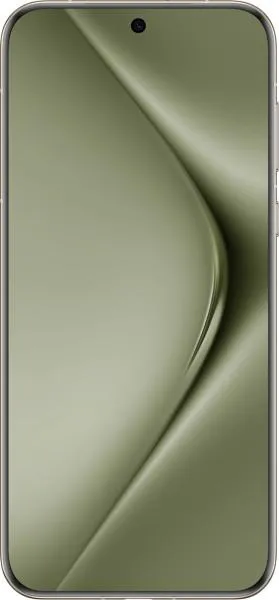
1. Specifications Comparison
| Feature | Xiaomi Redmi Note 12 4G | Huawei Pura 70 Ultra | Practical Impact |
|---|---|---|---|
| Design | |||
| Dimensions (mm) | 165.7 x 76 x 7.9 | 162.6 x 75.1 x 8.4 | Redmi is slightly taller and thinner, Pura is slightly wider and thicker. Negligible difference in hand feel. |
| Weight (g) | 183.5 | 226 | Pura is significantly heavier, potentially impacting one-handed use and pocket comfort. |
| Build Material | Unspecified | Unspecified | Material affects durability and premium feel; information lacking for both. |
| Display | |||
| Display Size (inches) | 6.67 | 6.8 | Pura offers a slightly larger screen for more immersive media consumption. |
| Resolution | 1080 x 2400 | 1260 x 2844 | Pura has a sharper display with higher pixel density, resulting in clearer text and images. |
| Display Type | AMOLED, 120Hz | LTPO OLED, 120Hz | Both offer smooth scrolling and animations thanks to 120Hz. LTPO on Pura allows for variable refresh rate, potentially saving battery. Pura boasts a higher peak brightness (2500 nits vs 1200 nits) for better visibility in sunlight. |
| Performance | |||
| Chipset | Snapdragon 685 (6nm) | Kirin 9010 (7nm) | Kirin 9010 is significantly more powerful, enabling smoother multitasking, faster app loading, and better gaming performance. |
| CPU | Octa-core (4x2.8 GHz Cortex-A73 & 4x1.9 GHz Cortex-A53) | Octa-core (1x2.3 GHz Taishan Big & 3x2.18 GHz Taishan Mid & 4x1.55 GHz Cortex-A510) | Kirin 9010's architecture suggests superior performance compared to the Snapdragon 685, especially in demanding tasks. |
| RAM | 4/6/8GB | 16GB | Pura's 16GB RAM ensures smooth multitasking even with numerous apps open. Redmi's RAM options offer less future-proofing. |
| Storage | 128/256GB | 512GB/1TB | Pura offers much larger storage options for users with extensive media libraries. |
| Camera | |||
| Main Camera | 50MP | 50MP | Both have high resolution sensors. Practical image quality depends on sensor size, processing, and lens quality, which requires further analysis beyond the provided data. Pura utilizes the larger Sony IMX989 sensor, known for its excellent low-light performance. |
| Other Cameras | 8MP Wide, 2MP Macro | 40MP Wide, 50MP Telephoto | Pura offers a more versatile camera system with a high-resolution ultrawide and a telephoto lens for optical zoom. |
| Battery | |||
| Capacity | 5000 mAh | 5200 mAh | Marginal difference in battery capacity. Real-world battery life depends on software optimization and usage patterns. |
| Charging | 33W Fast Charging | 100W Fast Charging, 80W Wireless Charging | Pura offers significantly faster wired and wireless charging, minimizing downtime. |
2. Key Differences Analysis
Xiaomi Redmi Note 12 4G Advantages:
- Lower Price: Significantly more affordable.
- Lighter Weight: More comfortable for extended use and one-handed operation.
Huawei Pura 70 Ultra Advantages:
- Significantly More Powerful: Superior performance in all aspects due to the Kirin 9010 chipset and 16GB RAM.
- Sharper Display: Higher resolution and pixel density for a crisper viewing experience. Brighter display for better outdoor visibility.
- More Versatile Camera System: Telephoto lens for optical zoom and high-resolution ultrawide sensor. Larger main sensor likely offers better low-light performance.
- Faster Charging: Significantly faster wired and wireless charging.
- Larger Storage Options: More room for apps, photos, and videos.
3. User Profiles & Recommendations
Xiaomi Redmi Note 12 4G:
- Budget-conscious users: Prioritize affordability over top-tier specs.
- Light users: Primarily use phone for basic tasks like calling, texting, and social media.
Huawei Pura 70 Ultra:
- Power users: Demand top-tier performance for gaming, multitasking, and demanding applications.
- Photography enthusiasts: Value a versatile camera system with optical zoom and high-resolution sensors.
- Users who prioritize a premium experience: Value a sharp display, fast charging, and ample storage.
4. Decision Framework
Key Questions for Buyers:
- What is your budget? The Redmi is a budget-friendly option, while the Pura is a premium device.
- What are your primary phone usage patterns? Light users might find the Redmi sufficient, while power users and photography enthusiasts would benefit from the Pura's capabilities.
- Which features are most important to you? Prioritize features like camera quality, performance, display, or battery life based on your needs.
My Choice: Huawei Pura 70 Ultra
While the price difference is substantial, the Huawei Pura 70 Ultra offers a significant leap in performance, camera capabilities, and overall user experience. The Kirin 9010, coupled with 16GB RAM, ensures smooth performance for years to come. The superior camera system, brighter and sharper display, and incredibly fast charging are compelling advantages. As someone who values a fluid and responsive experience, a high-quality camera, and minimal downtime for charging, the Pura 70 Ultra aligns better with my needs. The Redmi Note 12 is a solid budget option, but the Pura's advantages justify the higher price for my use case.
