1. Specifications Comparison
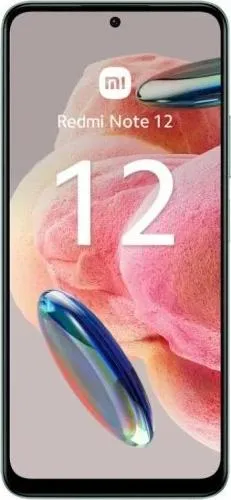
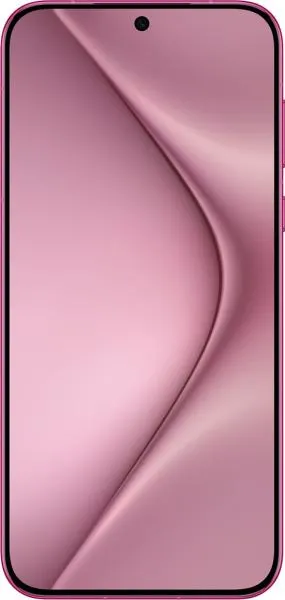
| Feature | Xiaomi Redmi Note 12 4G | Huawei Pura 70 | Practical Impact |
|---|---|---|---|
| Design | |||
| Dimensions (mm) | 165.7 x 76 x 7.9 | 157.6 x 74.3 x 8 | Redmi is slightly taller and narrower. Huawei might feel slightly more compact in hand. |
| Weight (g) | 183.5 | 207 | Redmi is noticeably lighter, reducing hand fatigue during extended use. |
| Display | |||
| Display Type | AMOLED, 120Hz | LTPO OLED, 120Hz | Both offer smooth scrolling and animations. LTPO on the Huawei allows for dynamic refresh rate adjustment, potentially saving battery. |
| Display Size (inches) | 6.67 | 6.6 | Negligible size difference in real-world usage. |
| Resolution | 1080 x 2400 | 1256 x 2760 | Huawei has a sharper display with higher pixel density, resulting in crisper text and images. |
| Peak Brightness (nits) | 1200 | 2500 | Huawei's significantly higher peak brightness ensures better visibility in direct sunlight. |
| Color Depth | Not specified | 1B | Huawei supports a wider color gamut, potentially offering more vibrant and accurate colors. Missing information for the Redmi makes direct comparison difficult. |
| Performance | |||
| Chipset | Snapdragon 685 (6nm) | Kirin 9000S1 | Kirin 9000S1 is significantly more powerful, enabling smoother multitasking, faster app loading, and better gaming performance. |
| CPU | Octa-core (4x2.8 GHz Cortex-A73 & 4x1.9 GHz Cortex-A53) | Octa-core | Specific core configuration for Huawei is missing, making detailed CPU comparison impossible. However, based on chipset differences, Huawei is expected to perform better. |
| GPU | Adreno 610 | Maleoon 910 | Huawei's GPU is expected to be significantly more powerful, delivering a superior gaming and graphics-intensive application experience. |
| RAM | 4GB/6GB/8GB | 12GB | Huawei offers significantly more RAM, allowing for more apps to run in the background without performance slowdown. |
| Camera | |||
| Main Camera | 50MP | 50MP | Both have the same megapixel count. Huawei has a larger sensor (1/1.3") and wider aperture (f/1.4) which should result in better low-light performance and depth of field. |
| Ultrawide | 8MP | 13MP | Huawei offers a higher resolution ultrawide camera. |
| Telephoto | 2MP Macro | 12MP | Huawei features a dedicated telephoto lens enabling optical zoom, while Redmi only offers a low-resolution macro lens. |
| Video Recording | 1080p@30fps | Unspecified | Redmi's video capabilities are limited. Missing information for Huawei prevents a complete comparison. |
| Battery | |||
| Capacity | 5000 mAh | 4900 mAh | Negligible difference in battery capacity. Real-world battery life will depend more on software optimization and usage patterns. |
| Charging | 33W Wired | 65W Wired, 50W Wireless | Huawei offers significantly faster wired charging and also supports fast wireless charging. |
2. Key Differences Analysis
Xiaomi Redmi Note 12 4G Advantages:
- Lighter and More Affordable: Significantly lighter and cheaper, making it more accessible and comfortable for casual use.
Huawei Pura 70 Advantages:
- Significantly More Powerful: The Kirin 9000S1, higher RAM, and more powerful GPU provide a vastly superior performance for demanding tasks and gaming.
- Superior Display: Sharper, brighter, and with a wider color gamut, offering a more immersive visual experience.
- More Versatile Camera System: Includes a telephoto lens for optical zoom and a larger main sensor with a wider aperture for better low-light photography.
- Faster Charging: Supports much faster wired and wireless charging, minimizing downtime.
3. User Profiles & Recommendations
Xiaomi Redmi Note 12 4G:
- Ideal User: Budget-conscious users prioritizing basic smartphone functionality: calling, texting, social media, web browsing, and light gaming.
- Use Cases: Everyday communication, casual photography, content consumption.
Huawei Pura 70:
- Ideal User: Power users, gamers, photography enthusiasts, and those seeking a premium smartphone experience without compromise.
- Use Cases: Demanding mobile gaming, professional photography and videography, multitasking, content creation.
4. Decision Framework
Key Questions for Buyers:
- What is your budget? The Redmi Note 12 is significantly more affordable.
- What is your primary smartphone usage? For basic tasks, the Redmi suffices. For demanding tasks and gaming, the Huawei excels.
- Which features are most important to you? Prioritize display quality, camera capabilities, performance, or battery charging speed based on your needs.
My Choice: Huawei Pura 70
While significantly more expensive, the Huawei Pura 70 offers a substantially superior overall experience. The performance difference is vast, the display is stunning, the camera system is far more versatile, and the faster charging is a major convenience. While the Redmi Note 12 4G is a solid budget option, the Pura 70's premium features justify the higher price for users who demand the best. The lack of specific details on certain specs like video recording capabilities for the Huawei doesn't deter from its clear advantages in other crucial areas. The substantial upgrade in chipset, display, and camera makes it a more future-proof choice.
