1. Specifications Comparison
| Feature | Xiaomi Redmi Note 12 4G | Huawei nova 12i | Practical Impact |
|---|---|---|---|
| Design | |||
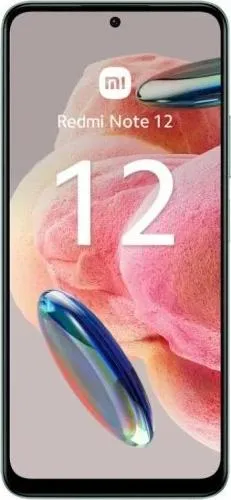
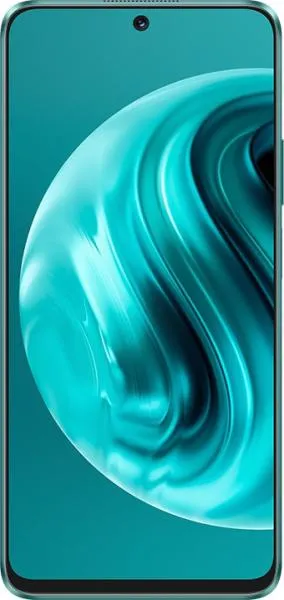
| Dimensions (mm) | 165.7 x 76 x 7.9 | 163.3 x 74.7 x 8.4 | Redmi is slightly taller and thinner. Nova 12i is slightly wider and thicker. Negligible difference in daily use. |
| Weight (g) | 183.5 | 199 | Redmi is noticeably lighter, reducing hand fatigue during extended use. |
| Display | |||
| Display Type | AMOLED, 120Hz | IPS LCD, 90Hz | Redmi offers more vibrant colors, deeper blacks, and smoother scrolling thanks to AMOLED and higher refresh rate. Nova's LCD might be preferable in bright sunlight. |
| Display Size (inches) | 6.67 | 6.7 | Virtually identical screen real estate. |
| Resolution (px) | 1080 x 2400 | 1080 x 2388 | Nearly identical sharpness. |
| Peak Brightness (nits) | 1200 | Not specified | Redmi's higher peak brightness ensures better visibility outdoors. Missing Nova's peak brightness limits comparison. |
| Performance | |||
| Chipset | Snapdragon 685 (6nm) | Snapdragon 680 (6nm) | Redmi's 685 offers a slightly higher clock speed on performance cores, potentially resulting in slightly faster app loading and multitasking. Difference likely minimal in real-world use. |
| CPU | Octa-core (4x2.8 GHz Cortex-A73 & 4x1.9 GHz Cortex-A53) | Octa-core (4x2.4 GHz Cortex-A73 & 4x1.9 GHz Cortex-A53) | Similar CPU architecture, but Redmi's higher clock speed could offer a slight performance edge. |
| GPU | Adreno 610 | Adreno 610 | Identical GPUs, indicating similar gaming performance. |
| RAM (GB) | 4/6/8 | 8 | Nova 12i offers more RAM in the specified variant, improving multitasking and reducing app closures. |
| OS | Android 13 | Not specified | Redmi's OS details are known; missing Nova's OS information hinders comparison. |
| Camera | |||
| Main Camera (MP) | 50 | 108 | Nova 12i boasts higher resolution, potentially capturing more detail. However, sensor size and image processing significantly impact overall quality, which cannot be fully assessed with given data. |
| Front Camera (MP) | 13 | 8 | Redmi has a higher resolution front camera. |
| Video Recording | 1080p@30fps | 1080p@30fps | Both offer basic video recording capabilities. |
| Battery | |||
| Capacity (mAh) | 5000 | 5000 | Identical battery capacity suggesting similar battery life. Real-world usage may vary depending on software optimization. |
| Fast Charging (W) | 33 | 40 | Nova 12i offers faster charging. |
2. Key Differences Analysis
Xiaomi Redmi Note 12 4G Advantages:
- Superior Display: AMOLED with 120Hz refresh rate provides a significantly better visual experience.
- Lighter Design: Noticeably lighter, enhancing one-handed usability.
- Slightly Faster CPU: Potentially quicker app loading and multitasking.
Huawei nova 12i Advantages:
- Higher Resolution Main Camera: Potentially captures more detailed photos (depending on other sensor characteristics not specified).
- More RAM: 8GB RAM ensures smoother multitasking.
- Faster Charging: Reduces downtime.
Trade-offs:
- Redmi: Lower resolution main camera, slower charging.
- Nova 12i: LCD screen with a lower refresh rate, heavier, potentially higher price depending on configuration. Missing OS details are a significant drawback for evaluation.
3. User Profiles & Recommendations
Xiaomi Redmi Note 12 4G: Ideal for users prioritizing display quality, comfortable handling, and general performance on a budget. Excellent for media consumption, social media, and light gaming.
Huawei nova 12i: Potentially suited for users prioritizing camera resolution, multitasking performance, and fast charging. Suitable for casual photography and demanding applications, though missing OS details make a firm recommendation difficult.
4. Decision Framework
Key Questions for Buyers:
- Is display quality a top priority? If yes, Redmi's AMOLED with 120Hz is a clear winner.
- How important is camera quality? While Nova 12i boasts higher megapixels, other factors contribute to image quality. Research camera reviews before deciding. Missing details hinder full analysis.
- What is your budget and required storage? Compare prices for different RAM and storage configurations.
My Choice
I would choose the Xiaomi Redmi Note 12 4G. The superior AMOLED display with a 120Hz refresh rate significantly enhances the daily user experience. While the Nova 12i has a higher resolution main camera and faster charging, the lack of crucial information regarding its operating system, coupled with the LCD screen, makes it a less compelling choice for me. The Redmi's lighter weight also contributes to a more comfortable user experience. Ultimately, the Redmi provides a more well-rounded package based on available information, prioritizing aspects that contribute significantly to daily usage satisfaction. However, if detailed camera reviews demonstrate significantly better real-world performance from the Nova 12i and the OS is confirmed to be acceptable, my decision might change.
