1. Specifications Comparison
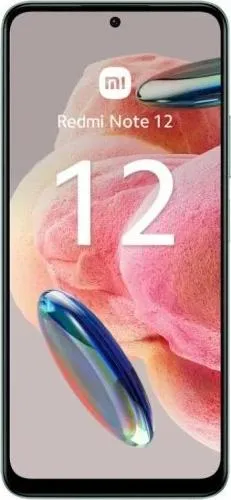
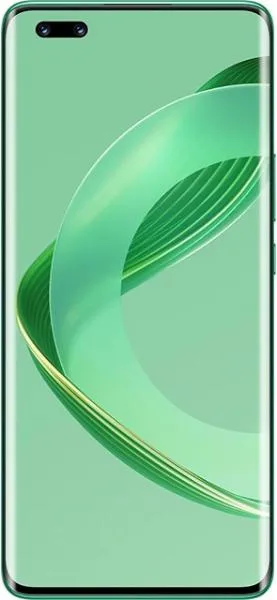
| Feature | Xiaomi Redmi Note 12 4G | Huawei nova 11 Pro | Practical Impact |
|---|---|---|---|
| Design | |||
| Dimensions (mm) | 165.7 x 76 x 7.9 | 164.3 x 74.4 x 7.9 | Nova 11 Pro is slightly shorter and narrower. Negligible difference in daily use. |
| Weight (g) | 183.5 | 188 | Nova 11 Pro is slightly heavier, but the difference is minimal. |
| Display | |||
| Size (inches) | 6.67 | 6.78 | Nova 11 Pro has a slightly larger display, providing a more immersive experience for media consumption. |
| Resolution (px) | 1080 x 2400 | 1200 x 2652 | Nova 11 Pro has a sharper display due to the higher resolution. |
| Panel Type | AMOLED, 120Hz | OLED, 120Hz | Both offer smooth scrolling and animations thanks to the 120Hz refresh rate. AMOLED generally offers better contrast and deeper blacks. |
| Peak Brightness (nits) | 1200 | 950 | Redmi Note 12's higher peak brightness ensures better visibility outdoors in bright sunlight. |
| Color Depth | Not specified | 1B | Nova 11 Pro supports 1 Billion colors, resulting in smoother color gradients and more realistic images, though discerning this may require a trained eye. |
| Performance | |||
| Chipset | Snapdragon 685 (6nm) | Snapdragon 778G 4G (6nm) | The 778G in the Nova 11 Pro offers significantly better performance for demanding tasks like gaming and multitasking. |
| CPU | Octa-core (4x2.8 GHz Cortex-A73 & 4x1.9 GHz Cortex-A53) | Octa-core (4x2.4 GHz Kryo 670 & 4x1.8 GHz Kryo 670) | 778G's Kryo 670 cores offer improved performance and efficiency compared to the Cortex cores in the 685. |
| GPU | Adreno 610 | Adreno 642L | Nova 11 Pro's GPU offers notably better graphics performance, beneficial for gaming and graphically demanding apps. |
| RAM | 4GB/6GB/8GB | 6GB/8GB/12GB | More RAM options available for the Nova 11 Pro, with higher configurations enabling smoother multitasking. |
| Camera | |||
| Main Camera (MP) | 50 | 50 | Similar megapixel count, but sensor details for Nova 11 Pro are missing, making a detailed comparison impossible. |
| Selfie Camera (MP) | 13 | 60 | Nova 11 Pro has a significantly higher resolution selfie camera, potentially resulting in much better selfie quality. |
| Video Recording | 1080p@30fps | 720p@960fps with EIS | Redmi Note 12 offers standard 1080p video. Nova 11 Pro offers super slow-motion at 960fps, but max resolution for standard video recording is not specified. |
| Battery | |||
| Capacity (mAh) | 5000 | 4500 | Redmi Note 12 has a larger battery, potentially leading to longer battery life. |
| Fast Charging (W) | 33 | 100 | Nova 11 Pro supports significantly faster charging, minimizing downtime. |
2. Key Differences Analysis
Xiaomi Redmi Note 12 4G Advantages:
- Larger Battery: Potentially longer battery life.
- Brighter Display: Better outdoor visibility.
- Lower Price: More budget-friendly.
Huawei nova 11 Pro Advantages:
- Significantly Better Performance: Smoother multitasking and gaming.
- Sharper Display: More detailed visuals.
- Higher Resolution Selfie Camera: Superior selfie quality.
- Much Faster Charging: Less downtime.
- 10-bit color depth: More vibrant and accurate color representation
3. User Profiles & Recommendations
Xiaomi Redmi Note 12 4G: Budget-conscious users who prioritize long battery life and basic smartphone functionality. Suitable for casual usage like web browsing, social media, and light gaming.
Huawei nova 11 Pro: Users who demand high performance for gaming, multitasking, and demanding applications. Also ideal for users who value a high-quality display and camera, particularly for selfies.
4. Decision Framework
Key Questions for Buyers:
- What is your budget? The Redmi Note 12 4G is significantly more affordable.
- What is your primary usage? For basic tasks, the Redmi Note 12 suffices. For demanding tasks and gaming, the Nova 11 Pro is much better.
- How important is camera quality? The Nova 11 Pro boasts a much better selfie camera and potentially better overall camera quality (depending on unspecified sensor details).
My Choice: Huawei nova 11 Pro
While the Redmi Note 12 4G offers a larger battery and lower price, the Huawei nova 11 Pro's significantly superior performance, sharper display, better selfie camera, and incredibly fast charging are more compelling for my needs. I prioritize a smooth and responsive user experience, which the Snapdragon 778G delivers. The 100W fast charging is a huge convenience, minimizing downtime. Though the battery is smaller, the efficiency of the 778G could potentially offset this difference in real-world usage. The lack of specific camera sensor details for the Nova 11 Pro is a concern, but the available information suggests a superior camera setup overall. The higher price is justified by the significant performance and feature upgrades.
