1. Specifications Comparison
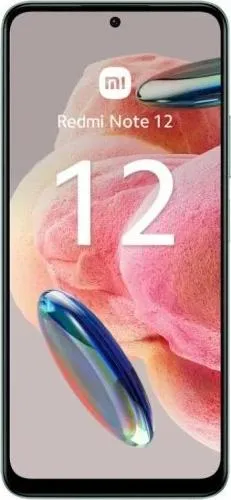
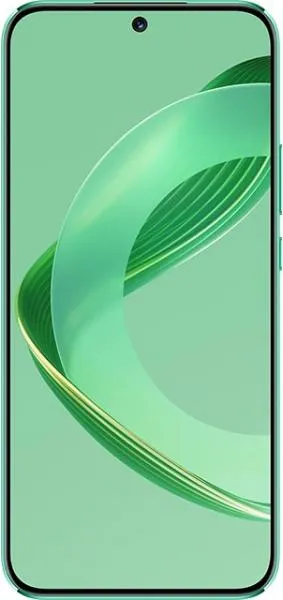
| Feature | Xiaomi Redmi Note 12 4G | Huawei nova 11 | Practical Impact |
|---|---|---|---|
| Design | |||
| Dimensions (mm) | 165.7 x 76 x 7.9 | 161.3 x 75 x 6.9 | Nova 11 is noticeably smaller and thinner, making it more pocketable and comfortable to hold. |
| Weight (g) | 183.5 | 168 | Nova 11 is significantly lighter, reducing hand fatigue during extended use. |
| Fingerprint Sensor | Side-mounted | Under-display | Preference-based; under-display is often perceived as more modern, but side-mounted can be faster and more reliable. |
| Display | |||
| Display Type | AMOLED, 120Hz | OLED, 120Hz | Both offer smooth scrolling and animations thanks to the 120Hz refresh rate. The specific OLED implementations might have slight differences in color accuracy and brightness, but both should offer vibrant visuals. Nova 11 supports 1 Billion colors which allows for smoother color gradients. |
| Display Size (inches) | 6.67 | 6.7 | Negligible size difference. |
| Resolution | 1080 x 2400 | 1084 x 2412 | Virtually identical resolutions, resulting in similar sharpness. |
| Peak Brightness (nits) | 1200 | 950 | Redmi Note 12 4G should offer better visibility in direct sunlight. |
| Performance | |||
| Chipset | Snapdragon 685 (6nm) | Snapdragon 778G 4G (6nm) | 778G is significantly more powerful, enabling smoother multitasking, faster app loading, and better gaming performance. |
| CPU | Octa-core (4x2.8 GHz Cortex-A73 & 4x1.9 GHz Cortex-A53) | Octa-core (4x2.4 GHz Kryo 670 & 4x1.8 GHz Kryo 670) | 778G's Kryo 670 cores offer superior performance and efficiency compared to the Cortex cores in the 685. |
| GPU | Adreno 610 | Adreno 642L | 642L provides a substantial boost in graphics performance for demanding games and applications. |
| RAM | 4/6/8GB | 8/12GB | Nova 11 offers more RAM in its configurations, improving multitasking and overall system responsiveness. |
| Camera | |||
| Main Camera | 50MP | 50MP | Megapixel count is similar, but image quality depends on sensor size, aperture, and processing. Detailed comparison is limited by missing sensor information for the Nova 11. |
| Selfie Camera | 13MP | 60MP | Nova 11 boasts a significantly higher resolution selfie camera, potentially capturing more detail. |
| Video Recording | 1080p@30fps | 720p@960fps (Slow-mo), Unspecified standard video resolution | Redmi Note 12 can record at higher resolution for standard videos, but Nova 11 offers impressive 960fps slow-motion capabilities. |
| Battery | |||
| Capacity | 5000 mAh | 4500 mAh | Redmi Note 12 has a larger battery, potentially offering longer battery life. |
| Fast Charging | 33W | 66W | Nova 11 charges significantly faster, minimizing downtime. |
2. Key Differences Analysis
Xiaomi Redmi Note 12 4G Advantages:
- Larger Battery: Potentially longer battery life.
- Brighter Display: Better outdoor visibility.
- Lower Price: Generally more affordable.
Huawei nova 11 Advantages:
- Significantly More Powerful: Smoother performance for demanding tasks and gaming.
- Faster Charging: Significantly reduced charging times.
- Higher Resolution Selfie Camera: Better quality self-portraits.
- More RAM: Better multitasking and overall system responsiveness.
- More advanced Bluetooth connectivity: Bluetooth 5.2 with additional codecs like aptX and LDAC.
3. User Profiles & Recommendations
Redmi Note 12 4G: Budget-conscious users prioritizing battery life and bright display for basic tasks like web browsing, social media, and casual photography.
Huawei nova 11: Users who demand smooth performance for demanding games, multitasking, and resource-intensive apps. Also suitable for selfie enthusiasts and those who value fast charging.
4. Decision Framework
Key Questions for Buyers:
- What is your budget? The Redmi Note 12 4G is generally more affordable.
- What are your primary use cases? Gaming and heavy multitasking favor the Nova 11; basic tasks and longer battery life favor the Redmi Note 12.
- Which features are most important to you? Prioritize fast charging, performance, and selfie camera? Choose the Nova 11. Prioritize battery life and affordability? Choose the Redmi Note 12 4G.
My Choice: Huawei nova 11
While the Redmi Note 12 4G offers a larger battery, the significantly superior performance, faster charging, better selfie camera, and higher RAM of the Huawei nova 11 make it a more compelling device for my needs. I prioritize a smooth and responsive user experience, and the Nova 11's Snapdragon 778G chipset delivers that. The faster charging is a major convenience, and the improved Bluetooth connectivity is a bonus. While the battery is slightly smaller, the efficiency of the 778G might offset this difference in real-world usage. The lack of OS information for the Nova 11 is concerning, but assuming it runs a recent version of HarmonyOS, it shouldn't be a major deterrent considering the hardware advantages.
