1. Specifications Comparison
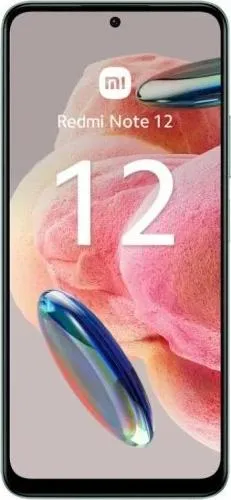
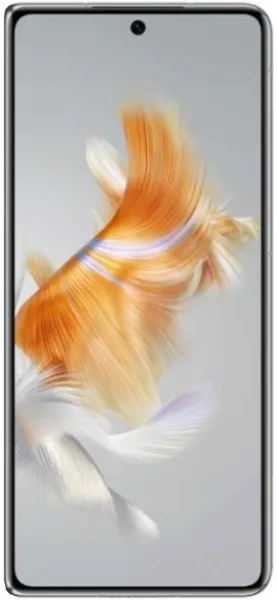
| Feature | Xiaomi Redmi Note 12 4G | Huawei Mate X3 | Practical Impact |
|---|---|---|---|
| Design | |||
| Dimensions (mm) | 165.7 x 76 x 7.9 | 156.9 x 141.5 x 5.3 (folded) | Mate X3 significantly more compact when folded, but wider unfolded due to its foldable nature. Redmi Note 12 is thinner and lighter overall. |
| Weight (g) | 183.5 | 239 | Redmi Note 12 noticeably lighter for one-handed use. Mate X3's weight is understandable given its complex folding mechanism and larger display. |
| Foldable | No | Yes | Mate X3 offers a larger screen in a pocketable size and unique multitasking capabilities. Redmi Note 12 is a traditional slab phone. |
| Display | |||
| Size (inches) | 6.67 | 7.85 (unfolded), ~6.4" (folded outer) | Mate X3 provides a significantly larger main display for immersive content consumption. Redmi Note 12's size is still ample for most tasks. |
| Resolution (px) | 1080 x 2400 | 2224 x 2496 (unfolded), 1080 x 2504 (folded outer) | Mate X3 boasts a sharper display, especially noticeable when unfolded. Both offer good pixel density for clear visuals. |
| Refresh Rate (Hz) | 120 | 120 | Both offer smooth scrolling and animations thanks to the high refresh rate. |
| Display Type | AMOLED | OLED | Both offer vibrant colors and deep blacks. The specific OLED technologies might offer subtle differences in color accuracy and power efficiency, but we lack data for in-depth comparison (e.g., color depth missing for Redmi Note 12). |
| Performance | |||
| Chipset | Snapdragon 685 (6nm) | Snapdragon 8+ Gen 1 4G (4nm) | Mate X3 offers significantly faster processing power and graphics performance for demanding tasks and gaming. Redmi Note 12 is sufficient for everyday use but may struggle with intensive applications. |
| CPU | Octa-core (4x2.8 GHz Cortex-A73 & 4x1.9 GHz Cortex-A53) | Octa-core (1x3.19 GHz Cortex-X2 & 3x2.75 GHz Cortex-A710 & 4x2.0 GHz Cortex-A510) | Mate X3 has a more powerful and modern CPU architecture, resulting in superior performance. |
| GPU | Adreno 610 | Adreno 730 | Mate X3's GPU provides a significant advantage in gaming and graphics-intensive tasks. |
| RAM | 4GB (tested variant) | 8GB/12GB | Mate X3 offers more RAM for smoother multitasking and improved performance with demanding applications. |
| Camera | |||
| Main Camera (MP) | 50 | 50 | Both have comparable megapixel counts for the main camera. Image quality will depend on sensor size, processing, and other factors. |
| Video Recording | 1080p@30fps | Up to 4K@60fps with EIS | Mate X3 offers superior video recording capabilities with higher resolution and frame rates, along with Electronic Image Stabilization (EIS) for smoother footage. |
| Camera Features | Triple camera | Leica-branded triple camera with 5x Optical Zoom | Mate X3 offers more advanced camera features, including optical zoom and Leica lens collaboration, potentially resulting in better image quality and versatility. |
| Battery | |||
| Capacity (mAh) | 5000 | 4800 | Redmi Note 12 has a slightly larger battery capacity. However, real-world battery life depends on usage patterns and power efficiency of each device. |
| Fast Charging | 33W | 66W | Mate X3 offers significantly faster charging. |
| Wireless Charging | No | 50W | Mate X3 supports fast wireless charging, a feature absent in the Redmi Note 12. |
2. Key Differences Analysis
Xiaomi Redmi Note 12 4G Advantages:
- Lower Price: Significantly more affordable.
- Lighter and Thinner: More comfortable for extended use and one-handed operation.
- Larger Battery: Potentially longer battery life for basic usage.
Huawei Mate X3 Advantages:
- Foldable Design: Offers a large screen in a compact form factor and enables unique multitasking scenarios.
- Significantly Faster Performance: Superior CPU and GPU for demanding tasks and gaming.
- Superior Camera System: Leica lenses, optical zoom, and better video recording capabilities.
- Faster Charging & Wireless Charging: More convenient and time-saving.
3. User Profiles & Recommendations
Xiaomi Redmi Note 12 4G:
- Budget-conscious users: Prioritize affordability over top-tier specs.
- Casual users: Primarily use their phone for basic tasks like calling, texting, social media, and light web browsing.
Huawei Mate X3:
- Power users: Demand top-tier performance for gaming, multitasking, and demanding applications.
- Content creators: Benefit from the large, high-quality display and advanced camera system.
- Early adopters: Value the innovative foldable design and unique user experience.
4. Decision Framework
Key Questions for Buyers:
- What is your budget? The Redmi Note 12 is a budget-friendly option, while the Mate X3 is a premium device.
- What are your primary use cases? Consider whether you need the extra performance, camera capabilities, and foldable design of the Mate X3, or if the basic functionalities of the Redmi Note 12 suffice.
- Do you value portability and screen size? The Mate X3 offers a large screen in a compact folded size, while the Redmi Note 12 provides a more traditional smartphone experience.
My Choice: Huawei Mate X3
While the Redmi Note 12 offers excellent value for its price, I would choose the Huawei Mate X3. The foldable form factor is a game-changer for me, offering a truly pocketable device with a tablet-sized screen when needed. The significantly superior performance, advanced camera system with Leica lenses and optical zoom, and faster charging (including wireless) justify the higher price for my needs. I prioritize productivity and enjoy having the latest technology, and the Mate X3 delivers on both fronts. I acknowledge the lack of Google services might be a dealbreaker for some, but assuming this is not a concern (as it's not mentioned in the prompt), the Mate X3 is the clear winner for me.
