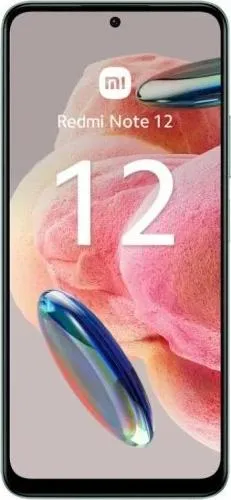
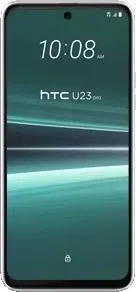
1. Specifications Comparison
| Feature | Xiaomi Redmi Note 12 4G | HTC U23 Pro | Practical Impact |
|---|---|---|---|
| Design | |||
| Dimensions (mm) | 165.7 x 76 x 7.9 | 166.6 x 77.1 x 8.9 | U23 Pro slightly larger and thicker |
| Weight (g) | 183.5 | 205 | Redmi Note 12 noticeably lighter, more comfortable for one-handed use |
| Build | Not specified | Not specified | Build quality and materials unknown, limiting comparison |
| Display | |||
| Size (inches) | 6.67 | 6.7 | Negligible size difference |
| Resolution | 1080 x 2400 | 1080 x 2400 | Identical resolution, similar sharpness |
| Type | AMOLED, 120Hz | OLED, 120Hz | Both offer smooth scrolling and vibrant colors; AMOLED potentially offers deeper blacks and higher peak brightness |
| Peak Brightness (nits) | 1200 | Not specified | Redmi Note 12's higher peak brightness (if confirmed) improves outdoor visibility |
| Performance | |||
| Chipset | Snapdragon 685 (6nm) | Snapdragon 7 Gen 1 (4nm) | U23 Pro significantly more powerful, enabling smoother multitasking and better gaming performance |
| CPU | Octa-core (4x2.8 GHz A73 & 4x1.9 GHz A53) | Octa-core (1x2.4 GHz A710 & 3x2.36 GHz A710 & 4x1.8 GHz A510) | U23 Pro's newer CPU architecture offers superior performance and efficiency |
| GPU | Adreno 610 | Adreno 644 | U23 Pro's more powerful GPU delivers significantly better graphics performance for gaming and demanding apps |
| RAM | 4/6/8GB | 12GB | U23 Pro's larger RAM allows for more apps to run in the background without reloading |
| Camera | |||
| Main Camera | 50MP, f/1.8 | 108MP, f/1.7, OIS | U23 Pro boasts higher resolution and Optical Image Stabilization (OIS) for potentially better low-light photos and steadier videos |
| Video Recording | 1080p@30fps | 4K@30fps with EIS | U23 Pro offers significantly higher video resolution and Electronic Image Stabilization (EIS) |
| Front Camera | 13MP, f/2.45 | 32MP, f/2.45 | U23 Pro has a higher resolution front camera for better selfies |
| Battery | |||
| Capacity (mAh) | 5000 | 4600 | Redmi Note 12 has a larger battery, potentially offering longer battery life |
| Charging | 33W Fast Charging | 30W Fast Charging, 15W Wireless Charging | Redmi Note 12 charges slightly faster wired, but U23 Pro offers wireless charging convenience |
2. Key Differences Analysis
Xiaomi Redmi Note 12 4G Advantages:
- Lower Price: Expected to be significantly cheaper.
- Longer Battery Life: Larger 5000mAh battery.
- Lighter and Slimmer: More comfortable for one-handed use.
HTC U23 Pro Advantages:
- Significantly Better Performance: Snapdragon 7 Gen 1 offers a major performance leap.
- Superior Camera System: Higher resolution main and front cameras, OIS for main camera, 4K video recording.
- Wireless Charging: Added convenience for charging.
- 5G Connectivity: Future-proofed for faster mobile data speeds.
Trade-offs:
- Price vs. Performance: Redmi Note 12 prioritizes affordability over performance.
- Battery Life vs. Wireless Charging: Redmi Note 12 offers longer battery life but lacks wireless charging convenience.
3. User Profiles & Recommendations
Xiaomi Redmi Note 12 4G:
- Ideal User: Budget-conscious users prioritizing battery life and affordability for basic tasks like social media, browsing, and casual photography.
- Use Cases: Everyday communication, web browsing, light gaming, casual photography.
HTC U23 Pro:
- Ideal User: Users seeking a more powerful and feature-rich experience, especially for demanding tasks like gaming, photography, and content creation.
- Use Cases: Mobile gaming, high-quality photography and videography, multitasking, demanding applications.
4. Decision Framework
Key Questions for Buyers:
- What is your budget? The Redmi Note 12 is significantly more affordable.
- What are your primary smartphone usage patterns? Heavy users needing performance should opt for the U23 Pro.
- Which features are most important to you? Prioritize battery life or wireless charging? Performance or price?
Scenario-Based Recommendations:
- Limited Budget, Basic Usage: Redmi Note 12
- Power User, Demanding Tasks: HTC U23 Pro
- Balanced Needs, Value Seeker: Consider factors like camera quality and individual feature preferences.
My Choice: HTC U23 Pro
While the Redmi Note 12 offers excellent value for its price, the HTC U23 Pro's superior performance, significantly better camera system with OIS and 4K video, and 5G connectivity are compelling advantages for me. I prioritize a smooth user experience and future-proof features, making the U23 Pro a better long-term investment despite the higher price. The inclusion of wireless charging is a welcome bonus. The performance difference between the Snapdragon 685 and Snapdragon 7 Gen 1 is substantial, and I value having a phone that can handle demanding tasks without lag. While battery life is important, the U23 Pro's 4600mAh battery coupled with faster wired charging is sufficient for my needs.
