1. Specifications Comparison
| Feature | Category | Xiaomi Redmi Note 12 4G | Honor X8b | Practical Impact |
|---|---|---|---|---|
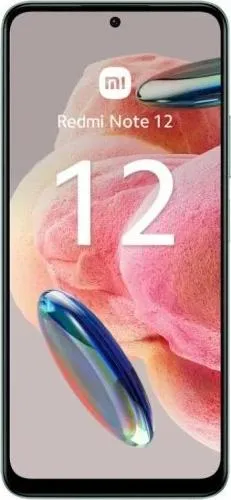
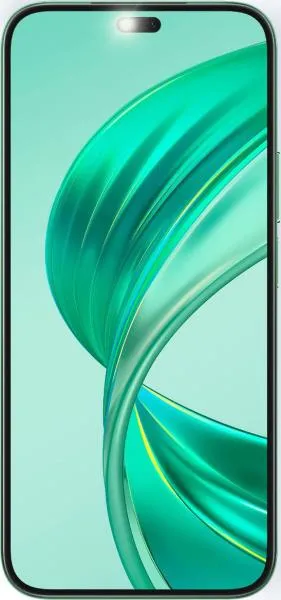
| Dimensions | Design | 165.7 x 76 x 7.9 mm, 183.5g | 161.1 x 74.6 x 6.8 mm, 166g | The Honor X8b is noticeably smaller and lighter, making it more pocketable and comfortable for one-handed use. |
| Display | Display | 6.67" AMOLED, 120Hz, 1200 nits (peak) | 6.7" AMOLED, 90Hz, 2000 nits (peak) | Both offer vibrant AMOLED displays. The Redmi Note 12's 120Hz offers smoother scrolling and animations, while the Honor X8b's 2000 nits peak brightness ensures better visibility in direct sunlight. |
| Resolution | Display | 1080 x 2400 px, 395 ppi | 1080 x 2412 px, 394 ppi | Virtually identical resolutions and pixel densities, resulting in sharp visuals on both devices. |
| Chipset | Performance | Snapdragon 685 (6nm) | Snapdragon 680 4G (6nm) | Marginally different chipsets but both target efficiency over raw performance; day-to-day usage should feel similar. |
| CPU | Performance | Octa-core (4x2.8 GHz Cortex-A73 & 4x1.9 GHz Cortex-A53) | Octa-core (4x2.4 GHz Kryo 265 Gold & 4x1.9 GHz Kryo 265 Silver) | Similar CPU configurations, likely resulting in comparable performance for everyday tasks. |
| GPU | Performance | Adreno 610 | Adreno 610 | Identical GPUs; gaming performance should be very similar. |
| RAM | Performance | 4GB/6GB/8GB | 6GB/8GB | More RAM options on the Redmi Note 12. 8GB is beneficial for multitasking and demanding applications. We don't know the base RAM configuration for the X8b, limiting comparison at the low end. |
| Storage | Performance | 64GB/128GB/256GB | 128GB/256GB/512GB | The Honor X8b offers a higher maximum storage option (512GB) for users needing ample space for media and files. The lack of 64GB option on the X8b might be limiting for budget-conscious users. |
| Main Camera | Camera | 50MP, f/1.8 | 108MP, f/1.75 | The Honor X8b boasts a higher resolution main camera sensor, potentially capturing more detail. However, megapixel count isn't everything; image processing and sensor quality are crucial. |
| Video Recording | Camera | 1080p@30fps | 1080p@30fps | Identical video recording capabilities. Neither offers 4K recording, a notable limitation in today's market. |
| Battery | Battery | 5000mAh, 33W Fast Charging | 4500mAh, 35W Fast Charging | The Redmi Note 12 has a larger battery capacity, potentially offering longer usage time. The Honor X8b has slightly faster charging. |
| NFC | Connectivity | Yes | No | The Redmi Note 12 supports NFC for contactless payments and other functionalities, a significant advantage for some users. |
2. Key Differences Analysis
Redmi Note 12 Advantages:
- Higher Refresh Rate Display: Smoother scrolling and animations.
- Larger Battery: Potentially longer battery life.
- NFC: Enables contactless payments.
- More RAM and Storage Configurations: Caters to a wider range of budgets and needs.
- Lower Starting Price: More accessible for budget-conscious buyers.
Honor X8b Advantages:
- Brighter Display: Better visibility in sunlight.
- Higher Resolution Main Camera: Potentially more detailed photos.
- Slightly Faster Charging: Quicker top-ups.
- Larger Maximum Storage: 512GB option for users needing ample space.
3. User Profiles & Recommendations
Redmi Note 12: Suitable for users prioritizing a smooth display, long battery life, NFC functionality, and affordability. Ideal for everyday tasks, media consumption, and light gaming.
Honor X8b: Suitable for users who value a bright display, potentially better camera performance, and ample storage. Ideal for social media, photography enthusiasts (considering the 108MP sensor needs further review), and users needing lots of storage.
4. Decision Framework
Key Questions for Buyers:
- Is NFC a must-have? If yes, the Redmi Note 12 is the only option.
- What's your budget? The Redmi Note 12 generally offers better value in lower price brackets.
- Which display characteristic matters more: smoothness or brightness? 120Hz vs. 2000 nits peak brightness.
My Choice: Xiaomi Redmi Note 12 4G
While the Honor X8b has a brighter display and potentially better main camera, the Redmi Note 12 4G offers a more well-rounded package for my needs. The 120Hz refresh rate significantly enhances the user experience, and the larger battery provides peace of mind. NFC is crucial for me, making the Redmi Note 12 the clear winner. Additionally, the wider range of RAM and storage options, coupled with the lower starting price, makes it a more versatile and accessible device. The lack of concrete information on the X8b's sensor model and overall camera performance makes the 108MP less compelling. I prefer a guaranteed smooth experience and essential features like NFC over a potentially better camera with unknown real-world performance.
