1. Specifications Comparison
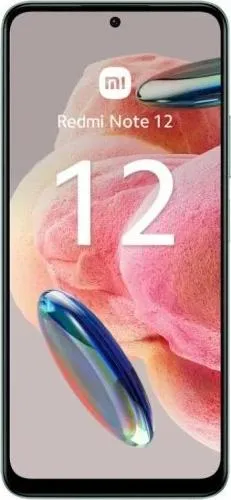
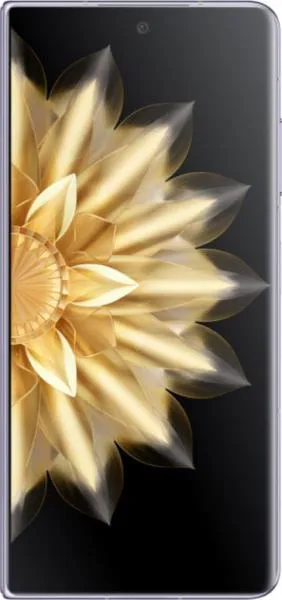
| Feature | Xiaomi Redmi Note 12 4G | Honor Magic V3 | Practical Impact |
|---|---|---|---|
| Design | |||
| Dimensions (mm) | 165.7 x 76 x 7.9 | 156.6 x 145.3 x 4.35 (Folded) | Magic V3 significantly more compact when folded, but larger unfolded. Pocketability vs. screen real estate trade-off. |
| Weight (g) | 183.5 | 226 | Magic V3 noticeably heavier due to folding mechanism and larger display. |
| Foldable | No | Yes | Magic V3 offers a larger, tablet-like experience when unfolded, and greater portability when folded. |
| Display | |||
| Display Size (inches) | 6.67 | 7.92 (Unfolded), ~6.43 (Folded - external) | Redmi Note 12: Large screen for media consumption. Magic V3: Massive unfolded screen for productivity and immersive content; external screen for quick tasks. |
| Resolution (px) | 1080 x 2400 | 2156 x 2344 (Unfolded), 1060 x 2376 (Folded - external) | Both offer sharp displays. Magic V3 boasts higher resolution on both screens for crisper visuals. |
| Display Type | AMOLED, 120Hz | Foldable LTPO AMOLED, 120Hz | Both have smooth, vibrant displays. LTPO on Magic V3 allows for dynamic refresh rate adjustment, potentially saving battery. |
| Peak Brightness (nits) | 1200 | 1800 | Magic V3 significantly brighter, improving outdoor visibility. |
| HDR | No Dolby Vision | HDR10+, Dolby Vision | Magic V3 supports wider HDR formats for superior dynamic range in compatible content. |
| Performance | |||
| Chipset | Snapdragon 685 (6nm) | Snapdragon 8 Gen 3 (4nm) | Magic V3 vastly more powerful, enabling demanding gaming, multitasking, and faster app loading. |
| CPU | Octa-core (4x2.8 GHz A73 & 4x1.9 GHz A53) | Octa-core (1x3.3 GHz X4 & 3x3.2 GHz A720 & 2x3.0 GHz A720 & 2x2.3 GHz A520) | Significant performance difference. Magic V3's latest generation CPU offers superior speed and efficiency. |
| GPU | Adreno 610 | Adreno 750 | Magic V3's GPU delivers a substantial leap in graphics performance for demanding games and applications. |
| RAM | 4/6/8GB | 12/16GB | Magic V3 has significantly more RAM, allowing for seamless multitasking and smoother performance with numerous apps open. |
| Camera | |||
| Main Camera (MP) | 50 | 50 | Comparable resolution, but sensor and lens specifications differ. |
| Video Recording | 1080p@30fps | Up to 4K@60fps with OIS/EIS | Magic V3 offers significantly better video recording capabilities with higher resolution, frame rate, and stabilization. |
| DxOMark Score | 63 | 137 | Magic V3 boasts a much higher DxOMark score, indicating superior overall camera quality. |
| Battery | |||
| Capacity (mAh) | 5000 | 5150 | Similar battery capacities. |
| Fast Charging (W) | 33 | 66 | Magic V3 charges significantly faster. |
2. Key Differences Analysis
Redmi Note 12 4G Advantages:
- Affordability: Significantly cheaper.
- Lighter and Thinner: Easier to handle and carry for extended periods.
Magic V3 Advantages:
- Significantly More Powerful: Superior performance for demanding tasks and gaming.
- Foldable Design: Offers versatility between a phone and a mini-tablet.
- Superior Display: Brighter, higher resolution, supports HDR10+ and Dolby Vision.
- Much Better Camera System: Higher quality photos and videos, especially in challenging conditions.
- Faster Charging: Significantly reduces downtime.
3. User Profiles & Recommendations
Redmi Note 12 4G: Budget-conscious users who prioritize basic smartphone functionality, casual media consumption, and affordability.
Magic V3: Power users, content creators, and those who value cutting-edge technology, multitasking capabilities, a large and immersive display, and top-tier camera performance. Foldable design appeals to users seeking device versatility.
4. Decision Framework
Key Questions:
- What is your budget? The Redmi Note 12 4G is significantly more affordable.
- What are your primary use cases? Casual use vs. demanding tasks/gaming/content creation.
- How important is portability and form factor? The slim Redmi Note 12 4G vs. the foldable Magic V3.
My Choice: Honor Magic V3
While significantly more expensive, the Honor Magic V3 offers a compelling package that justifies the premium. The foldable design, combined with the blazing-fast performance, stunning display, and excellent camera system, provides a substantial upgrade in user experience. The Snapdragon 8 Gen 3 chip future-proofs the device for years to come. While the Redmi Note 12 4G is a solid budget option, the Magic V3's advancements in key areas make it a clear winner for me, as I prioritize performance, future-proofing, and a cutting-edge mobile experience. The ability to have a tablet-like experience in a pocketable device is a game-changer for productivity and entertainment on the go.
